
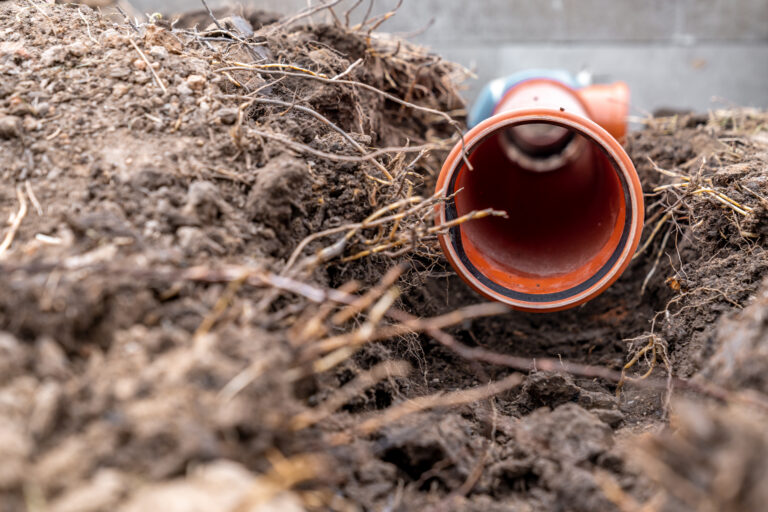
Tree roots in a sewer line are one of the most common and destructive plumbing problems homeowners face, especially in older neighborhoods with mature landscaping. Roots naturally seek out moisture and nutrients, and your sewer pipe is a perfect target — even a hairline crack is enough for them to get in and grow.
Key Takeaways
- Tree roots can infiltrate sewer lines through tiny cracks and joints, causing slow drains, gurgling sounds, and full blockages.
- Early detection using a sewer camera inspection can save you thousands of dollars in emergency repairs.
- Hydro jetting is one of the most effective methods to clear root intrusion without excavating your yard.
- Trenchless sewer repair is often the best option for severely damaged pipes, since it avoids tearing up landscaping or driveways.
- Older clay or cast iron pipes are especially vulnerable to root intrusion compared to modern PVC.
- Acting quickly at the first sign of a problem limits the damage and keeps repair costs manageable.
Why Tree Roots Target Sewer Lines in the First Place
Understanding the problem starts with biology. Tree roots grow toward warmth, water, and nutrients — all three of which sewer pipes provide in abundance. According to the U.S. Environmental Protection Agency, aging sewer infrastructure is a widespread issue across American cities, and root intrusion is one of the top contributors to sewer system failures.
Roots don’t need a large opening to enter. They can squeeze through joints where pipe sections meet, through small cracks caused by ground shifting, or through corrosion points in older pipes. Once inside, they expand as they grow, eventually cracking the pipe further or creating a dense root mass that blocks flow entirely.
Cutting roots out of a line removes the immediate blockage but leaves the root mass at the joint. High pressure jetting clears the full diameter of the pipe and washes the debris out, which buys you considerably more time before it returns.
In Los Angeles specifically, properties with large trees like ficuses, willows, poplars, and magnolias are at particularly high risk, and specialists understand these regional challenges well. These species are known for aggressive, wide-spreading root systems. Even decorative landscaping can cause serious underground damage over time.
Warning Signs You Have Tree Roots in Your Sewer Line
The earlier you catch this problem, the cheaper it is to fix. Here are the most reliable warning signs to watch for:
- Slow-draining sinks, tubs, or toilets that don’t respond to standard drain cleaners
- Gurgling sounds coming from toilets or drains after water runs
- Sewage odors in your yard or near floor drains
- Wet or unusually green patches in your lawn above the sewer line path
- Recurring clogs that come back within weeks of being cleared
- Sewage backup in lower-level drains or basement fixtures
If you notice two or more of these at the same time, the problem is likely past the early stage. A sewer camera inspection cost is a smart first investment — it gives you a clear picture of what’s inside the pipe before you spend money on any repairs. According to HomeAdvisor, sewer camera inspections in the U.S. typically run between $125 and $500 depending on pipe length and access.
How Tree Root Removal Actually Works
There are several methods for dealing with root intrusion, and the right one depends on how far the problem has progressed.
Mechanical Cutting (Rooter Service)
A rotating cutting head is fed into the pipe to physically cut and remove the root mass. This is effective for clearing a blockage quickly but doesn’t seal the pipe entry points, so roots tend to grow back within one to two years.
Hydro Jetting
High-pressure water, typically between 3,000 and 4,000 PSI, is blasted through the pipe to flush out roots, grease, and debris simultaneously. Hydro jetting los angeles services are widely available and are considered one of the most thorough non-invasive cleaning methods. The National Association of Sewer Service Companies (NASSCO) recommends hydro jetting as a standard maintenance tool for both residential and commercial systems.
Chemical Root Treatments
Copper sulfate and foaming herbicide products like RootX can slow root regrowth after mechanical removal. These are best used as a preventive measure, not a primary fix.
Pipe Lining and Trenchless Repair
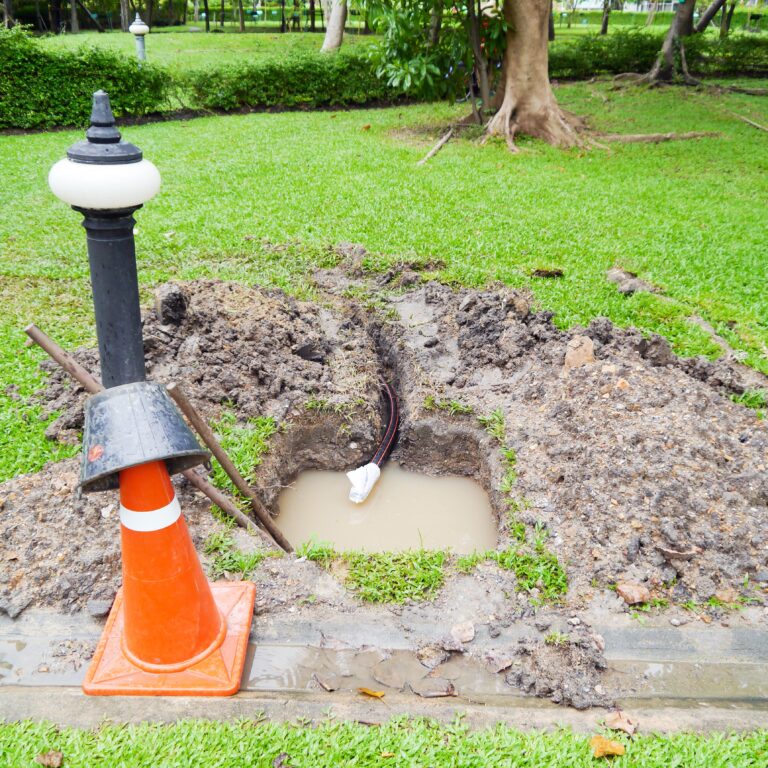
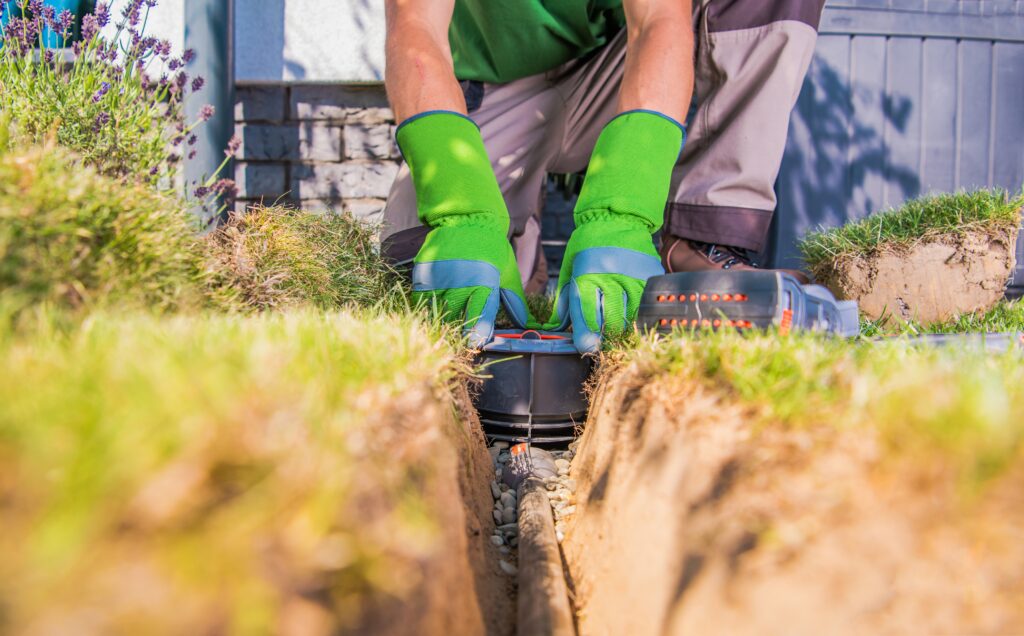
When roots have caused significant structural damage, lining or replacement becomes necessary. Trenchless sewer repair los angeles uses cured-in-place pipe (CIPP) lining or pipe bursting to restore the line without major excavation. This approach saves your landscaping, driveway, and most of your yard from being torn up.
Cost Breakdown: Tree Root Removal and Repair Options
| Method | Typical Cost (U.S.) | Best For | Longevity |
|---|---|---|---|
| Mechanical Rooter | $150 – $500 | Minor to moderate blockages | 1-2 years before regrowth |
| Hydro Jetting | $300 – $600 | Heavy buildup and root debris | 2-5 years with maintenance |
| Chemical Treatment | $50 – $150 | Preventive use post-clearing | Ongoing as needed |
| Pipe Relining (CIPP) | $80 – $250 per foot | Cracked/damaged pipe sections | 50+ years |
| Full Pipe Replacement | $3,000 – $25,000+ | Severely collapsed pipe | Permanent |
These figures align with data from Angi’s cost research on sewer line repair costs across U.S. markets.
Things to Know
- Most standard homeowners insurance policies do not cover sewer line damage caused by tree roots. You may need a separate sewer line rider.
- Clay and cast iron pipes, common in homes built before 1980, are far more vulnerable to root intrusion than modern PVC pipes.
- A drain cleaning service los angeles can serve as both a fix and an early-detection step when paired with video inspection.
- Root intrusion doesn’t always cause immediate backups — it can slowly restrict flow for years before you notice a problem.
- Removing the tree doesn’t kill existing roots inside the pipe. The underground roots can persist and continue growing even after the tree is cut down.
When to Call a Professional Instead of Trying DIY Fixes
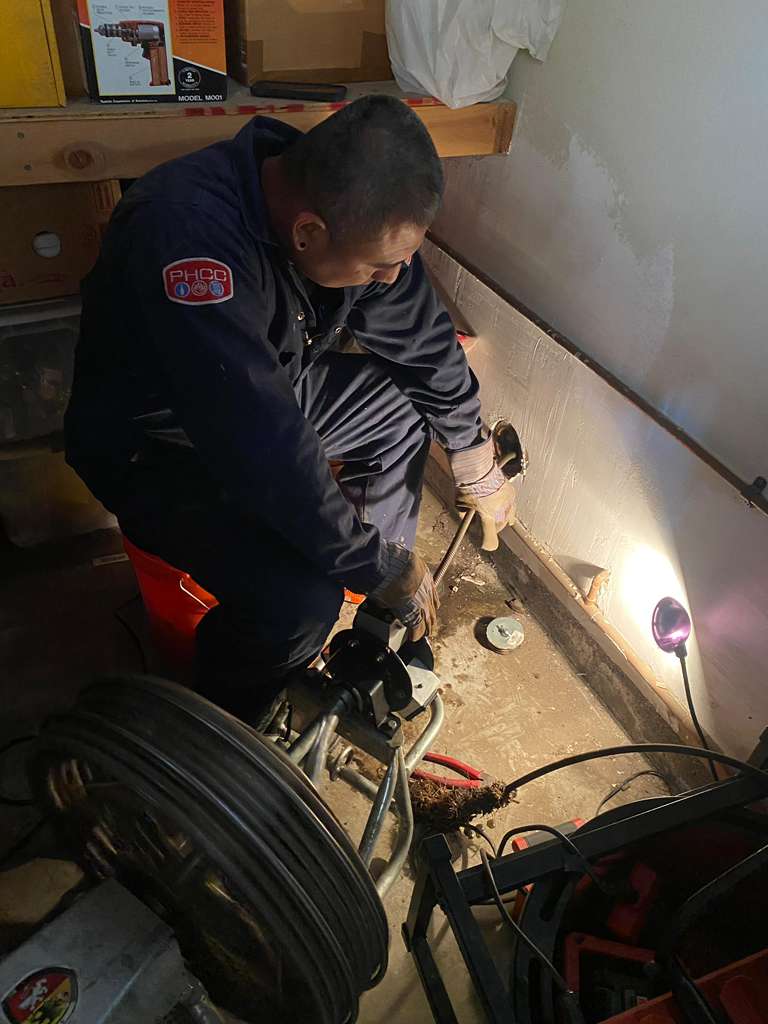
Store-bought drain cleaners and consumer-grade snake tools are no match for established root intrusion. If your drains are slow, the clog keeps returning, or you’re smelling sewage outside, you need a licensed plumber with camera equipment and professional-grade tools.
A sewer repair los angeles professional can assess the full extent of the damage, recommend the right repair method, and pull the necessary permits — which matters if you plan to sell the home. According to the California Department of Consumer Affairs, plumbing work beyond basic fixture repairs in California requires a licensed contractor.
For homeowners in the greater Los Angeles area, contacting directly is the best way to reach a local team with the right equipment to handle this type of job.
Book a Sewer Inspection Before Root Damage Gets Worse
Every week you wait on a root intrusion problem, the roots grow a little more — and the repair bill grows with them. Expertise Plumbing & Rooter, located at 8885 Roslyndale Ave, Arleta, CA 91331, is available 24 hours a day to diagnose and resolve sewer line issues across Los Angeles. Call (888) 807-7069 right now to schedule a camera inspection or same-day service visit.
Frequently Asked Questions
Q: How do I know for sure that tree roots are in my sewer line and not just a grease clog?
A camera inspection is the only reliable way to distinguish tree root intrusion from other types of blockages. Grease clogs typically respond to hot water and enzymatic cleaners, while root blockages do not. A sewer camera sends live video footage down the pipe so a plumber can see exactly what’s causing the problem before any work begins.
Q: How fast do tree roots grow back after being cut out of a sewer line?
Roots can regrow inside a sewer pipe within 12 to 24 months after mechanical cutting if the entry point isn’t sealed. The growth rate depends on the tree species, soil moisture, and whether any chemical root inhibitor was applied after clearing. Pipe relining is the most effective way to prevent regrowth permanently.
Q: Does homeowners insurance cover tree root damage to sewer lines?
Standard homeowners insurance policies typically exclude gradual damage like tree root intrusion. Some insurers offer optional sewer line coverage as an add-on rider, usually costing between $40 and $80 per year. It’s worth reviewing your current policy or calling your insurer before a problem occurs.
Q: Can I use copper sulfate to kill tree roots in my sewer line myself?
Copper sulfate can slow root growth but is not strong enough to clear an existing blockage and carries environmental risks. The EPA cautions against overuse of copper-based pesticides near water sources. Professional treatment with foaming herbicides is more targeted and generally more effective when applied after a proper cleaning.
If you have a specific commercial plumbing need not listed here, please call us to discuss your requirements.
Q: Is trenchless repair really better than traditional pipe replacement?
For most residential situations, trenchless repair is faster, less disruptive, and comparably priced to full excavation. Traditional replacement requires digging a trench the full length of the damaged pipe, which can destroy landscaping, concrete, and driveways. Trenchless methods typically take one to two days versus a full week for conventional excavation.
The Bottom Line on Tree Roots in Sewer Line Damage
Tree roots in a sewer line aren’t a problem that waits patiently. Left unaddressed, root intrusion progresses from a slow drain to a full sewage backup to a collapsed pipe, and the cost difference between each stage is significant. Your best move is to schedule a camera inspection at the first sign of trouble, get a clear diagnosis, and choose a repair method that addresses both the blockage and the underlying pipe damage.
If you’re in the Los Angeles area and dealing with persistent drain issues, contact Expertise Plumbing & Rooter at (888) 807-7069. Their team is available around the clock and equipped to handle everything from minor root clearing to full sewer line restoration.