
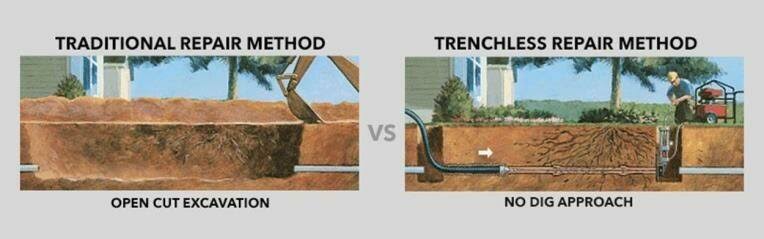
Trenchless sewer repair typically costs between $80 and $250 per foot, with most homeowners spending $3,000 to $15,000 for a complete job depending on method, pipe length, and local labor rates. Compared to traditional open-cut excavation, it preserves your yard, driveway, and landscaping while delivering a long-lasting fix.
Key Takeaways
- Trenchless repair costs $80-$250 per foot on average, totaling $3,000-$15,000 for most residential jobs.
- Two primary methods exist: pipe lining (CIPP) and pipe bursting, each with different price points.
- Pipe diameter, depth, accessibility, and local labor rates all significantly affect your final bill.
- A camera inspection ($150-$300) should always precede any trenchless work to confirm the pipe condition.
- Trenchless methods typically cost more upfront than traditional digging but save thousands in landscaping and restoration costs.
- Always get at least three quotes and verify the contractor’s licensing before signing any agreement.
Why Trenchless Sewer Repair Costs More Than You Might Expect
Many homeowners assume “no digging” means “lower bill.” That’s not always the case. The equipment required for trenchless work, including hydraulic pipe bursting heads, cured-in-place pipe (CIPP) lining rigs, and video inspection cameras, represents a significant capital investment for plumbing contractors. Those costs get passed to you.
That said, what you save on the back end often justifies the upfront price. Traditional sewer replacement can tack on $1,000 to $5,000 in landscaping restoration, concrete cutting, and driveway repair. When you factor in those hidden costs, trenchless repair frequently comes out ahead financially.
The Environmental Protection Agency’s guidelines on infrastructure rehabilitation also recognize trenchless sewer repair los angeles methods as preferred approaches for minimizing surface disruption, which speaks to why municipalities and homeowners alike are adopting them more widely.
The Two Main Methods and What Each One Costs
Pipe Lining (CIPP)
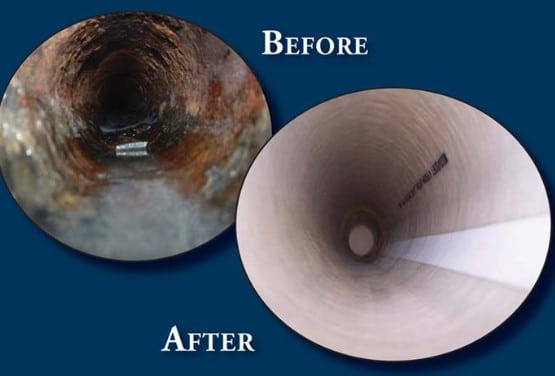
Cured-in-place pipe lining involves inserting a resin-saturated liner into the damaged pipe and then curing it with heat or UV light until it hardens into a new pipe within the old one. This method works well when the existing pipe is cracked or corroded but still structurally present.
Average cost: $80-$175 per linear foot
A standard 50-foot residential sewer line repaired with CIPP typically runs $4,000 to $8,750. The National Association of Sewer Service Companies (NASSCO) sets quality standards for CIPP installation that reputable contractors follow.
Pipe Bursting
Pipe bursting replaces the old pipe entirely by pulling a bursting head through it, fracturing the existing pipe outward while simultaneously pulling a new pipe into position behind it. This method is better suited to pipes that have collapsed or are severely deteriorated.
Average cost: $100-$250 per linear foot
A 50-foot line using pipe bursting could cost $5,000 to $12,500. It’s slightly more expensive because it installs entirely new pipe material rather than lining the old one.
Side-by-Side Cost Comparison
| Method | Cost Per Foot | Best For | Typical Total (50 ft) |
|---|---|---|---|
| CIPP Pipe Lining | $80-$175 | Cracked, corroded pipes | $4,000-$8,750 |
| Pipe Bursting | $100-$250 | Collapsed or failed pipes | $5,000-$12,500 |
| Traditional Excavation | $50-$200 (+ restoration) | Severe access issues | $3,000-$20,000+ |
| Spot Repair (trenchless) | $500-$3,000 flat | Small isolated damage | $500-$3,000 |
Key Factors That Push Your Quote Up or Down
Understanding what drives pricing helps you evaluate bids and spot inflated estimates before you commit.
- Pipe diameter: Larger pipes require more materials and more powerful equipment. A 6-inch pipe costs notably more per foot than a standard 4-inch residential line.
- Pipe depth: Deeper lines are harder to access even with trenchless methods, increasing labor time and cost.
- Total pipe length: Longer runs cost more in materials but sometimes come with a lower per-foot rate due to efficiency.
- Root intrusion severity: Heavy root infiltration may require hydro jetting ($300-$600) before lining can begin.
- Soil conditions: Rocky soil or clay can complicate the process and raise costs.
- Permits: Most jurisdictions require permits for sewer work. Permit fees range from $100 to $500 depending on your city.
If you’ve recently dealt with events in which you experienced plumbing problems after water main break, pre-existing pipe stress may mean your sewer line needs more extensive repair than a basic inspection initially reveals.
Getting an Accurate Quote: What to Ask Every Contractor
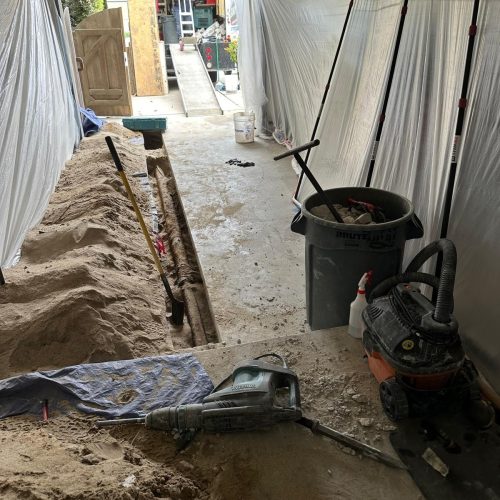
Quotes for the same job can vary by $2,000 or more between contractors. To compare apples to apples, ask each company these questions before signing anything:
- Is the camera inspection included in your quote?
- Which method are you recommending, and why?
- Does this price include permits and cleanup?
- What warranty do you offer on the liner or new pipe?
- Are you licensed and insured in California?
The California Contractors State License Board maintains a public database where you can verify any contractor’s license status in minutes. Never skip this step.
If you’re in the greater Los Angeles area, Expertise Plumbing & Rooter offers professional solutions, with the best plumber glendale ca having transparent pricing, licensed technicians, and 24-hour availability. Reach them at (888) 807-7069 or visit their location at 8885 Roslyndale Ave, Arleta, CA 91331.
Homeowners on the west side of the Valley looking for a reliable local option can find help through the best plumber woodland hills ca resource when evaluating contractors for sewer work. Similarly, those in Glendale can check out the listings for vetted professionals with strong service records in their area.
Things to Know
- Trenchless repair is not always possible. Pipes with certain types of joint separations or extreme bends may still require partial excavation regardless of what a sales pitch implies.
- Most CIPP liners carry a 10-50 year warranty, but the actual lifespan depends heavily on proper installation technique.
- According to research published by the Water Research Foundation, trenchless rehabilitation methods reduce surface disruption costs by an average of 30-50% compared to open-cut methods.
- Some homeowners insurance policies cover sewer line damage, so check your policy before paying out of pocket.
- Hydro jetting is a separate service and often billed on top of the main trenchless repair quote, not included in it.

Ready to Schedule Your Trenchless Sewer Inspection?
The single most useful action you can take right now is scheduling a video camera inspection before any damage worsens. This $150-$300 upfront cost gives you documented proof of pipe condition, eliminates guesswork, and puts you in a much stronger position when comparing contractor bids. Contact Expertise Plumbing & Rooter directly at (888) 807-7069—they’re open 24 hours and serve the greater Los Angeles area, and you can learn more by visiting the about us page on their website.
Frequently Asked Questions
Q: Does homeowners insurance cover trenchless sewer repair costs?
Standard homeowners insurance typically does not cover sewer line repairs unless you have a specific sewer line endorsement or rider.
Coverage depends on your policy and the cause of the damage. Some insurers offer optional sewer backup riders for $40-$100 per year that can offset repair bills significantly, so it’s worth reviewing your policy with your agent before assuming you’re on your own.
Q: How long does trenchless sewer repair take to complete?
Most trenchless sewer repair jobs are completed within one to two days, compared to several days or weeks for traditional excavation.
CIPP lining typically takes four to eight hours for a standard residential run. Pipe bursting can take a full day depending on pipe length and crew size.
Q: How do I know if I need pipe lining or pipe bursting?
A video camera inspection is the only reliable way to determine which method is appropriate for your specific pipe condition.
CIPP lining works best when the pipe walls are still structurally present, while pipe bursting is needed when the pipe has collapsed or fractured beyond the point where a liner can seal it.
Q: What is the average trenchless sewer repair cost per foot in California?
In California, average trenchless sewer repair costs per foot typically run 15-25% higher than the national average due to higher labor costs and local permit requirements.
Expect to pay $100-$275 per foot in the Los Angeles metro area. The Bureau of Labor Statistics confirms that California plumbers rank among the highest-paid in the country, which is directly reflected in service pricing.
If you have a specific commercial plumbing need not listed here, please call us to discuss your requirements.
Q: Can trenchless sewer repair increase my home's value?
Yes, a repaired sewer line with documented warranty work can be a meaningful selling point that reassures buyers and may support a higher asking price.
Buyers and their inspectors often request sewer scopes during real estate transactions. A recent trenchless repair with a transferable warranty removes a common deal-breaker and signals the home has been properly maintained.
The Bottom Line on Average Trenchless Sewer Repair Costs
Average trenchless sewer repair costs fall in the $3,000 to $15,000 range for most American homeowners, with the final number shaped by method, pipe condition, length, and local labor rates. The upfront investment is real, but so is the savings on landscape restoration and the peace of mind from a long-warranty solution that doesn’t require tearing apart your yard.
Start with a camera inspection, get three detailed quotes, verify each contractor’s license, and ask specifically whether permits and cleanup are included. Taking those steps puts you in control of the process and helps you avoid the costly surprises that catch unprepared homeowners off guard.