
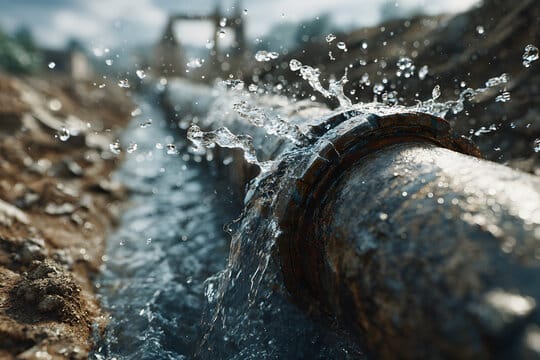
When a water main breaks near your home, the effects on your plumbing system can show up immediately or take days to surface. Plumbing problems after water main break events typically include discolored water, pressure drops, slab leaks, pipe joint failures, and sediment buildup in fixtures, all caused by sudden pressure shifts and debris entering your lines.
Key Takeaways
- A water main break changes water pressure dramatically, which stresses your interior pipes and can cause them to crack or shift.
- Discolored or cloudy water after a main break is a sign of sediment and possible contamination, and you should not drink it until cleared.
- Pressure surges during service restoration are one of the most damaging moments for home plumbing systems.
- Some damage, like slab leaks or joint failures, may not appear until days after the main break.
- Calling a licensed plumber immediately after a water main event in your area is the fastest way to prevent escalating repair costs.
- Homeowners in Los Angeles should be especially alert given the age of the city’s underground infrastructure.
Why a Water Main Break Puts Your Home Plumbing at Risk
A water main break is not just a street-level problem. The pipes inside your home are connected to the municipal supply, and when that supply line experiences a sudden rupture, the pressure inside your entire system fluctuates rapidly. That pressure swing, both the drop during the break and the surge when service is restored, is what causes most of the interior damage homeowners deal with afterward.
According to the American Society of Civil Engineers’ Infrastructure Report Card, the U.S. experiences an estimated 240,000 water main breaks per year, and companies like help homeowners address the aftermath. In older cities like Los Angeles, where much of the underground pipe network dates back several decades, these events are especially common during heat waves, cold snaps, or seismic activity.
When a main breaks, air can enter the distribution system. That air mixes with water and creates turbulence, which dislodges sediment and rust particles inside older pipes. Those particles travel through your supply lines and settle in aerators, water heaters, and valves.
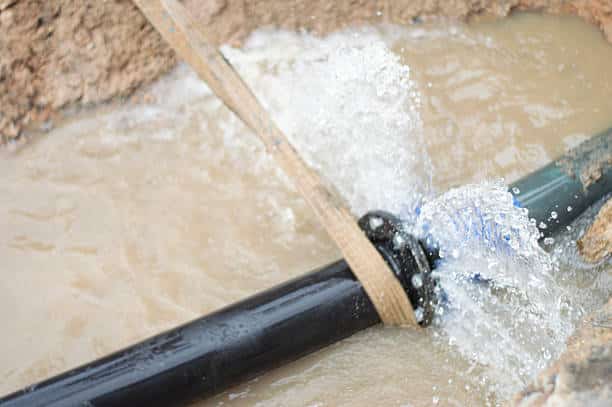
The Most Common Plumbing Problems After a Water Main Break
Once a main break occurs in your neighborhood, watch for these specific issues inside your home:
Discolored or Cloudy Water Brown, yellow, or milky water coming from your taps is the most immediate sign of sediment intrusion. This is especially common in homes with older galvanized pipes, where rust loosens during pressure changes. The CDC drinking water safety resources recommend avoiding tap water for drinking or cooking until your utility provider confirms it is safe.
Low or Inconsistent Water Pressure A drop in pressure is normal during a main break, but if it does not return to normal within 24-48 hours after the main is repaired, you may have a secondary leak or a partially failed valve inside your home system.
Pipe Joint Failures and Slab Leaks This is one of the more serious and costly outcomes. Rapid pressure changes force water against pipe joints and fittings at angles they are not designed to handle under stress. In homes built on concrete foundations, this can result in slab leaks, where pipes running beneath the floor crack or separate. Slab leaks are difficult to detect without professional equipment and can silently cause foundation damage and mold growth. For homes in Los Angeles dealing with this type of damage, water leak repair los angeles from a licensed professional is the appropriate first step.
Fixture and Appliance Damage Sediment carried through the lines can clog or damage washing machines, dishwashers, and water heaters. A water heater that accumulates sediment after a main break will run inefficiently and may fail prematurely.
Backflow and Contamination Risk When main pressure drops sharply, there is a risk of backflow, where non-potable water is drawn backward into your supply lines. If your home does not have a properly installed backflow preventer, contaminated water can enter your indoor plumbing. The EPA’s backflow prevention overview outlines why this is a regulated concern across U.S. municipalities.
How to Assess and Respond Step by Step
Here is a practical sequence to follow after a water main break affects your neighborhood:
- Stop using tap water immediately for drinking, cooking, or brushing teeth until your utility company issues an all-clear.
- Check your water meter for unusual movement while all fixtures are off. If the dial is spinning, you likely have an active leak.
- Flush your lines once the utility confirms the main is repaired. Run cold water from the farthest tap in your home for 3-5 minutes to clear sediment from your supply lines.
- Clean aerators and showerheads by removing and soaking them in vinegar to clear debris.
- Inspect visible pipes under sinks and in the basement or garage for signs of joint separation or moisture.
- Call a licensed plumber if pressure does not normalize, if you see staining on walls or floors, or if water continues to discolor after flushing
Pipe Damage Specific to the Los Angeles Area
Los Angeles has a particularly complex relationship with water infrastructure. The city’s pipe network includes cast iron, clay, and older PVC lines across different neighborhoods, many of which are vulnerable to seismic activity and soil movement. When a main break occurs near a home in Arleta, Van Nuys, or the San Fernando Valley, residents often see cascading plumbing issues because the soil conditions and pipe age amplify the stress.
For situations involving severe underground pipe damage, pipe bursting los angeles is a trenchless repair method that replaces damaged pipes without tearing up landscaping or driveways. It is faster, less disruptive, and often less expensive than traditional excavation.
| Problem | Likely Cause | Urgency Level |
|---|---|---|
| Discolored water | Sediment intrusion | Moderate, flush lines first |
| Low pressure | Leak or valve failure | High, inspect within 24 hrs |
| Slab leak | Pressure-induced joint failure | Critical, call plumber immediately |
| Clogged aerators | Debris in supply lines | Low, clean manually |
| Backflow contamination | Pressure drop, no preventer | Critical, do not use water |
According to research from the Water Research Foundation, pressure transients during main repair restoration are among the leading causes of secondary household pipe failures, and an emergency plumber los angeles can help prevent damage during these critical windows. This is why plumbing issues sometimes surface two to three days after the street-level repair is already complete.
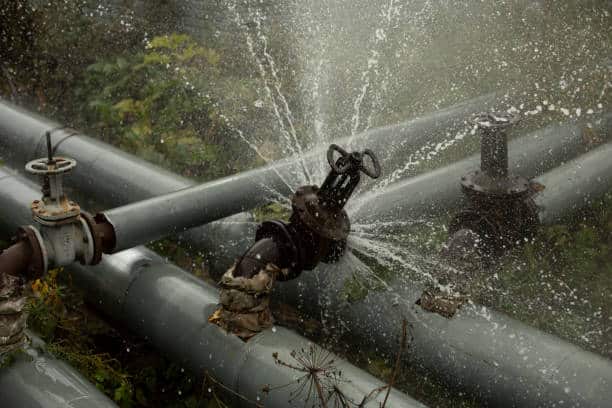
Things to Know
- Not all water main break damage appears immediately. Some slab leaks and joint failures take 48-72 hours to become visible.
- Your homeowner’s insurance may cover interior pipe damage caused by a main break, but coverage varies. Check your policy details before assuming.
- If the main break was caused by the city’s infrastructure, you may be entitled to file a claim with your local municipality for resulting property damage.
- Older homes with galvanized steel pipes face a significantly higher risk of interior damage following pressure events than homes with copper or PEX plumbing.
- Discolored water that persists more than 24 hours after your utility clears the main break is a sign of internal pipe corrosion that needs professional evaluation.
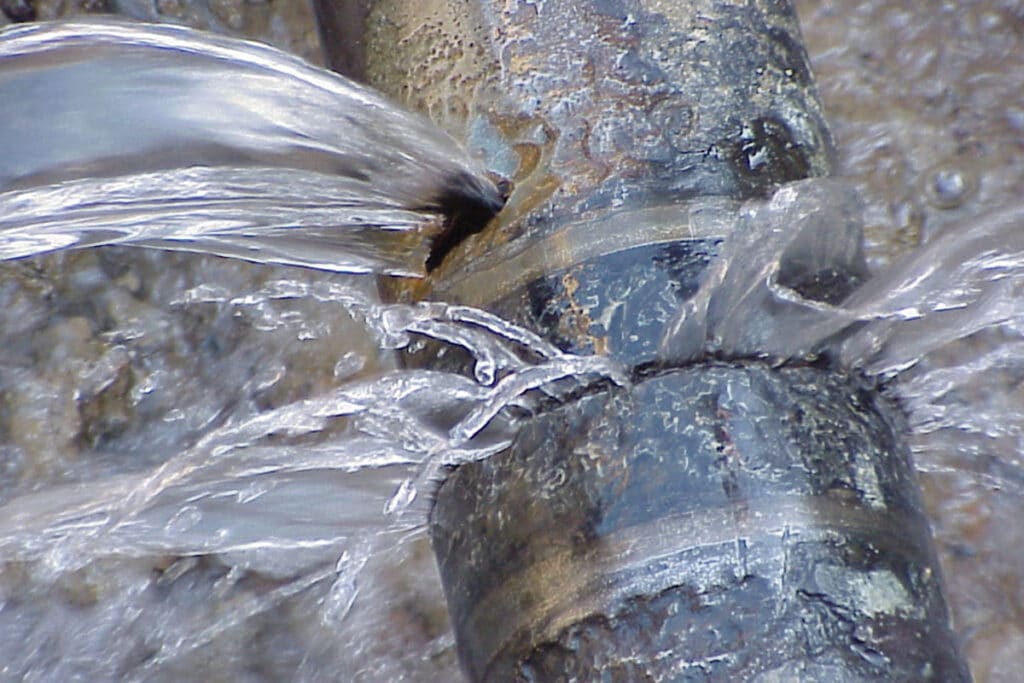
Ready to Protect Your Home After a Main Break?
If you are noticing any of the warning signs described above, the most effective next step is to schedule an inspection with a licensed plumber before small issues become expensive structural problems. Expertise Plumbing & Rooter, located at 8885 Roslyndale Ave, Arleta, CA 91331, operates 24 hours a day and serves the greater Los Angeles area. You can reach them directly at (888) 807-7069. Whether you need a full pipe assessment or emergency service, calling today means catching problems before they escalate. You can also learn more about their services at . For urgent situations, an emergency plumber los angeles can be on-site quickly to assess and stop active damage.
Frequently Asked Questions
Q: How soon after a water main break should I call a plumber?
Call a plumber within 24 hours if you notice any pressure changes, discoloration that does not clear, or wet spots on walls and floors.
Most main break-related interior damage either appears immediately or within the first two days. Waiting longer increases the risk of mold growth, structural damage, and higher repair costs.
Q: Is the water safe to use right after a main break is repaired?
No, you should wait for an official confirmation from your water utility before resuming normal use.
Even after the main line is repaired, sediment and potential contaminants may still be present in your home’s supply lines. Flushing cold taps for several minutes and cleaning aerators are recommended steps after clearance.
Q: Can a water main break cause a slab leak?
Yes, pressure surges during and after a water main break are a documented cause of slab leaks in homes with pipes running beneath concrete foundations.
The sudden change in water pressure stresses pipe joints and fittings. Homes in areas with older pipe materials or high seismic activity, like much of Los Angeles, face a higher risk.
Q: What is a backflow preventer and do I need one?
A backflow preventer is a device that stops contaminated water from flowing backward into your home’s supply lines during pressure drops.
Many local plumbing codes require them, especially in commercial buildings, but they are also highly recommended for residential properties in areas with aging infrastructure. A licensed plumber can assess whether your home has one and whether it is functioning correctly.
If you have a specific commercial plumbing need not listed here, please call us to discuss your requirements.
Q: Will my homeowner's insurance cover plumbing damage from a water main break?
Coverage depends on your specific policy, but many standard homeowner’s policies cover sudden and accidental internal water damage.
Damage from a municipal main break that affects your interior pipes may qualify, but you will likely need documentation of the break from your utility provider. Reviewing your policy with your insurance agent before an event occurs is always the smarter approach.
The Bottom Line on Plumbing Problems After a Water Main Break
Plumbing problems after water main break events range from minor sediment clogs to serious structural damage, and the gap between those two outcomes often comes down to how quickly you respond. Pressure changes, backflow risk, and debris in your lines are all real and immediate threats that a qualified plumber can assess and address before they compound. For Los Angeles homeowners, the Mayo Clinic’s guidance on waterborne contamination risks is a useful reference for understanding when water safety becomes a health concern.
Take action as soon as you notice anything unusual after a main break in your neighborhood. A single inspection call to a 24-hour plumber like Expertise Plumbing & Rooter at (888) 807-7069 can save you thousands of dollars in avoidable repairs.