
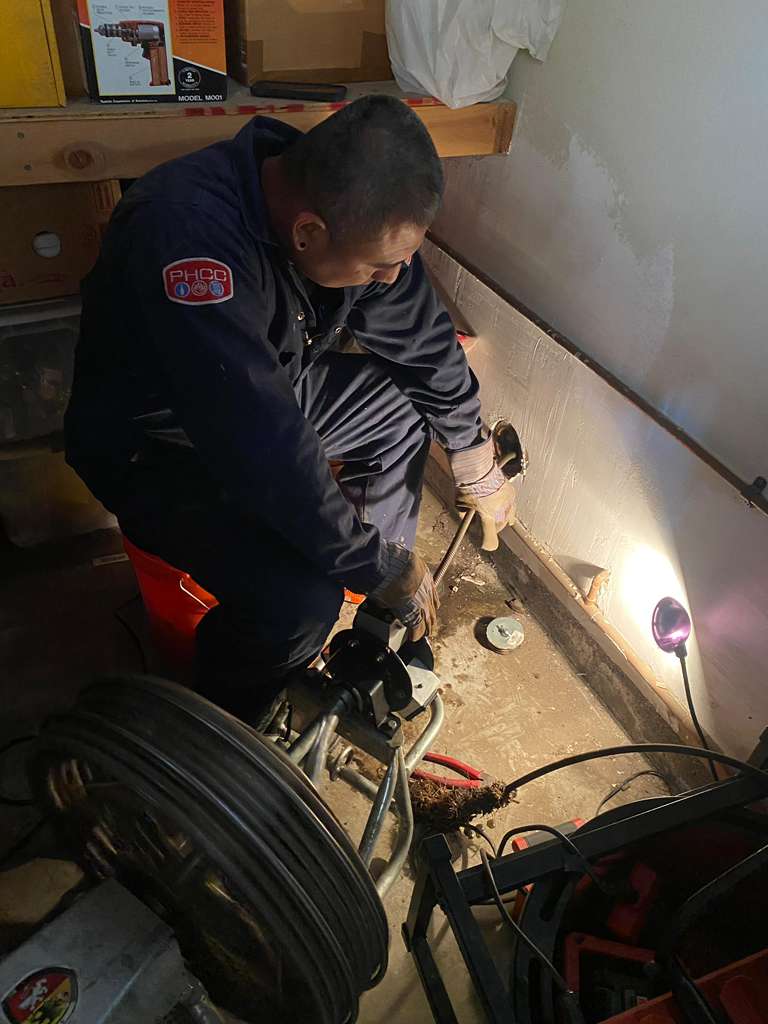
A main sewer line clog affects every drain in your home simultaneously, while a branch clog is isolated to a single fixture or area. Knowing how to identify a main sewer line clog vs branch clog can save you hundreds of dollars in unnecessary repairs and help you act fast before sewage backs up into your living space.
Key Takeaways
- Multiple drains backing up at the same time almost always points to a main sewer line clog, not a branch issue.
- A branch clog affects only one fixture or one section of your plumbing — a single sink, toilet, or shower.
- Gurgling sounds coming from unrelated fixtures is one of the clearest early warning signs of a main line problem.
- Running water in one part of the house and seeing backflow elsewhere confirms a main line blockage.
- DIY drain cleaners rarely reach deep enough to clear main line clogs — professional rooter service is usually required.
- Early diagnosis prevents costly structural damage, mold growth, and potential health hazards from raw sewage exposure.
What Actually Separates a Main Line Clog from a Branch Clog
Your home’s plumbing works like a tree. Individual drain lines, called branch lines, connect each fixture to a larger main sewer line that runs out to the city sewer or your septic system. When a branch clogs, only the fixture or fixtures connected to that branch are affected. When the main line clogs, everything downstream backs up because there is nowhere for wastewater to go.
The main sewer line in a typical American home sits 2 to 6 feet underground and is usually 4 inches in diameter. Branch lines are narrower, often 1.5 to 2 inches wide. This size difference matters because a clog in a branch line tends to be localized hair, grease, or soap buildup. A main line clog is typically caused by tree root intrusion, accumulated debris, or a collapsed section of pipe, according to information published by the Environmental Protection Agency on sewer system overflows.

The Clearest Signs You Have a Main Sewer Line Clog
Learning how to identify a main sewer line clog vs branch clog starts with observing patterns across your entire home, not just one fixture. Here are the most reliable indicators:
Signs pointing to a main line clog:
- Two or more drains are slow or completely backed up at the same time
- Flushing a toilet causes water to bubble up in a nearby shower or tub
- Running the washing machine causes the toilet to overflow or gurgle
- Sewage odor is present throughout multiple rooms, not just one bathroom
- Water backs up into the floor drain in your basement or garage
Signs pointing to a branch line clog:
- Only one sink, toilet, or shower is draining slowly
- No other fixtures are affected when you use the troubled one
- The smell is localized to one fixture or bathroom
- Plunging or a basic drain snake resolves the issue within minutes
The Mayo Clinic notes that sewer gas exposure can cause headaches, nausea, and dizziness, and if you are noticing sewer odors throughout your home as described in our about us information, treat it as a health concern, not just a plumbing nuisance, and call a professional immediately.
The Water Test: A Simple Way to Narrow It Down
One of the quickest at-home diagnostic tests involves running water from different fixtures and watching for cross-reactions. Here is how to do it:
- Have one person flush the toilet on the first floor.
- Have another person watch the shower drain, tub, or floor drain in a different room.
- If water rises or bubbles appear in those secondary drains, your main line is almost certainly blocked.
- If nothing happens elsewhere, the problem is likely isolated to that one toilet’s branch line.
You can repeat this test using the washing machine or a bathroom sink. The key is observing whether using one fixture affects others. If the answer is yes, stop using all water immediately and call a licensed plumber. Continued use risks pushing sewage backward into your home’s lowest fixtures, which creates a much more expensive cleanup.
Common Causes Worth Knowing
Tree root intrusion is the leading cause of main sewer line clogs in the United States, especially in older neighborhoods where mature trees have had decades to grow toward underground water sources. According to research from the Water Research Foundation, root intrusion accounts for a significant portion of sewer line failures in residential areas.
Grease buildup is the next most common culprit. Even if you never pour cooking oil directly down the drain, grease from dishes accumulates over years and narrows the pipe. In branch lines, the same principle applies on a smaller scale.
If your home experienced a nearby infrastructure event, you should also read about plumbing problems after water main break, as outside pressure changes can disturb sediment and accelerate clogs in both main and branch lines.
Things to Know
- A single slow drain after a party or holiday cooking session is almost always a branch clog from grease or food waste.
- Main line clogs do not always cause complete backup right away. Early signs include slow drains on multiple fixtures before full blockage occurs.
- Older homes in Los Angeles built before the 1970s may still have clay or cast-iron sewer pipes, which are far more prone to root intrusion and collapse.
- Chemical drain cleaners labeled “professional strength” rarely penetrate deep enough to clear a main line blockage and can damage older pipe materials.
- If a plumber recommends a camera inspection, it is the most accurate way to confirm whether the clog is in the main line or a branch, and where exactly it sits.
Ready to Stop Guessing and Get a Definitive Answer?
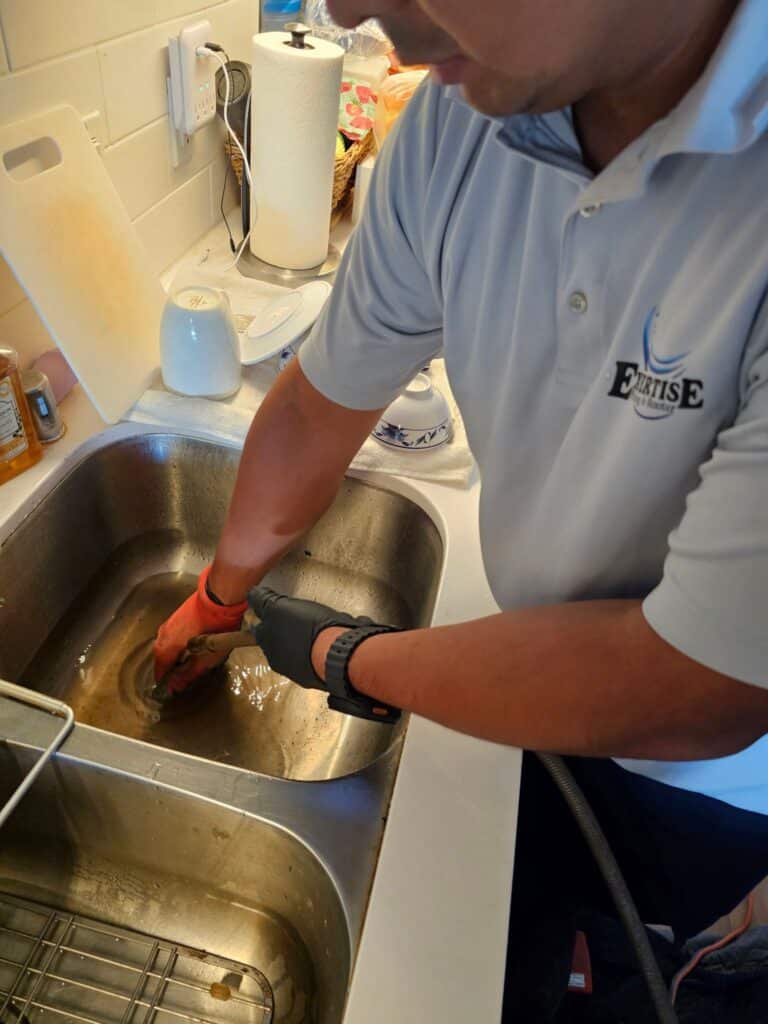
If you have run the water test and your drains are reacting to each other, stop using water in your home right now. Call Expertise Plumbing and Rooter at (888) 807-7069. They are based at 8885 Roslyndale Ave, Arleta, CA 91331, and are open 24 hours a day, seven days a week. Their team provides professional camera inspections and rooter services across the Los Angeles area, so you get a confirmed diagnosis, not a guess. For complex situations requiring pipe repair or replacement, their sewer repair los angeles service covers everything from minor patching to full line replacement.

Frequently Asked Questions
Q: Can a main sewer line clog clear itself over time?
No, a main sewer line clog will not resolve on its own.
Unlike minor sink clogs that might loosen with hot water, a main line blockage caused by roots or collapsed pipe requires physical intervention. Waiting only allows sewage to back up further and increases the risk of pipe damage.
Q: How much does it cost to diagnose a sewer clog in Los Angeles?
A sewer camera inspection in Los Angeles typically costs between $150 and $350.
This price varies by company and access difficulty. Many plumbers will apply the inspection fee toward the cost of repair if you proceed with the same provider.
Q: Is it safe to use one bathroom if another is backed up?
It depends on which fixtures are affected, but caution is strongly advised.
If your main line is blocked, using any fixture adds pressure to an already overloaded system. Limit all water use until a professional has assessed the situation, as the CDC recommends avoiding contact with raw sewage due to serious health risks.
Q: How do I find my main sewer line cleanout access point?
The cleanout is usually a white or black plastic cap located near the foundation of your home, in the garage, or along the exterior wall.
Some older homes have cleanouts buried in the yard or lack them entirely. Your plumber can locate it using a sewer camera or a locating device.
If you have a specific commercial plumbing need not listed here, please call us to discuss your requirements.
Q: Can tree roots really grow into a 4-inch sewer pipe?
Yes, tree roots are one of the most common causes of main sewer line clogs in the United States.
Roots seek moisture and can penetrate even small cracks in clay or older PVC pipes. Once inside, they grow rapidly and can completely block water flow within a few seasons, according to the University of California Cooperative Extension.
The Bottom Line on How to Identify a Main Sewer Line Clog vs Branch Clog
The difference between a main sewer line clog vs branch clog comes down to one question: is more than one fixture affected? If yes, stop using water, check your cleanout for overflow, and call a licensed plumber within the hour. If only one fixture is slow, try a plunger or schedule a non-emergency service call.
Acting quickly on the right diagnosis protects your floors, walls, and health from raw sewage exposure. Contact Expertise Plumbing and Rooter at (888) 807-7069 any time of day or night for an accurate camera inspection and fast resolution.