
Main Sewer Line Clog Symptoms: How to Tell a Main Clog from a Branch Clog
The main sign of a main sewer line clog is that more than one drain in the house is slow or backing up at the same time. A branch clog affects one fixture or one bathroom. A main line clog affects the whole house, because every drain empties into the same line. Knowing which one you have saves you from snaking a drain that was never the problem.
Expertise Plumbing & Rooter is led by JC Garcia, a licensed master plumber with 29 years of experience, and operates under CSLB #1104324 as a licensed, insured, and bonded C-36 plumbing contractor. Below are the symptoms to check and a simple way to tell the two apart.
Call Us
888-807-7069
Have a Any Project With Us?
Get 30% Off! Claim Now!👈
Get Your Free Estimate
Main Sewer Line Clog Symptoms
- Multiple slow drains at once. Sinks, tubs, and toilets all drain slowly, not just one.
- Gurgling sounds. Air pushed back by the blockage bubbles up through drains and toilets, especially after you flush or run water.
- Water coming up in the lowest drain. The tub, shower, or floor drain nearest the lowest point of the house backs up first when you run the washing machine or flush a toilet.
- Toilets that won’t flush properly. More than one toilet is sluggish or bubbles, and plunging doesn’t fix it.
- Sewage backup. Wastewater comes up in a tub, shower, or floor drain. This is an emergency.
- Sewer smell. Odors inside the house or near the cleanout, outside wall, or yard.
- Wet or sunken spots in the yard. Wet ground, lush patches of grass, or sinking soil over the line can point to a leak or break in the lateral.
- Clogs that keep coming back. Snaking clears it for a few days or weeks, then the symptoms return.
Main Line Clog vs Branch Clog
| Main sewer line clog | Branch line clog | |
|---|---|---|
| How many fixtures | Several or the whole house | One fixture or one bathroom |
| Gurgling | Common, in multiple drains | Usually only at the one drain |
| Lowest drain backs up | Yes, often first | No |
| Sewage backup | Possible | Rare |
| Sewer smell | Common | Less common |
| Keeps returning after snaking | Often | Sometimes |
| DIY fix | Rarely works | Plunger or small snake often works |
A Quick Way to Tell
- Run water in the sink farthest from the bathroom and flush a toilet.
- Check the tub or shower drain on the lowest level of the house. If it gurgles, bubbles, or fills, the main line is likely blocked.
- Try a second fixture in a different part of the house. If that drains slowly too, it points to the main line.
If only one fixture acts up and the rest drain normally, it’s most likely a branch clog. Don’t open the cleanout yourself unless you know what you’re doing, since a full line can flood the area when the cap comes off.
Common Causes of Main Sewer Line Clogs in Los Angeles
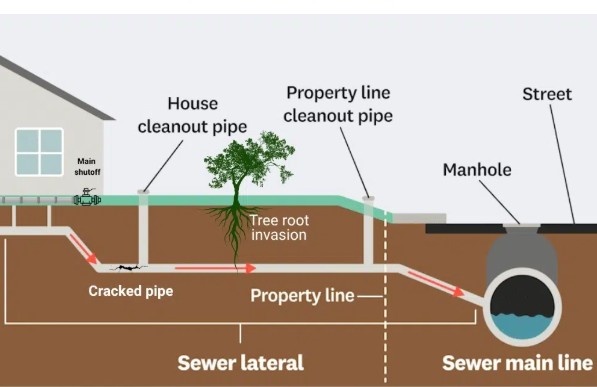
- Tree roots growing into joints (see tree roots in sewer lines)
- Grease and buildup on the pipe walls
- Old or damaged pipe, such as cracked, offset, or collapsed sections of clay or cast iron
- Flushed items like wipes, paper towels, and feminine products
- Belly in the line, a low spot where waste settles
What to Do
- Stop using water if drains are backing up, to avoid making it worse
- Don’t pour chemical drain cleaner into a main line clog, since it rarely works and can harm the pipe and the technician
- Call a plumber for a camera inspection to see what’s blocking the line and why. A sewer camera inspection typically runs $150 to $300.
- Clear the line. Main sewer line clearing typically runs $250 to $600, and hydro jetting typically runs $300 to $600 when buildup or roots are the cause.
- Repair if needed. If the camera shows a broken or collapsed line, see our sewer repair in Los Angeles page.
What Actually Separates a Main Line Clog from a Branch Clog
Your home’s plumbing works like a tree. Individual drain lines, called branch lines, connect each fixture to a larger main sewer line that runs out to the city sewer or your septic system. When a branch clogs, only the fixture or fixtures connected to that branch are affected. When the main line clogs, everything downstream backs up because there is nowhere for wastewater to go.
The main sewer line in a typical American home sits 2 to 6 feet underground and is usually 4 inches in diameter. Branch lines are narrower, often 1.5 to 2 inches wide. This size difference matters because a clog in a branch line tends to be localized hair, grease, or soap buildup. A main line clog is typically caused by tree root intrusion, accumulated debris, or a collapsed section of pipe, according to information published by the Environmental Protection Agency on sewer system overflows.
The Clearest Signs You Have a Main Sewer Line Clog
Learning how to identify a main sewer line clog vs branch clog starts with observing patterns across your entire home, not just one fixture. Here are the most reliable indicators:
Signs pointing to a main line clog:
- Two or more drains are slow or completely backed up at the same time
- Flushing a toilet causes water to bubble up in a nearby shower or tub
- Running the washing machine causes the toilet to overflow or gurgle
- Sewage odor is present throughout multiple rooms, not just one bathroom
- Water backs up into the floor drain in your basement or garage
Signs pointing to a branch line clog:
- Only one sink, toilet, or shower is draining slowly
- No other fixtures are affected when you use the troubled one
- The smell is localized to one fixture or bathroom
- Plunging or a basic drain snake resolves the issue within minutes
The Mayo Clinic notes that sewer gas exposure can cause headaches, nausea, and dizziness, and if you are noticing sewer odors throughout your home as described in our about us information, treat it as a health concern, not just a plumbing nuisance, and call a professional immediately.
The Water Test: A Simple Way to Narrow It Down
One of the quickest at-home diagnostic tests involves running water from different fixtures and watching for cross-reactions. Here is how to do it:
- Have one person flush the toilet on the first floor.
- Have another person watch the shower drain, tub, or floor drain in a different room.
- If water rises or bubbles appear in those secondary drains, your main line is almost certainly blocked.
- If nothing happens elsewhere, the problem is likely isolated to that one toilet’s branch line.
You can repeat this test using the washing machine or a bathroom sink. The key is observing whether using one fixture affects others. If the answer is yes, stop using all water immediately and call a licensed plumber. Continued use risks pushing sewage backward into your home’s lowest fixtures, which creates a much more expensive cleanup.
Common Causes Worth Knowing
Tree root intrusion is the leading cause of main sewer line clogs in the United States, especially in older neighborhoods where mature trees have had decades to grow toward underground water sources. According to research from the Water Research Foundation, root intrusion accounts for a significant portion of sewer line failures in residential areas.
Grease buildup is the next most common culprit. Even if you never pour cooking oil directly down the drain, grease from dishes accumulates over years and narrows the pipe. In branch lines, the same principle applies on a smaller scale.
If your home experienced a nearby infrastructure event, you should also read about plumbing problems after water main break, as outside pressure changes can disturb sediment and accelerate clogs in both main and branch lines.
Things to Know
- A single slow drain after a party or holiday cooking session is almost always a branch clog from grease or food waste.
- Main line clogs do not always cause complete backup right away. Early signs include slow drains on multiple fixtures before full blockage occurs.
- Older homes in Los Angeles built before the 1970s may still have clay or cast-iron sewer pipes, which are far more prone to root intrusion and collapse.
- Chemical drain cleaners labeled “professional strength” rarely penetrate deep enough to clear a main line blockage and can damage older pipe materials.
- If a plumber recommends a camera inspection, it is the most accurate way to confirm whether the clog is in the main line or a branch, and where exactly it sits.
Ready to Stop Guessing and Get a Definitive Answer?
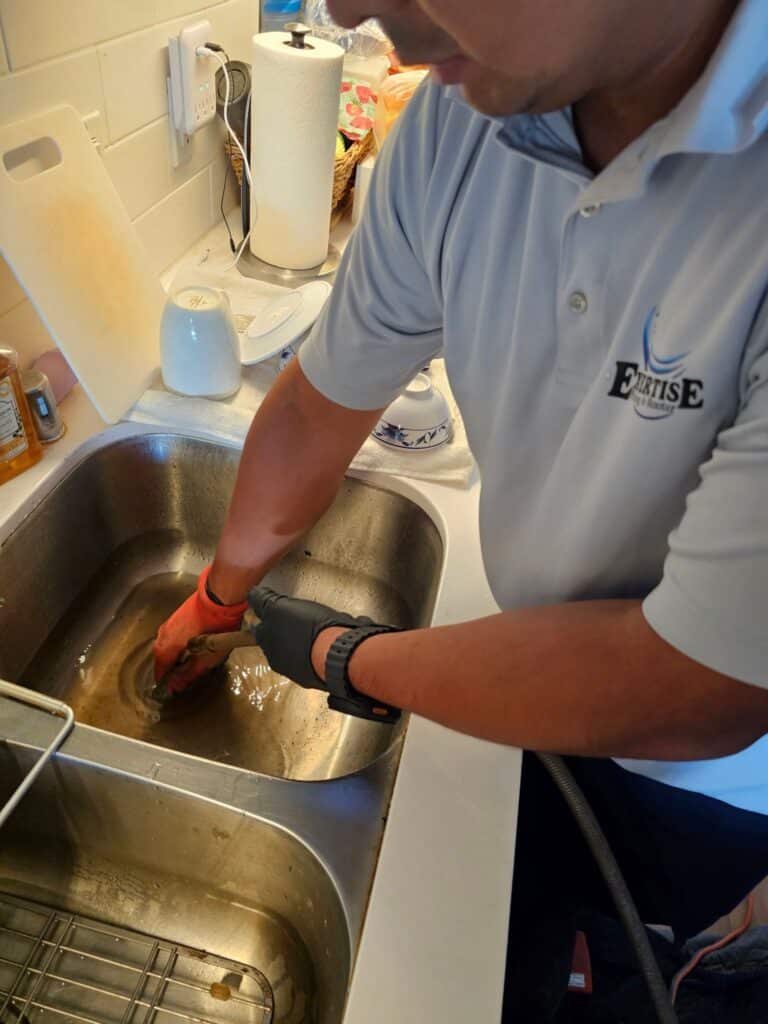
If you have run the water test and your drains are reacting to each other, stop using water in your home right now. Call Expertise Plumbing and Rooter at (888) 807-7069. They are based at 8885 Roslyndale Ave, Arleta, CA 91331, and are open 24 hours a day, seven days a week. Their team provides professional camera inspections and rooter services across the Los Angeles area, so you get a confirmed diagnosis, not a guess. For complex situations requiring pipe repair or replacement, their sewer repair los angeles service covers everything from minor patching to full line replacement.
Frequently Asked Questions
Q: Can a main sewer line clog clear itself over time?
No, a main sewer line clog will not resolve on its own.
Unlike minor sink clogs that might loosen with hot water, a main line blockage caused by roots or collapsed pipe requires physical intervention. Waiting only allows sewage to back up further and increases the risk of pipe damage.
Q: How much does it cost to diagnose a sewer clog in Los Angeles?
A sewer camera inspection in Los Angeles typically costs between $150 and $350.
This price varies by company and access difficulty. Many plumbers will apply the inspection fee toward the cost of repair if you proceed with the same provider.
Q: Is it safe to use one bathroom if another is backed up?
It depends on which fixtures are affected, but caution is strongly advised.
If your main line is blocked, using any fixture adds pressure to an already overloaded system. Limit all water use until a professional has assessed the situation, as the CDC recommends avoiding contact with raw sewage due to serious health risks.
Q: How do I find my main sewer line cleanout access point?
The cleanout is usually a white or black plastic cap located near the foundation of your home, in the garage, or along the exterior wall.
Some older homes have cleanouts buried in the yard or lack them entirely. Your plumber can locate it using a sewer camera or a locating device.
If you have a specific commercial plumbing need not listed here, please call us to discuss your requirements.
Q: Can tree roots really grow into a 4-inch sewer pipe?
Yes, tree roots are one of the most common causes of main sewer line clogs in the United States.
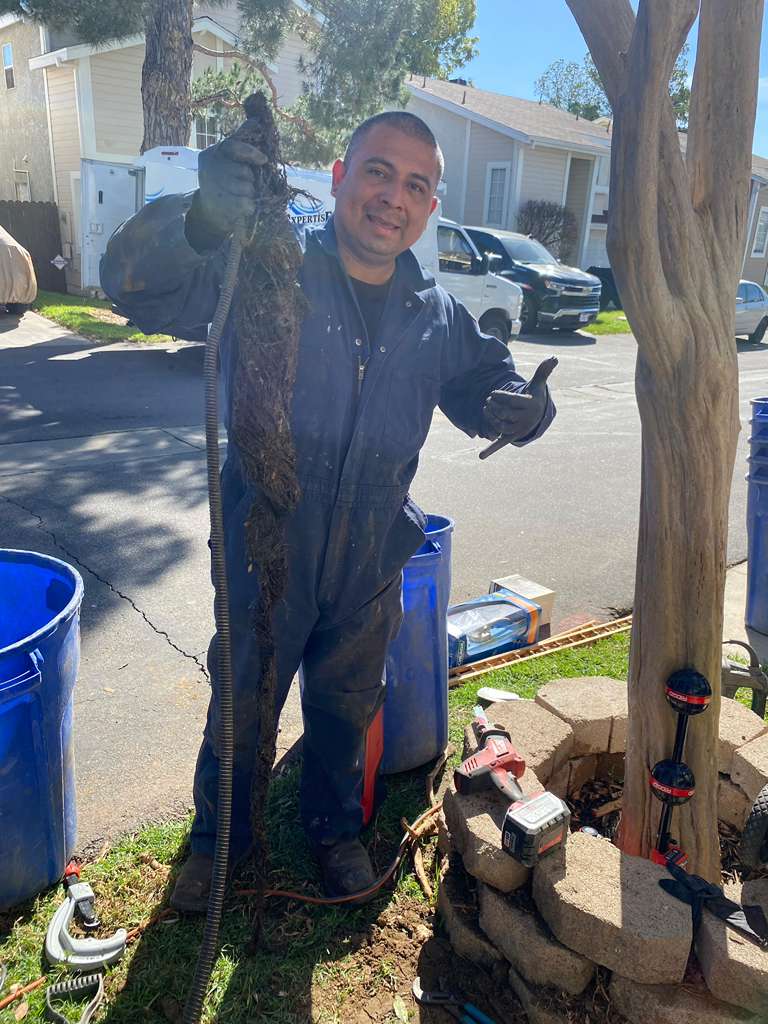
Roots seek moisture and can penetrate even small cracks in clay or older PVC pipes. Once inside, they grow rapidly and can completely block water flow within a few seasons, according to the University of California Cooperative Extension.
The Bottom Line on How to Identify a Main Sewer Line Clog vs Branch Clog
The difference between a main sewer line clog vs branch clog comes down to one question: is more than one fixture affected? If yes, stop using water, check your cleanout for overflow, and call a licensed plumber within the hour. If only one fixture is slow, try a plunger or schedule a non-emergency service call.
Acting quickly on the right diagnosis protects your floors, walls, and health from raw sewage exposure. Contact Expertise Plumbing and Rooter at (888) 807-7069 any time of day or night for an accurate camera inspection and fast resolution.