
Shower Drain Smells Like Sewer: Causes, Fixes, and When to Call a Pro
A shower drain that smells like sewer is almost always caused by one of three things: a dried-out P-trap, a blocked vent pipe, or biofilm buildup on drain components. Each one has a different fix, and misidentifying the source is where most homeowners lose time and money.
That sulfur-and-rotten-egg smell creeping up from your shower floor is not just unpleasant. It can signal hydrogen sulfide gas entering your living space, which the CDC classifies as a hazardous substance at elevated concentrations. Low-level exposure from a residential drain is unlikely to cause acute illness, but chronic seepage of sewer gas into a poorly ventilated bathroom is worth treating urgently, not just masking with air freshener.
Who this is for: This article is written for homeowners and renters in Los Angeles and surrounding areas who are dealing with a persistent sewer smell coming from their shower drain and want to understand why it happens and what the realistic fix looks like. Not for: people troubleshooting whole-house sewer odor or main line failures, which require a different diagnostic process entirely.
Why Your Shower Drain Smells Like Sewer (The Real Mechanics)
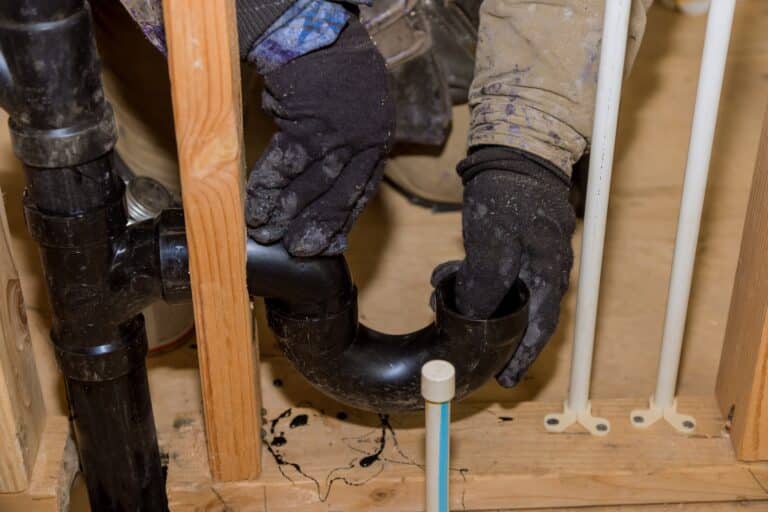
Understanding the source means understanding how a drain system is supposed to work. Every fixture in your home connects to the main sewer line through a P-trap, that curved pipe section under the drain. The curve holds a small amount of standing water at all times, and that water is the only barrier between your bathroom air and the sewer gas below.
When a shower goes unused for a week or two, especially in dry climates like Southern California, that water evaporates. Once the seal is gone, sewer gas flows up freely. This is the most common cause of sudden sewer smell in a guest bathroom or vacation home, and it is also the easiest fix: just run the water for 30 seconds.
The harder cases involve biofilm, vent pipes, or deeper plumbing issues.
Biofilm buildup develops inside drain pipes over months of normal use. Soap residue, dead skin cells, hair product, and organic matter accumulate along the pipe walls and inside the drain cover. Bacteria colonize this layer and produce hydrogen sulfide as a byproduct. The smell is consistent rather than intermittent, and it tends to get worse after you run hot water because heat activates the bacterial activity.
Blocked vent pipes are less intuitive. Your drain system includes a vent stack that runs up through the roof, allowing air into the system so water flows smoothly and gas exits upward. When that vent is blocked by debris, a bird nest, or a dead animal, negative pressure builds inside the pipes. That pressure can siphon the water right out of your P-trap, even if nothing is visibly wrong with the drain itself.
Damaged or missing cleanout caps on older drain assemblies sometimes let gas escape at the fixture level. In homes built before 1980 in Los Angeles County, cast iron drain pipes can corrode enough to create micro-cracks that leak odor without showing any visible water damage.
Diagnosing the Source Before You Start Pouring Things Down the Drain
In practice, the pattern that trips most people up is reaching for a bottle of drain cleaner before identifying which of the three root causes they are actually dealing with. Bleach or chemical drain openers can temporarily suppress biofilm odor without touching a dried P-trap or a blocked vent, so the smell returns within days and people assume the fix failed.
Use this diagnostic sequence before doing anything else:
- Check shower frequency. If the shower has not been used in more than seven days, run water for 60 seconds, wait an hour, and check again. If the smell is gone, you had a dry P-trap.
- Smell the drain directly. Get close to the drain opening. If the smell is strongest there and consistent, biofilm is likely. If the smell is more diffuse, coming from the walls or ceiling, the vent stack is the more likely culprit.
- Run other fixtures. Turn on the bathroom sink and flush the toilet. If they also produce a sewer smell or if you hear gurgling when you drain the tub, the vent pipe is blocked or the main line has a partial obstruction.
- Check the time of day. Vent-related odors often peak in the evening when air pressure changes cause the sewer gas to push inward rather than exhaust upward.

| Symptom | Most Likely Cause | DIY Possible? |
|---|---|---|
| Smell only after long period of no use | Dry P-trap | Yes, run water |
| Consistent smell, worst near drain | Biofilm buildup | Yes, manual cleaning |
| Smell in multiple fixtures, gurgling sounds | Blocked vent pipe | No, requires roof access |
| Smell with no visible clog, older home | Corroded pipe or cracked drain | No, needs inspection |
| Smell after heavy rain | Overwhelmed vent or sewer backup | No, call a plumber |
DIY Fixes That Actually Work (And Their Limits)
For a dry P-trap, the fix is just water. Run the shower for a minute, and if your drain includes a floor-level clean-out plug, verify it is seated properly. The trap will refill and hold the seal as long as the shower sees regular use.
For biofilm, skip the bleach. The more effective approach is mechanical removal. Remove the drain cover, pull out any visible debris by hand (yes, all of it), and then use a flexible drain brush to scrub the inside walls of the drain pipe for the first 12 to 18 inches. Follow with a mixture of baking soda and white vinegar, let it fizz for 20 minutes, then flush with the hottest water your tap produces. Enzyme-based drain cleaners like Bio-Clean are a better long-term maintenance option than chemical ones because they break down organic matter without corroding pipe walls.
The trade-off with DIY biofilm cleaning is that it only reaches the accessible portion of the drain. If the buildup extends further into the pipe, which it often does in homes that have never had a professional drain cleaning, the smell will return within a few weeks. That is not a failure. It means the problem is deeper than a drain brush can reach.
For vent pipe blockages, do not attempt this without proper safety gear and roof access experience. A clogged vent requires climbing onto the roof to inspect and clear the stack opening. In Los Angeles, where many homes have tile or clay roofs, this is a realistic hazard. This is the point where calling in plumbing services makes more sense than risking a fall or making the blockage worse by pushing debris further into the stack.
What a Professional Drain Inspection Actually Involves
When a homeowner contacts a licensed plumber for a sewer smell complaint, the first step is usually a camera inspection of the drain line. A waterproof camera is threaded through the drain to identify the exact location and nature of any obstruction, buildup, or structural damage. This is not a upsell. For older Los Angeles homes with cast iron or Orangeburg pipe (a fiber-based material used through the 1970s), visual inspection is the only reliable way to confirm the pipe is still intact.
A camera inspection typically takes 45 to 90 minutes and surfaces information that no amount of snaking or chemical treatment would reveal, such as root intrusion from street trees, pipe belly (a sag where water pools and debris accumulates), or a collapsed section.
| Service Type | Average Cost Range | What It Addresses |
|---|---|---|
| Manual drain cleaning | $75 to $150 | Biofilm, surface clogs |
| Hydro-jetting | $250 to $500 | Deep biofilm, stubborn buildup |
| Camera inspection | $150 to $300 | Root intrusion, pipe damage, belly |
| Vent pipe clearing | $100 to $250 | Blocked vent stacks |
| P-trap replacement | $100 to $200 | Cracked or missing trap |
Note: These are general ranges for the Los Angeles area. Actual costs vary based on access difficulty, pipe material, and the extent of the problem found during inspection.
Preventing the Smell From Coming Back
Once you have identified and fixed the source, maintenance is straightforward if you stick to a routine. For showers used less than twice a week, pour a cup of water down the drain after each use to keep the P-trap sealed. Add a tablespoon of vegetable oil on top of the water to slow evaporation. This is a trick used in commercial buildings with floor drains that see sporadic use, and it works just as well in a residential shower.
For biofilm prevention, a monthly enzyme treatment is more effective than quarterly chemical cleaning. Products like Green Gobbler Enzyme Drain Cleaner, available at most Los Angeles Home Depot locations, cost around $20 to $30 and do not damage PVC or older metal pipes.
Install a hair catcher over the drain if you do not already use one. Hair is the primary scaffolding that biofilm grows on. Removing it at the surface before it enters the pipe cuts biofilm formation significantly.
If your home is older than 30 years and you have never had the drain lines inspected, one professional camera inspection is worth doing proactively, especially before the hot summer months when odors intensify in poorly ventilated bathrooms. For Los Angeles homeowners, Expertise Plumbing & Rooter serves the area around Arleta and across the city, and is reachable at (888) 807-7069 any time since they operate 24 hours.


Frequently Asked Questions
Q: Can a shower drain that smells like sewer be dangerous to my health?
Yes, sewer gas contains hydrogen sulfide, which is hazardous at elevated concentrations.
At the low levels typically found in a residential bathroom, a brief exposure is unlikely to cause serious harm. But chronic seepage of sewer gas into a poorly ventilated space has been linked to headaches, nausea, and eye irritation. If the smell is strong enough to linger after the bathroom is aired out, treat it as an urgent fix rather than a minor nuisance.
Q: Why does my shower drain smell like sewer only in the morning?
Morning odors usually point to a vent pipe issue or pressure changes in the drain system overnight.
When outdoor temperatures drop at night, air pressure shifts can cause sewer gas to push inward through a compromised vent stack rather than exhaust upward. If the smell fades within an hour of your morning routine, that is a strong indicator the vent system is partially blocked. Running the shower briefly does not fix this. The vent stack needs to be inspected and cleared.
Q: How often should I clean my shower drain to prevent sewer smells?
A monthly enzyme treatment and a weekly hair removal routine will prevent most biofilm-related odors.
The catch is that cleaning frequency alone will not help if the underlying pipe has structural damage or a compromised P-trap. In practice, the pattern that repeats most often is homeowners cleaning diligently but skipping the drain cover and the first few inches of the pipe interior, where the densest biofilm accumulates. Mechanical scrubbing once a month, combined with enzyme treatment, keeps most residential shower drains odor-free.
Q: Is it possible that my water heater is causing the sewer smell in my shower?
Yes, a water heater with a corroded anode rod can produce hydrogen sulfide, which may be mistaken for a drain odor.
If the sulfur smell is strongest when you first run hot water and fades as the water temperature stabilizes, your water heater is the more likely culprit rather than the drain. A magnesium anode rod reacting with high-sulfate water is a known cause of rotten egg odor in Los Angeles homes, given regional water chemistry. Replacing the anode rod with an aluminum or zinc alternative typically resolves this within one to two days.
Q: When should I stop trying DIY fixes and call a licensed plumber for a sewer smell?
Call a plumber if the smell persists for more than three weeks after cleaning, if multiple fixtures are affected, or if you hear gurgling sounds when water drains.
These three signs together indicate a problem that goes beyond surface biofilm or a dry P-trap. Gurgling specifically points to a venting or main line issue that requires professional equipment to diagnose. Waiting too long risks allowing a partial blockage to become a full one, or missing early signs of pipe deterioration that are far cheaper to address before they cause water damage.
The Bottom Line on Shower Drain Smells Like Sewer
A sewer smell from your shower drain is one of those problems that rewards quick action and punishes guessing. Identify the source first: dry P-trap, biofilm, or vent blockage. Each has a distinct fix, and treating the wrong cause just delays finding the right one. The dry P-trap fix costs nothing. The biofilm fix costs an afternoon and about $20 in supplies. The vent or pipe issue costs more, but catching it early keeps it from becoming a water damage claim.
If you are in the Los Angeles area and the smell has not responded to two rounds of DIY cleaning, contact Expertise Plumbing & Rooter at (888) 807-7069. They operate 24 hours a day and serve residential clients across Los Angeles County from their location at 8885 Roslyndale Ave, Arleta, CA 91331. A camera inspection is the fastest way to stop guessing and start fixing.