
A low water pressure shower fix usually starts with cleaning your showerhead or adjusting the pressure-balancing valve. Most cases can be resolved in under an hour without calling a plumber, but some causes point to deeper plumbing issues that need professional attention.
Key Takeaways
- A clogged showerhead is the most common cause of weak shower flow and takes about 15 minutes to fix
- Mineral buildup, flow restrictors, and faulty pressure-balancing valves each require a different solution
- Whole-home low pressure points to a supply line or regulator problem, not just the shower
- Water heater issues can mimic pressure problems, especially in older tank systems
- Persistent or sudden pressure drops should be evaluated by a licensed plumber to avoid bigger damage
- Knowing whether the problem is isolated to one fixture or affects the whole house saves time and money
Why Your Shower Pressure Drops in the First Place
Weak shower flow is frustrating, and it rarely fixes itself. The cause matters because the wrong fix wastes time. There are several common culprits, and each one has a specific solution.
Mineral deposits and showerhead clogs are the leading cause of reduced flow. In Los Angeles and the San Fernando Valley, hard water leaves calcium and lime buildup inside the showerhead nozzles that can be resolved with an emergency plumber los angeles if buildup becomes severe. Over time, this narrows the openings and chokes the spray pattern.
Flow restrictors are small plastic inserts installed inside showerheads to meet the EPA WaterSense standard of 2.0 gallons per minute. While they conserve water, some models are overly aggressive and reduce pressure noticeably.
Pressure-balancing valves wear out over time. These valves are located behind the shower wall and are designed to maintain consistent water temperature and pressure. A failing cartridge inside this valve is a common reason for sudden pressure loss, especially in showers older than 10 years.
Supply line issues can affect the entire home. If you notice low pressure at every faucet and fixture, not just the shower, the problem likely traces back to your main water supply line, the pressure regulator, or municipal pressure fluctuations in your neighborhood.
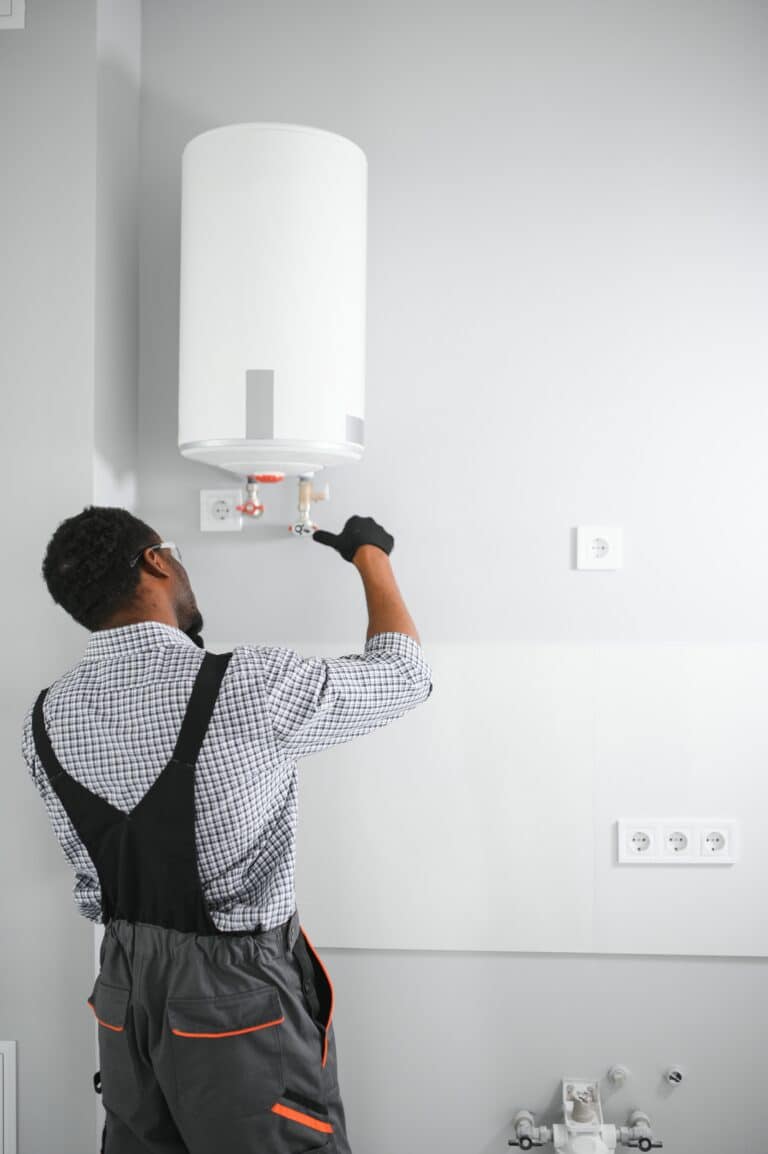
Water heater condition plays a role too. Sediment buildup inside a tank-style water heater restricts hot water flow to all fixtures. If your pressure is normal on cold water but weak on hot, the water heater is the likely source, and scheduling a water heater installation los angeles consultation can help you evaluate whether a replacement makes more sense than continued repairs.
Step-by-Step Low Water Pressure Shower Fix
Before you start replacing shower fixtures, rule out the simple explanations. If every fixture in the house lost pressure at the same time, a break in the city main is a more likely culprit than anything inside your walls. Working through these steps in order helps you identify the source before spending money on parts or services.
Step 1: Test Pressure at Other Fixtures
Turn on faucets in the kitchen and bathroom sink. If they all run weak, the issue is house-wide. If only the shower runs weak, the problem is isolated to that fixture or valve.
Step 2: Remove and Inspect the Showerhead
Use a wrench and a cloth to protect the finish, then unscrew the showerhead. Hold it up to the light and look through the nozzles. If they are blocked with white or yellowish crust, mineral buildup is your problem.
Step 3: Soak the Showerhead in Vinegar
Place the showerhead in a bag or bowl filled with undiluted white vinegar. Let it soak for at least two hours or overnight for heavy buildup. Scrub the nozzles with an old toothbrush, rinse thoroughly, and reinstall. This step alone solves the issue for a large percentage of homeowners.
Step 4: Remove the Flow Restrictor
Inside the showerhead inlet, there is usually a small plastic disc with a hole in the center. This is the flow restrictor. Use needle-nose pliers to pull it out carefully. Reinstall the showerhead and test the pressure. Note: removing it will increase your water usage slightly.
Step 5: Check the Shower Valve Cartridge
If pressure is still weak after the above steps, the issue is likely the pressure-balancing cartridge inside the valve body. Turn off the water supply, remove the handle and trim plate, and pull the old cartridge. Replacement cartridges for common brands like Moen, Delta, and Kohler cost between $15 and $40. This repair takes moderate DIY skill. If you are not comfortable opening the wall valve, this is a reasonable point to call in a plumber.
Step 6: Inspect the Shut-Off Valve Behind the Shower
Some showers have a dedicated shut-off valve accessible through a panel in an adjacent wall or closet. Make sure it is fully open. A partially closed valve significantly reduces flow.
Step 7: Check Your Home’s Pressure Regulator
If pressure is low throughout the home, your pressure-reducing valve (PRV) may need adjustment or replacement. The PRV is typically located where the main water line enters the house. A standard home pressure should read between 40 and 80 psi. You can purchase a pressure gauge at any hardware store for around $10 to $15. If your reading is consistently below 40 psi, the PRV likely needs a professional to recalibrate or replace it.
Things to Know
- Hard water in the San Fernando Valley accelerates mineral buildup, so showerhead cleanings should happen every six months
- A sudden pressure drop with no obvious cause can signal a pipe leak inside the wall — listen for dripping sounds or watch for water stains
- Not all flow restrictors are removable; some showerheads have them molded into the body, which means the whole head needs replacing
- If your building is older than 1980, galvanized steel pipes may be corroding from the inside, narrowing the pipe diameter over time
- Fixing shower pressure without upgrading an aging valve can be temporary; a proper shower installation los angeles upgrade may deliver better long-term results

Get Your Shower Pressure Fixed the Right Way
If you have worked through the steps above and still cannot pinpoint the cause, a professional diagnosis will save you hours of guesswork and prevent accidental damage. Expertise Plumbing and Rooter has served homeowners across Los Angeles and the San Fernando Valley since 1997, backed by CSLB License #1104324 and 29 years of field experience. Call (888) 807-7069 today to schedule a pressure evaluation with a licensed master plumber.
Contact Us!
888-807-7069

When DIY Is Not Enough
Some low water pressure situations are beyond standard DIY repair. You should contact a licensed plumber if:
- Pressure drops suddenly with no recent changes to fixtures
- The problem affects every fixture in the house simultaneously
- You hear water running inside walls when no taps are open
- There is visible rust or discoloration in the water
- The shower valve is leaking after you attempted a cartridge swap
In urgent scenarios, such as a suspected burst pipe or a leak causing water damage, contacting an emergency plumber los angeles is the right call. Time matters with active water damage, and a licensed professional can locate and isolate the problem before your drywall and flooring are affected.
Frequently Asked Questions
Q: How do I know if my showerhead or my pipes are causing low pressure?
Test pressure at other fixtures throughout your home first. If only the shower is affected, the showerhead or valve is the likely culprit. If every fixture runs weak, the cause is in the supply line, regulator, or municipal service.
Q: Can a clogged showerhead cause no hot water pressure specifically?
Yes, but in that case the water heater is more likely the issue. If cold water pressure is normal but hot water runs weak, sediment inside the water heater tank is restricting flow before it ever reaches the showerhead.
Q: How much does a plumber charge to fix low water pressure in a shower?
Most shower valve repairs cost between $150 and $400 depending on the valve type and labor time. Simple cartridge swaps sit at the lower end, while full valve body replacements cost more, especially if wall access is limited.
Q: Is removing a flow restrictor safe for my pipes?
Yes, removing a flow restrictor does not damage pipes or the showerhead. It increases your water usage by roughly 0.5 to 1.0 gallons per minute, but there is no safety risk to your plumbing system from the removal itself.
Q: What psi is considered normal water pressure for a home shower?
A reading between 45 and 60 psi is considered ideal for shower performance. Anything below 40 psi will feel noticeably weak, and anything above 80 psi can stress pipes and fixtures over time.
The Bottom Line on Low Water Pressure Shower Fix
A systematic approach works best. Start with the showerhead, move to the valve, and work outward toward the main supply if the problem persists. Most homeowners in Los Angeles can restore full pressure with a vinegar soak and a $20 cartridge.
For anything beyond the basics, Expertise Plumbing and Rooter is available across the San Fernando Valley and greater Los Angeles. Reach out at (888) 807-7069 or visit expertiseplumbing.com to book a service call with a bilingual, licensed team that has been solving pressure problems since 1997.