
A clogged toilet can usually be cleared using simple household ingredients like dish soap, baking soda, vinegar, or hot water without any chemical drain cleaners. Knowing how to unclog a toilet naturally saves you money, protects your plumbing, and avoids introducing harsh substances into your home’s water system. If the toilet backs up and the shower gurgles at the same time, you are dealing with a main line blockage rather than a toilet problem. Plunging will not help and may make the backup worse.
Key Takeaways
- Most minor toilet clogs can be resolved in under 30 minutes using items already in your home.
- Hot water and dish soap is often the fastest first-response method before trying anything else.
- Baking soda and vinegar create a fizzing reaction that breaks down organic material and soft blockages.
- Natural methods work best on clogs caused by toilet paper, soap residue, or light organic waste.
- Repeated clogs in the same toilet may signal a deeper pipe issue that requires professional attention.
- Avoid boiling water directly in the toilet bowl, as extreme heat can crack the porcelain.
Why Natural Methods Are Worth Trying Before Reaching for Chemicals
Chemical drain cleaners like Drano or Liquid-Plumr are widely sold in U.S. hardware stores, but they come with real trade-offs. These products contain sodium hydroxide or sulfuric acid, both of which can corrode older pipes, damage rubber seals, and irritate skin or lungs if mishandled. In households with a septic system, harsh chemicals can kill the beneficial bacteria that your tank depends on to function properly.
Natural alternatives, on the other hand, are gentler on your plumbing infrastructure and far safer to handle. They cost almost nothing when you already have dish soap, baking soda, and white vinegar in the kitchen. The catch is that natural methods work best on soft blockages, things like excess toilet paper, light organic buildup, or a partial obstruction. For hardened foreign objects or deep-pipe blockages, you will likely need a toilet repair los angeles specialist.
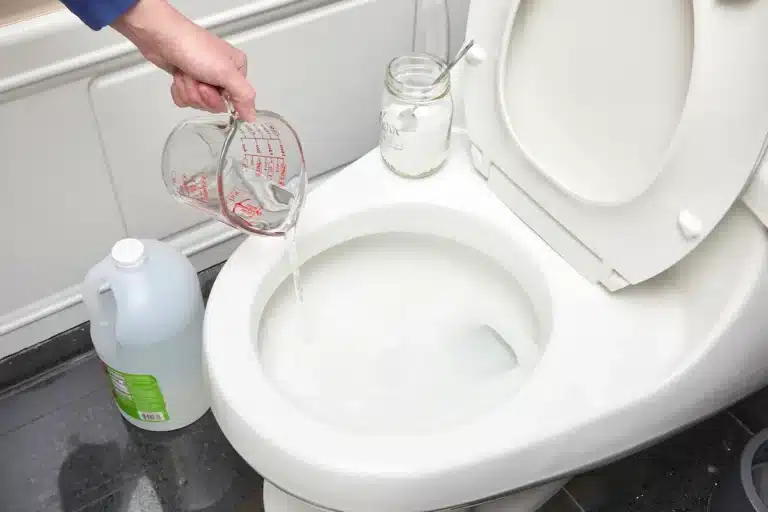
The Hot Water and Dish Soap Method: Start Here
This is the go-to first step for most minor clogs, and it works by lubricating and softening whatever is blocking the drain.
What you need:
- 1/4 cup of liquid dish soap
- A bucket or pot of hot (not boiling) water, around 120-140°F
Steps:
- Squirt the dish soap directly into the toilet bowl.
- Wait 5 to 10 minutes. The soap sinks and works its way around the clog.
- Heat a gallon of water on the stove until it is hot but not boiling. Tap water from the hottest setting is also acceptable.
- Pour the hot water into the bowl from waist height to create pressure.
- Wait another 5 minutes, then attempt to flush.
The dish soap acts as a lubricant between the clog and the pipe walls, while the heat softens and breaks down the material. This method clears a surprising number of clogs on the first or second attempt.
Why waist height matters: Pouring from higher up creates a small but meaningful increase in the force of the water hitting the clog. Avoid dumping the water directly against the porcelain surface, which can cause thermal stress cracks if the temperature difference is severe.
Baking Soda and Vinegar: The Fizzing Fix
If hot water and soap do not clear things up, the baking soda and vinegar combination is the next logical step. This pairing creates a carbon dioxide reaction that generates pressure and breaks down organic material.
What you need:
- 1 cup of baking soda
- 2 cups of white vinegar
- Hot water
Steps:
- Add the baking soda directly to the toilet bowl.
- Slowly pour in the vinegar. The fizzing reaction will begin immediately.
- Let it sit for 30 minutes to an hour.
- Pour a bucket of hot water into the bowl to flush the mixture through.
- Attempt a flush. Repeat if needed.
The reaction itself does not produce massive pressure, so do not expect an explosive clearing. What it does well is loosen soft organic buildup along the pipe walls and break apart clumped toilet paper masses. If the clog moves even slightly after the first round, a second application often finishes the job.
A note on timing: Letting the mixture sit overnight can produce better results on stubborn clogs. Just place a note on the lid so no one accidentally uses the toilet during that window.
Using a Plunger the Right Way (It Counts as Natural)
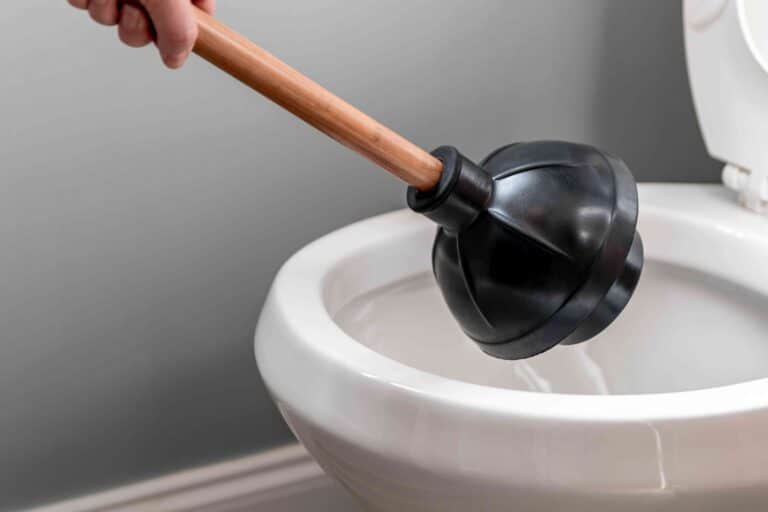
A rubber plunger is technically a mechanical tool, not a chemical, and it belongs in the natural toolkit. Many people use it incorrectly, which is why it fails and they give up too soon.
Correct technique:
- Use a flange plunger (the one with a rubber extension at the bottom) for toilets, not a flat-cup sink plunger.
- Insert the plunger so the flange extends into the drain opening and the cup seals around it.
- Push down slowly to release trapped air, then plunge with firm, controlled strokes.
- Maintain the seal throughout. Breaking the seal between strokes reduces effectiveness.
- After 10-15 strokes, pull up sharply. This reverse suction often dislodges the clog.
Combining plunging with a prior application of dish soap significantly improves success rates. The soap lubricates the pipe walls so the loosened clog slides through more easily.
If you are dealing with recurring toilet issues beyond what a plunger can handle, reaching out to a toilet repair los angeles professional can help diagnose whether the problem lies deeper in your drain line.
Natural vs. Chemical Drain Solutions: A Quick Comparison
| Method | Cost | Safety | Best For | Time Required |
|---|---|---|---|---|
| Dish soap + hot water | Under $1 | Very safe | Light clogs, toilet paper | 10-20 minutes |
| Baking soda + vinegar | Under $2 | Very safe | Organic buildup | 30-90 minutes |
| Enzyme-based cleaner | $8-$15 | Safe | Recurring buildup | Overnight |
| Chemical drain cleaner | $5-$12 | Risky | Severe clogs | 15-30 minutes |
| Plunger | $5-$25 (tool) | Safe | Most standard clogs | 5-15 minutes |
| Professional snake/hydro-jet | $150-$400+ | Professional | Deep blockages | Same-day |
Enzyme-based drain cleaners deserve a special mention here. Products like Bio-Clean or Green Gobbler Enzyme Cleaner use natural bacterial cultures to consume organic waste in pipes. They are slower than chemical options but are genuinely safe for septic systems and older pipes, making them a solid monthly maintenance option.
When Natural Methods Are Not Enough
Natural approaches have real limits. If you have tried two or three methods and the toilet is still clogged after several hours, the blockage may be caused by something that soap and vinegar simply cannot dissolve, such as:
- A solid foreign object (toys, wipes, excessive toilet paper rolls)
- A blockage in the main drain line, not just the toilet
- Tree root intrusion in outdoor sewer lines
- A partial pipe collapse in older clay or cast-iron systems
If the clog has not budged after a full day of natural treatment, or if water is backing up into other fixtures (like your tub or sink draining slowly at the same time), that is a sign of a main sewer line issue. In that situation, an emergency plumber los angeles can respond quickly before raw sewage backs up into your home.
For properties dealing with recurring slow drains throughout the house, scheduling a professional drain cleaning service los angeles with hydro-jetting equipment can clear the entire line in a single visit.
Preventing Future Clogs Before They Start
Knowing how to unclog a toilet naturally is useful, but reducing how often you face the problem is even better. Most U.S. households deal with toilet clogs because of habits that are easy to change.
Common clog causes and fixes:
- Too much toilet paper at once: Fold and flush in smaller amounts, especially with 2-ply or 3-ply paper.
- Flushing wipes: Even “flushable” wipes do not break down the way toilet paper does. Dispose of them in the trash.
- Mineral buildup: Hard water deposits in Los Angeles and surrounding areas narrow pipe openings over time. Monthly baking soda treatments slow this down.
- Old low-flow toilets: First-generation low-flow models from the 1990s often lack the flush pressure to clear solid waste consistently. A shower installation los angeles contractor who handles bathroom fixture upgrades can also advise on replacing outdated toilet models.
- Tree roots: If you live in an older home with mature trees in the yard, root intrusion is a real concern. Annual drain inspections catch these issues before they become severe.
For business owners, toilet clogs in commercial restrooms represent both a hygiene risk and a liability issue. A dedicated commercial plumbing los angeles service offers scheduled maintenance programs that keep high-traffic restrooms functioning reliably year-round.
Frequently Asked Questions
Q: How long should I let the baking soda and vinegar mixture sit in the toilet?
For best results, let the mixture sit for at least 30 minutes, though leaving it for several hours or overnight significantly improves effectiveness on stubborn clogs.
The carbon dioxide reaction finishes quickly, but the residual fizzing continues to work on softening the material in the drain. An overnight soak gives the mixture the most contact time with the blockage. Check the bowl in the morning and follow up with a bucket of hot water before flushing.
Q: Is it safe to use baking soda and vinegar in a toilet with a septic system?
Yes, baking soda and vinegar are both safe for septic systems and will not harm the bacterial environment your tank needs to process waste.
Unlike chemical drain cleaners that kill off beneficial bacteria, these natural ingredients are pH-neutral enough to pass through without causing damage. In fact, baking soda is sometimes recommended as a regular septic maintenance additive to keep odors down and pH balanced.
Q: Can dish soap really unclog a toilet, or is it just an internet myth?
Dish soap genuinely works on many soft clogs because it lubricates the pipe walls and reduces friction, allowing the clog to slide through more easily.
It is not a guaranteed fix for every situation, and it will not dissolve solid objects. But for toilet paper clogs or light organic blockages, dish soap combined with hot water clears the drain in the majority of cases when tried correctly.
Q: What is the fastest natural method to unclog a toilet in an emergency?
The fastest natural approach is the dish soap and hot water method, which can start showing results in as little as 10 to 15 minutes.
Pour 1/4 cup of dish soap directly into the bowl, wait 10 minutes, then add a gallon of hot (not boiling) water from waist height. Follow up with plunging if the clog begins to move but does not fully clear. This combination handles the majority of standard toilet paper clogs quickly.
If you have a specific commercial plumbing need not listed here, please call us to discuss your requirements.
Q: How many times should I try natural methods before calling a plumber?
If two or three natural methods applied over a few hours have not produced any improvement, it is time to call a plumber.
Persistent clogs that do not respond to hot water, dish soap, and baking soda typically indicate a deeper obstruction that household remedies cannot reach. If other drains in the house are also running slowly at the same time, call a professional immediately, as this usually points to a main sewer line problem.
Things to Know
- Never use boiling water (212°F) in a porcelain toilet. Water above 150°F can crack the bowl or damage the wax ring seal at the base.
- Dish soap works faster if you let it sit for at least 10 minutes before adding hot water. Rushing the process cuts effectiveness.
- Baking soda and vinegar do not work well on clogs caused by solid objects. The chemical reaction only affects organic, dissolvable material.
- If your toilet gurgles when you run the sink or shower, that gurgling signals a venting or main line issue, not just a toilet clog.
- Hydrogen peroxide (3% household grade) can substitute for vinegar in the baking soda method and is slightly more effective on mineral scale.
- The brand of dish soap does not significantly affect results. Any standard grease-cutting liquid dish soap works.
The Bottom Line on How to Unclog a Toilet Naturally
Knowing how to unclog a toilet naturally means you have a reliable set of tools for handling one of the most common household headaches without spending money on chemical cleaners or waiting for a service call. Start with dish soap and hot water, move to baking soda and vinegar if needed, and use a proper flange plunger as your mechanical backup. Most minor clogs respond to at least one of these approaches within a few hours.
When natural methods do not get the job done after a reasonable effort, that is not a failure. It is a sign that the problem is beyond what household remedies can address. At that point, calling a licensed professional is the smart, practical move that protects your home and keeps a manageable situation from turning into a serious plumbing emergency.