
Hard water effects on plumbing are responsible for billions of dollars in pipe damage, appliance failure, and wasted energy across the United States every year. If you live in Los Angeles or anywhere in Southern California, your water supply carries some of the highest mineral concentrations in the country, which means your pipes, water heater, and fixtures are under constant stress.
Key Takeaways
- Hard water contains dissolved calcium and magnesium that build up inside pipes and restrict water flow over time.
- Los Angeles water ranks among the hardest in the nation, with hardness levels often exceeding 200 mg/L.
- Scale buildup can reduce water heater efficiency by up to 30%, directly raising your monthly energy bill.
- Older galvanized and copper pipes are especially vulnerable to mineral deposits and corrosion.
- Whole-house water softeners and descaling treatments are the most effective long-term solutions.
- Catching scale buildup early prevents costly pipe replacement and appliance failure down the road.
What Hard Water Actually Does Inside Your Pipes
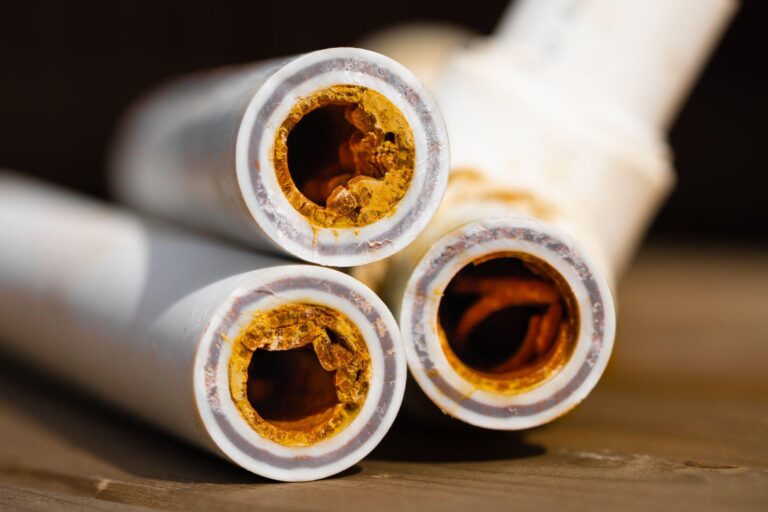
Hard water refers to water that carries high concentrations of dissolved minerals, primarily calcium carbonate and magnesium. When this water flows through your home’s plumbing system, those minerals do not simply pass through. Instead, they deposit on interior pipe walls, faucet aerators, showerheads, and water-using appliances every single day.
Los Angeles water carries a heavy mineral load, and scale builds up differently depending on what your pipes are made of. It is worth knowing how each pipe material handles hard water before committing to a repipe.
The process works like this: as water heats up or slows down inside your pipes, the dissolved calcium and magnesium precipitate out of solution and bond to surfaces. Over months and years, this creates a hard, crusty material called limescale. In a half-inch copper pipe, even a thin layer of scale, about 3/16 of an inch, can reduce water flow by up to 75%. That is not a minor inconvenience. It is a structural problem that quietly worsens until you notice dramatically reduced pressure or a pipe failure.
Mineral Hardness Levels: How Does Los Angeles Compare?
The U.S. Geological Survey classifies water hardness in grains per gallon (GPG):
| Hardness Category | GPG Range | Typical Impact |
|---|---|---|
| Soft | 0 – 1 GPG | Minimal scale buildup |
| Moderately Hard | 1 – 7 GPG | Some deposits over time |
| Hard | 7 – 10 GPG | Noticeable scale on fixtures |
| Very Hard | 10+ GPG | Serious pipe and appliance damage |
Los Angeles water typically tests between 10 and 15 GPG depending on the district and season, placing it firmly in the “Very Hard” category. This matters enormously if you own an older home with original pipe infrastructure or high-end appliances you want to protect.
The Specific Ways Scale Destroys Your Plumbing System
Understanding the hard water effects on plumbing requires looking at each component of your system individually, because the damage does not happen uniformly.
Water Heaters Take the Hardest Hit
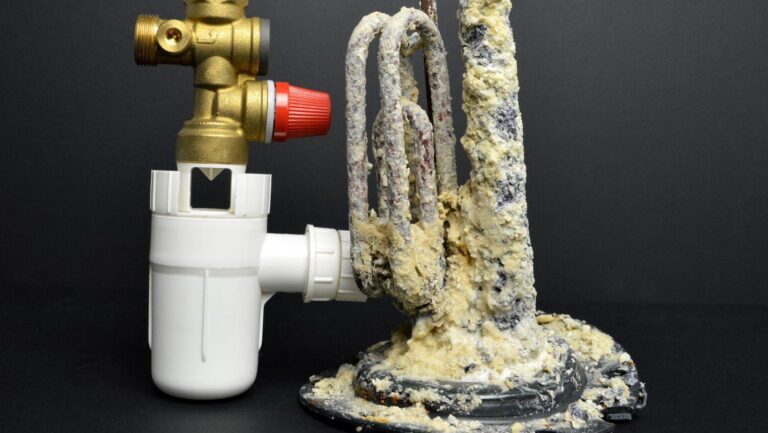
Your water heater is the single most expensive casualty of hard water. Because the heater raises water temperature significantly, mineral precipitation accelerates dramatically inside the tank. Over time, a layer of sediment collects at the bottom, forcing the heating element to work harder to transfer heat through the mineral crust. The U.S. Department of Energy estimates this can reduce heater efficiency by 20 to 30%, adding meaningfully to your monthly utility bill.
A traditional tank water heater in hard water conditions often fails 3 to 5 years earlier than its rated lifespan. You will typically notice the early warning signs through popping or rumbling sounds during heating cycles, which is the sediment layer cracking and shifting under thermal stress.
Pipe Diameter Narrows Gradually
This is the slow, invisible damage that concerns plumbers the most. Inside supply lines, scale accumulates year after year. By the time your water pressure drops noticeably, the buildup may already be severe. If you are dealing with significantly reduced pressure in your kitchen, a kitchen plumbing los angeles specialist can inspect your supply lines and determine whether scale or another issue is the root cause.
In worst-case scenarios with older galvanized steel pipes, mineral buildup combines with rust and corrosion to create blockages so severe that pipe replacement becomes the only viable solution.
Fixtures and Appliances Wear Out Faster
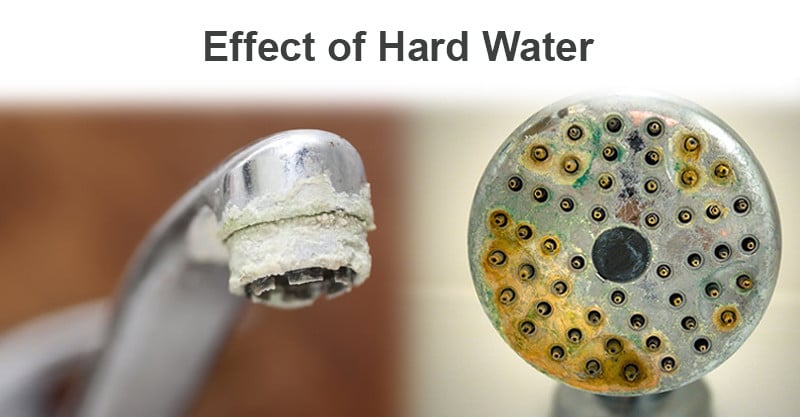
Hard water deposits clog faucet aerators and showerheads, reduce the life expectancy of washing machine and dishwasher components, and leave unsightly white stains on sinks, tubs, and toilets. Dishwashers in particular suffer from clogged spray arms, which reduces cleaning effectiveness and forces the appliance to run longer cycles. Most appliance manufacturers recommend using softened water to maintain warranty compliance, though this is rarely emphasized at the point of sale.
Things to Know
- The hardness of your water can vary by neighborhood in Los Angeles, since the Metropolitan Water District blends water from multiple sources throughout the year.
- PEX piping is less susceptible to scale adhesion than copper or galvanized steel, making it a smart choice for repipe projects in hard water areas.
- Water softeners add a small amount of sodium to your drinking water, which matters if you are on a sodium-restricted diet. A dedicated reverse osmosis filter at the kitchen tap solves this concern.
- Your homeowner’s insurance policy almost never covers damage caused by gradual mineral buildup since it is considered a maintenance issue, not a sudden event.
- California restricts the use of salt-based water softeners in some counties due to their impact on wastewater recycling systems, so check local regulations before purchasing.
- Tankless water heaters are just as vulnerable to scale damage as traditional tank heaters. Manufacturers recommend annual descaling maintenance in hard water regions.
When Hard Water Damage Becomes a Plumbing Emergency
Not all hard water damage unfolds slowly. Under certain conditions, it can trigger urgent failures that require immediate attention. When scale buildup reaches a critical point inside older pipes, the rigid crust can actually cause pipe walls to weaken from the inside out. This is particularly common in copper and galvanized steel systems installed before the 1980s.
Significant mineral deposits also create points of turbulence in water flow, which accelerates erosion on the pipe wall opposite a joint or bend. This phenomenon, called erosion corrosion, can result in pinhole leaks or sudden pipe failure. If you experience an unexpected leak or pressure loss, contacting an emergency plumber los angeles as soon as possible can mean the difference between a repair and a full-scale water damage restoration project.
Water damage from burst or leaking pipes in a Los Angeles home can easily run into $10,000 to $50,000 or more depending on scope, and a significant portion of those emergency calls are traced back to years of untreated hard water damage.
Repiping and Pipe Bursting: The Two Major Repair Paths
Once hard water damage has progressed beyond surface-level treatment, you are generally looking at one of two major intervention options: full repiping or trenchless pipe bursting.
Full Repiping
Repiping involves replacing all or a significant portion of your home’s supply lines with new pipe material, typically PEX or copper. This is the most thorough solution and gives you a clean start with pipes that have no existing scale accumulation. If you are experiencing widespread low pressure, frequent leaks, or discolored water throughout your home, you can learn more about repiping services los angeles to understand what the process involves and what it costs in the LA market.
Repiping costs in Los Angeles typically range from $4,000 to $15,000 depending on home size, pipe material chosen, and accessibility. While that is a significant investment, it is often less expensive than the cumulative cost of repeated repairs and water damage.
Trenchless Pipe Bursting
Pipe bursting is a trenchless technique that breaks apart an old pipe while simultaneously pulling a new pipe through the same path. It avoids the need to excavate your yard or break through finished flooring, which significantly reduces labor costs and restoration time. If your exterior supply lines have been heavily compromised by scale and corrosion, pipe bursting los angeles services offer a minimally invasive way to restore full flow capacity without tearing apart your landscaping or driveway.
The right choice between repiping and pipe bursting depends on the location of the damage, the age of your existing pipe material, and the extent of the mineral buildup. A qualified plumber can scope your pipes with a camera inspection to assess the situation before recommending a course of action.
Practical Prevention Strategies That Actually Work
Prevention is far less expensive than repair. Here are the most effective strategies for Los Angeles homeowners dealing with hard water:
- Install a whole-house water softener. Ion exchange softeners replace calcium and magnesium ions with sodium ions, preventing scale from forming inside your pipes. Systems start around $800 to $2,500 installed.
- Add a phosphate feeder or descaler. These devices do not remove minerals but change their molecular structure so they are less likely to adhere to pipe walls. They are a lower-cost option for homes with moderate hardness.
- Flush your water heater annually. Draining the tank once a year removes sediment before it hardens into a permanent crust. This simple step can add years to the heater’s life.
- Install a sediment filter on the main supply line. This catches particulates before they reach your appliances and fixtures.
- Check faucet aerators and showerheads every 6 months. Soaking them in white vinegar overnight dissolves most light scale buildup before it becomes a flow restriction problem.
- Have your pipes camera-inspected every 5 to 7 years. This is especially important for homes built before 1990 with original galvanized or copper supply lines.
Frequently Asked Questions
Q: How can I tell if hard water is already damaging my pipes?
The most common signs include white crusty buildup around faucets, reduced water pressure, discolored water, and frequent water heater issues.
If you notice your water pressure has dropped gradually over the past year or two, or if you see visible mineral deposits on fixtures throughout the house, scale accumulation is likely already significant. A professional camera inspection of your supply lines will confirm the extent of the buildup inside the pipes.
Q: Does hard water cause pipe corrosion, or just blockages?
Hard water can contribute to both blockages from mineral deposits and certain types of pipe corrosion, particularly in galvanized steel systems.
In copper pipes, high mineral content can actually create a protective carbonate layer in some conditions, but it can also cause pitting corrosion if the pH and mineral balance are unfavorable. In older galvanized pipes, hard water accelerates the breakdown of the zinc lining, which leads to rust contamination and eventual failure.
Q: How much does a whole-house water softener cost in Los Angeles?
A quality whole-house water softener installed in a Los Angeles home typically costs between $1,000 and $3,500 depending on system capacity and brand.
Larger homes with multiple bathrooms require higher-capacity systems that process more grains of hardness per day. Operating costs include salt refills, typically $10 to $20 per month, and occasional maintenance on the resin bed. The investment usually pays for itself within a few years through reduced appliance repair costs and energy savings.
Q: Can I reverse hard water pipe damage without replacing the pipes?
Mild to moderate scale buildup can sometimes be treated with chemical descaling or hydro-jetting, but severe buildup typically requires pipe replacement.
Hydro-jetting uses high-pressure water to blast scale off the interior walls of pipes. It is most effective on larger-diameter pipes and can restore meaningful flow in situations that have not yet reached critical blockage. For pipes that are heavily scaled or structurally compromised, repiping or pipe bursting is the more reliable long-term solution.
If you have a specific commercial plumbing need not listed here, please call us to discuss your requirements.
Q: Is Los Angeles tap water safe to drink despite its high mineral content?
Yes, Los Angeles tap water meets all federal Safe Drinking Water Act standards and is safe to consume, though its high mineral content does create real plumbing maintenance challenges.
The Los Angeles Department of Water and Power publishes an annual water quality report that confirms the safety of the municipal supply. The issue with hard water in LA is not health risk from the minerals themselves but the cumulative mechanical damage those minerals cause inside your home’s plumbing system over time.
The Bottom Line on Hard Water Effects on Plumbing
Hard water effects on plumbing are not a dramatic, sudden problem, which is exactly what makes them so costly for homeowners who ignore them. The damage builds slowly, year after year, until you are facing a water heater failure, a burst pipe, or a full repipe project that could have been partially avoided with earlier action.
If you own a home in Los Angeles, your water is genuinely hard by national standards, and that makes regular maintenance more important, not optional. Start with a water quality test to understand exactly what you are dealing with, explore your softening options, and schedule a pipe inspection if your home is more than 20 years old. You can also visit Expertise Plumbing to explore local plumbing services that handle hard water damage assessment and repair across the LA area. The earlier you address the problem, the more money and stress you save in the long run.