

Copper piping typically costs $2 to $4 per linear foot for materials alone, while PEX piping runs $0.50 to $2 per linear foot, making PEX the more budget-friendly option upfront. However, the full copper vs pex piping cost comparison goes well beyond material price tags and includes labor, lifespan, local codes, and long-term maintenance expenses.
Key Takeaways
Copper piping typically costs $2 to $4 per linear foot for materials alone, while PEX piping runs $0.50 to $2 per linear foot, making PEX the more budget-friendly option upfront. However, the full copper vs pex piping cost comparison goes well beyond material price tags and includes labor, lifespan, local codes, and long-term maintenance expenses.
What You Are Actually Paying for With Each Pipe Material
Before breaking down numbers, it helps to understand what drives pricing for each material in the first place.
Copper is a commodity metal, which means its price fluctuates based on global markets. As of 2024, copper pipe material costs roughly $2 to $4 per linear foot for standard half-inch type-L copper, which is the most common residential grade. Type-K copper, used in underground and heavy-duty applications, runs higher at $3 to $5 per linear foot. Because copper is rigid, installation requires soldering or press-fit fittings, each of which adds labor time and material cost.
PEX, or cross-linked polyethylene, is manufactured from petroleum-derived materials and typically costs $0.50 to $2 per linear foot depending on the brand, diameter, and type. There are three main varieties: PEX-A is the most flexible and expensive, PEX-B is the most widely used and cost-effective, and PEX-C is less common in residential builds. PEX connects using crimp rings, clamp rings, or expansion fittings, all of which are faster to install than soldered copper joints, and our team at can handle both types of installations.
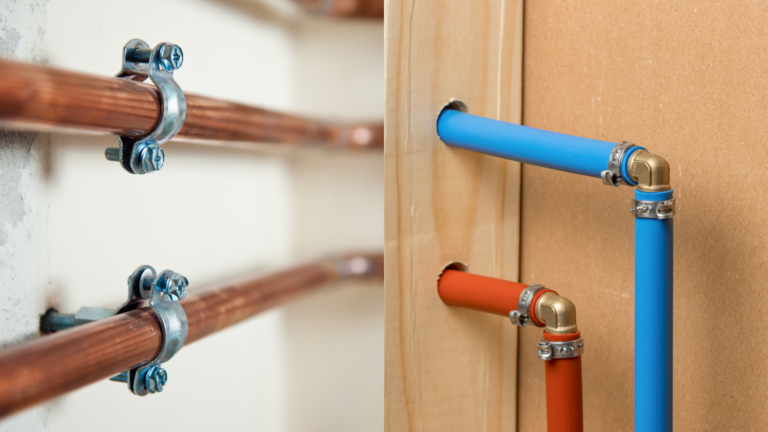
The labor gap is where the cost difference really widens. A licensed plumber in a major U.S. city typically charges $75 to $150 per hour. Copper installation requires cutting, deburring, cleaning, fluxing, and soldering each joint, a process that adds roughly 20 to 30 minutes per connection. PEX connections using a crimp or expansion tool take 5 to 10 minutes each. On a full home repipe with 50 or more connections, that time difference translates directly into hundreds or even thousands of dollars in your final bill.
Breaking Down the Full Installation Cost by Project Type
Not all plumbing projects are the same, and the material choice affects total cost differently depending on the scope of work.
New Construction
In a new home build, PEX is increasingly the default choice among contractors because of its lower cost and faster installation. For a 2,000 square foot home, a full PEX plumbing system might cost $4,000 to $6,000 installed, while the same layout in copper could run $8,000 to $14,000 or more depending on copper market prices at the time of purchase.
Whole-Home Repipe
Repiping an existing home is one of the most impactful plumbing upgrades you can make, especially in older properties with galvanized or deteriorating pipe. PEX is dramatically easier to run through existing walls without opening large sections of drywall, because its flexibility allows it to bend around obstacles and snake through cavities. For a 3-bedroom home in the Los Angeles area, a full PEX repipe typically costs $4,000 to $8,000, while a copper repipe can reach $10,000 to $20,000, and professional water heater installation los angeles services can be coordinated at the same time.
Partial Repairs and Spot Fixes
For small section replacements, copper remains a common choice in homes that already use copper throughout, since mixing materials can create compatibility concerns and reduce system uniformity. That said, short PEX sections with the right transition fittings work fine in hybrid systems.
| Cost Factor | Copper | PEX |
|---|---|---|
| Material cost per linear foot | $2 to $4 | $0.50 to $2 |
| Labor cost per linear foot | $2 to $6 | $0.50 to $2 |
| Total installed cost per linear foot | $4 to $10 | $1 to $4 |
| Full home repipe (2,000 sq ft) | $10,000 to $20,000 | $4,000 to $8,000 |
| Lifespan (average) | 50 to 70 years | 25 to 50 years |
| DIY-friendly | Moderate (requires soldering) | Yes (with basic tools) |
| Recyclable at end of life | Yes | Limited |
Long-Term Costs: Maintenance, Durability, and Failure Risks
The upfront copper vs pex piping cost comparison does not tell the whole story. What happens over 10, 20, or 40 years matters just as much as what you spend on day one.
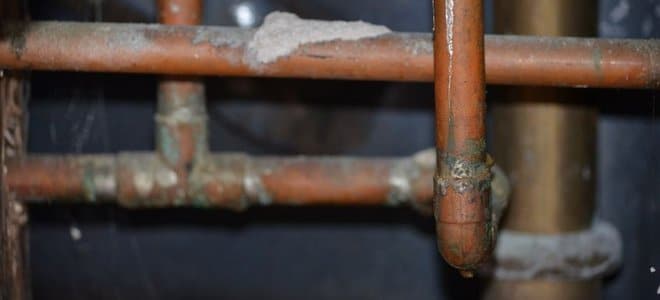
Copper has a proven track record spanning over a century of residential use in the U.S. It resists UV degradation, holds up well in high-temperature applications, and is fully recyclable, which can offset replacement costs at end of life. However, copper is vulnerable to pitting corrosion when water has a low pH (below 6.5), a condition not uncommon in certain regions of the country. Pinhole leaks from corrosion are one of the most common reasons homeowners in areas with aggressive water chemistry call an emergency plumber los angeles for urgent repairs.
PEX is immune to corrosion and mineral buildup, and it handles freezing better than copper because it can expand and contract without cracking. However, PEX degrades when exposed to UV light, which means it cannot be used outdoors or in uninsulated spaces exposed to sunlight. Chlorinated water can also slowly degrade PEX over time, though modern formulations have largely addressed this concern. PEX also cannot be recycled easily, so disposal at end of life carries an environmental cost.
One hidden long-term cost worth mentioning: insurance and resale value. Some home insurers offer slightly lower rates for homes with newer PEX systems because the failure risk from freeze-related cracking is lower. On the flip side, buyers in high-end real estate markets sometimes perceive copper as a premium feature, which can add perceived value during resale.
Things to Know
- Copper prices are tied to commodity markets, so the same project quoted in January could cost more in July if copper prices spike.
- PEX cannot be used for outdoor above-ground applications or anywhere exposed to direct sunlight without protective conduit.
- In some California municipalities, specific building codes may still require copper for certain water service line applications, so always check local permit requirements before selecting your material.
- PEX-A (made using the Engel method) is the most flexible and freeze-resistant type, but it costs roughly 30% more than PEX-B.
- Mixing copper and PEX requires dielectric or transition fittings to prevent galvanic corrosion at connection points.
- If your water test shows pH below 6.5, copper is a higher-risk choice and PEX is almost always the smarter call.
Regional Considerations That Affect Your Final Cost
Where you live plays a significant role in what your project ultimately costs and which material makes more sense.
In Southern California, where seismic activity is a real concern, PEX has gained strong favor because of its flexibility during ground movement. Rigid copper joints can crack or separate in an earthquake, while PEX’s elasticity allows it to move without failing. This is one reason many Los Angeles-area plumbers now default to PEX on repipe projects.
Water quality also varies by zip code. Southern California water is notoriously hard, with high mineral content that can cause calcium buildup inside copper pipes over time, gradually restricting flow. This is also why scheduling regular drain cleaning service los angeles is recommended for homes in the region, since mineral deposits accumulate not just in pipes but in fixture aerators and drain lines as well.
For homeowners upgrading their systems, combining a repipe project with a water heater installation or addressing sewer repair los angeles can often save money by bundling labor costs into a single service call rather than scheduling two separate projects.
When Copper Still Makes More Sense Than PEX
Despite PEX’s cost advantages, there are specific situations where copper remains the better call.
If your home uses radiant floor heating, copper is generally preferred for the boiler connections and primary supply lines because of its superior heat tolerance. For outdoor hose bibs or above-ground exterior piping in direct sunlight, copper is the only practical metal option without adding UV-protective conduit. In commercial applications or high-pressure industrial settings, copper often meets code requirements that PEX does not.
Historic home renovations can also favor copper. A 1920s craftsman in Pasadena or a 1940s bungalow in Silver Lake is already plumbed in copper, and local historic preservation guidelines or HOA covenants may specify maintaining original materials. In those cases, your choice is already made for you.
Additionally, if you need to address sewer-related issues alongside your pipe project, the material selection for supply lines is a separate decision from sewer infrastructure. A professional sewer repair specialist can assess whether the sewer line condition affects your overall project scope or timeline.
Ready to Make a Final Decision on Your Piping Project?
Get a written quote from a licensed plumber that breaks out material cost, labor cost, and permit fees separately. This single step lets you see exactly where your money is going and makes comparing bids from multiple contractors straightforward. If you are in the Los Angeles area, visit a trusted local plumbing provider to connect with experienced professionals who can assess your specific home, water quality, and budget before recommending copper or PEX.
Frequently Asked Questions
Q: Is PEX piping safe for drinking water?
Yes, PEX piping is certified as safe for potable water use in the United States under NSF/ANSI 61 standards.
Both PEX-A and PEX-B are widely used in residential water supply systems across the country. Some early PEX formulations had concerns about leaching plastic taste or odor into water, but modern certified PEX products meet the same safety standards as copper for drinking water applications.
Q: How long does PEX piping actually last compared to copper?
PEX piping is rated for 25 to 50 years of service life, while copper typically lasts 50 to 70 years under normal conditions.
The gap narrows significantly in regions with aggressive water chemistry, where copper can fail within 15 to 20 years due to pitting corrosion. PEX’s longevity is largely unaffected by water pH, making it the more consistent performer across different water quality environments.
Q: Can you use PEX for the main water service line coming into your home?
PEX can be used for underground service lines in most U.S. jurisdictions, but it must be sleeved or run through conduit in some applications.
Some municipal water authorities require Type K copper or specific HDPE pipe for the section between the water main and the home’s shutoff. Always pull the required permit and check with your local water authority before making the final material decision for the service line.
Q: Does switching from copper to PEX affect home resale value?
A complete PEX repipe generally has a neutral to slightly positive effect on resale value because it signals updated, modern plumbing to buyers.
Buyers and home inspectors view a repipe in any quality material as an upgrade compared to aging galvanized or deteriorating original pipe. In luxury real estate markets, copper is sometimes perceived as premium, but the difference in buyer behavior is minimal in most price brackets.
If you have a specific commercial plumbing need not listed here, please call us to discuss your requirements.
Q: What is the biggest mistake homeowners make when choosing between copper and PEX?
The most common mistake is choosing based on material cost alone without accounting for labor, local water conditions, or building code requirements.
A homeowner who selects copper to get the longest possible lifespan without checking local water pH could end up with pinhole leaks within a decade, turning the premium investment into a costly error. Always start with a water quality test and a conversation with a licensed plumber before locking in your material choice.
The Bottom Line on Best Plumber Northridge CA
he full copper vs pex piping cost comparison reveals that PEX wins decisively on upfront price in nearly every scenario, often costing 50% to 70% less than copper for materials and labor combined. Copper earns its place in specific situations: outdoor applications, historic restorations, high-heat systems, and locations where local codes require it.
For most homeowners doing a standard repipe or new construction build in the U.S., PEX delivers a strong combination of affordability, durability, and ease of installation that copper simply cannot match at the current price point. Start by testing your water quality, reviewing your local permit requirements, and getting two or three itemized quotes from licensed plumbers in your area. That process will give you a clear, confident answer for your specific home and budget.