
Before you tear out a single tile, understanding your plumbing is the most important step in any bathroom renovation. Bathroom remodel plumbing considerations cover everything from pipe location and water pressure to permit requirements and drain slope, and getting them wrong can turn a $10,000 project into a $25,000 nightmare. A remodel is the cheapest opportunity you will ever get to replace aging drain lines, because the walls are already open. Understanding the difference between plastic and metal drain pipe helps you decide whether it is worth doing now.
Key Takeaways
- Moving fixtures even a few feet can dramatically increase labor and material costs due to drain relocation.
- Always pull a permit before starting plumbing work; unpermitted work can block a future home sale.
- Older homes may have galvanized or cast iron pipes that need replacing before new fixtures are installed.
- Water pressure should be tested early; low pressure affects shower performance and fixture selection.
- Hiring a licensed plumber for rough-in work protects you from code violations and failed inspections.
- Venting requirements are frequently overlooked and can cause slow drains and sewer gas odors if ignored.
- Any remodel that moves plumbing needs to meet permit and code requirements. Skipping this step creates problems at resale that cost far more than the permit would have.
Why Plumbing Is the First Decision, Not the Last
Most homeowners think about tile colors and vanity styles first, but your plumbing layout should drive every other design decision. The position of your existing drain stack, supply lines, and vent pipes determines how flexible your floor plan actually is.
Moving a toilet even 12 inches off its current location requires rerouting the drain line, which typically means opening the subfloor or ceiling below. According to HomeAdvisor’s bathroom remodeling cost data, relocating a toilet can add $1,000 to $3,500 to a project budget. Moving a shower or bathtub drain carries similar costs.
If you are working with a contractor or doing your own planning, sketch out your existing fixture locations before committing to any layout change. This one step can save weeks of back-and-forth with your plumber.
The shaking didn’t just crack walls and collapse freeways. It shifted underground sewer lines off their joints, fractured water supply pipes beneath concrete slabs, and introduced stress fractures into cast iron and galvanized steel lines that have been slowly failing for over 30 years. A plumber working on a Northridge home in 2026 is not just fixing today’s problem — they are working on infrastructure that has been under compressive stress since 1994.
Beyond the earthquake legacy, Northridge has significant portions of housing stock built between the 1950s and 1975, before modern pipe materials became standard. Many of these homes still have original galvanized steel supply lines and clay sewer laterals. Hiring an underqualified contractor who doesn’t understand the local conditions can turn a $300 drain cleaning into a $6,000 excavation project.

What the Rough-In Stage Actually Involves
Rough-in plumbing is the phase where supply and drain pipes are installed or repositioned before walls and floors are closed up. This is where most of the critical work happens, and it is also where most costly mistakes are made.
Key rough-in tasks include:
- Setting drain locations and confirming proper slope (typically 1/4 inch per foot toward the stack)
- Installing or upgrading supply lines for hot and cold water
- Adding or repositioning vent pipes to comply with local code
- Pressure testing all new connections before walls close
In Los Angeles, the Los Angeles Department of Building and Safety requires permits for any work that alters drain, waste, and vent (DWV) systems. Skipping a permit may save you a day of paperwork, but it can create serious problems when you sell your home or file an insurance claim.
A team like Expertise Plumbing & Rooter can walk you through what permits are required in your specific jurisdiction before any work begins. They operate 24 hours a day and serve the greater Los Angeles area from their location at 8885 Roslyndale Ave, Arleta, CA 91331.
Pipe Material: What You Might Find Behind the Walls
The age of your home largely determines what kind of pipes you are dealing with, and that affects both your budget and your approach.
| Pipe Material | Common Era | Risk Level | Typical Action |
|---|---|---|---|
| Galvanized steel | Pre-1960s | High | Replace during remodel |
| Cast iron | Pre-1970s | Medium | Inspect, replace if corroded |
| Copper | 1960s-2000s | Low | Usually serviceable |
| PVC / CPVC | 1970s-present | Low | Generally good condition |
| PEX | 2000s-present | Very Low | Excellent, no action needed |
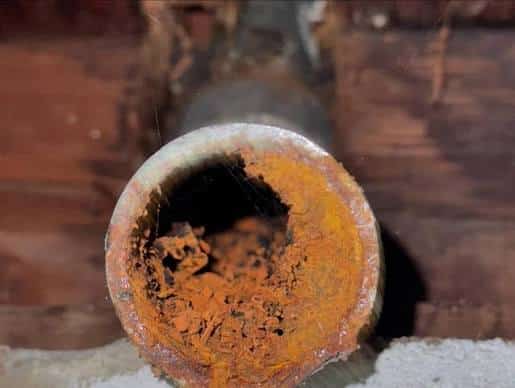
If your home was built before 1970, there is a meaningful chance you have galvanized steel pipes. These corrode from the inside out, restricting water flow and leaching rust into your water. A bathroom remodel is the ideal time to replace them because walls will already be open.
The Environmental Protection Agency’s drinking water standards also flag lead as a concern in homes built before 1986, so if your supply lines include older solder joints, have them inspected during rough-in.
Water Pressure, Flow Rate, and Fixture Compatibility
One aspect of bathroom remodel plumbing considerations that gets overlooked is water pressure. Standard residential water pressure in the U.S. runs between 40 and 80 psi, according to the American Water Works Association. If yours falls below 40 psi, a rain shower head will feel like a light drizzle no matter how expensive it is.
Before specifying fixtures, have a plumber test your supply pressure. If pressure is low, a booster pump may be needed, which adds roughly $300 to $700 to your budget. If pressure is too high (above 80 psi), a pressure-reducing valve protects your new fixtures from damage.
Flow rate matters too. Federal standards set by the U.S. Department of Energy limit shower heads to 2.5 gallons per minute, but California has stricter limits of 1.8 gpm. If you are remodeling in Los Angeles, your fixture selections must comply with California’s standards, not just federal ones.
Dealing with a related fixture issue? A licensed plumber can handle toilet repair los angeles alongside your remodel to ensure all bathroom plumbing works as a coordinated system.
Venting: The Most Forgotten Part of the System
Every drain in your bathroom needs proper venting to work correctly. Vents allow air into the drainage system, which prevents the water seal in your P-traps from being siphoned away. When that seal is gone, sewer gas enters your home.
Common venting mistakes during a bathroom remodel include:
- Failing to vent a relocated toilet or shower drain
- Using an air admittance valve where code requires a dedicated vent
- Venting into an attic space instead of through the roof
If you are expanding your bathroom or adding a second bathroom, your existing vent stack may not have the capacity to handle the added load. This is especially important in older Los Angeles homes where drain systems were originally sized for fewer fixtures.
While your plumber is on site for bathroom work, it is also worth asking about drain cleaning service los angeles to clear any buildup in existing drain lines before the new work ties into them.
Connecting Your Bathroom Project to the Bigger Plumbing Picture
A bathroom remodel rarely exists in isolation. The supply lines feeding your new fixtures share the same system as your kitchen and laundry. If your overall water pressure is marginal, adding a high-flow shower system could affect flow at the kitchen sink.
If you are also upgrading your kitchen in the same renovation cycle, it helps to have the same plumbing team handling both. Services like kitchen plumbing los angeles can be coordinated with your bathroom work to minimize overall disruption and cost.
For property owners managing larger projects, it is also worth noting that commercial plumbing los angeles services are available for multi-unit buildings or mixed-use properties where bathroom upgrades affect multiple units or shared risers.
Things to Know
- A bathroom remodel permit in Los Angeles typically costs between $100 and $500 depending on project scope and valuation.
- Shower pan liners and waterproofing membranes must be tested before tile work begins; this is a separate inspection step.
- Most Los Angeles remodels require a minimum 3-inch drain for toilets; 2-inch lines are only acceptable for sinks and showers in most configurations.
- Tankless water heaters require updated gas or electrical lines and may affect your bathroom remodel timeline.
- Accessibility upgrades such as barrier-free showers may trigger additional ADA or California code requirements in rental properties.

Ready to Plan Your Bathroom Renovation?
Call Expertise Plumbing & Rooter at (888) 807-7069 before your project starts. Request a rough-in consultation so a licensed plumber can walk your space, identify any pipe or venting issues, and give you a written scope of work you can share with your general contractor.
Frequently Asked Questions
Q: Do I need a permit for bathroom plumbing changes in Los Angeles?
Yes, any work that alters drain, waste, vent, or supply lines requires a permit in Los Angeles.
The Los Angeles Department of Building and Safety enforces this rule for both structural and plumbing changes. Unpermitted work can result in fines and must often be redone to pass inspection before a home can be sold.
Q: How much does it cost to move a toilet during a bathroom remodel?
Relocating a toilet typically costs between $1,000 and $3,500 in the Los Angeles area.
This cost covers opening the subfloor, rerouting the drain line, and reconnecting the vent stack. The final price depends on the distance of the move and whether your existing pipes need to be replaced.
Q: Can I reuse my existing supply lines during a remodel?
You can reuse them if they are in good condition, but a remodel is the best time to upgrade.
Copper and PEX lines in good shape can typically be extended or reconnected to new fixtures. Galvanized lines should be replaced outright since they are already past their useful service life.
Q: What is the difference between a wet wall and a regular wall in bathroom plumbing?
A wet wall is a thicker interior wall that conceals the main drain stack and supply lines running vertically through your home.
Identifying your wet wall before planning your layout is critical. Moving fixtures away from the wet wall increases plumbing complexity and cost significantly.
If you have a specific commercial plumbing need not listed here, please call us to discuss your requirements.
Q: How long does rough-in plumbing take for a bathroom remodel?
Rough-in plumbing for a standard bathroom typically takes one to three days, depending on the scope of changes.
Simple fixture replacements in the same location can be completed in a single day. Projects involving drain relocation, new vent runs, or pipe replacement will take longer and require scheduled inspections.
The Bottom Line on Bathroom Remodel Plumbing Considerations
Plumbing is not the flashiest part of a bathroom renovation, but it is the foundation every other decision rests on. From pipe material and drain slope to water pressure and venting, getting these details right at the start protects your investment for decades.
Take the time to consult a licensed plumber before your design is finalized. It is far easier to adjust a floor plan before demolition than to discover a hidden problem after the walls are open. Expertise Plumbing & Rooter is available 24 hours a day at (888) 807-7069 and serves homeowners throughout the Los Angeles area.