

If your home has discolored water, persistent low pressure, or pipes that leak repeatedly, these are clear signs you need to repipe your house. Ignoring these warnings can lead to structural water damage, mold growth, and repair costs that far exceed what a full repipe would have run you.
Key Takeaways
- Rusty or brown water coming from your taps is one of the most reliable indicators that your pipes are corroding from the inside.
- Low water pressure throughout your entire home, not just one fixture, often points to widespread pipe deterioration.
- Homes built before 1970 are far more likely to have galvanized steel or polybutylene pipes that have already exceeded their lifespan.
- A full repipe typically costs between $4,000 and $15,000 depending on home size and pipe material — a fraction of what major water damage repairs can cost.
- PEX and copper are the two most common repiping materials today, each with distinct trade-offs worth understanding before you commit.
- Catching these warning signs early gives you time to plan the work, budget properly, and avoid emergency pricing.
What Your Water Is Trying to Tell You
Water quality is one of the fastest ways your plumbing system communicates a problem. If you turn on your kitchen faucet and the water runs brown, yellow, or reddish, that discoloration almost always comes from rust or sediment inside deteriorating pipes. According to the U.S. Environmental Protection Agency’s guidance on drinking water quality, discolored water should never be ignored, especially when it appears consistently across multiple fixtures.
Beyond color, pay attention to taste and smell. Water that smells metallic or has an off-putting taste is another red flag tied to pipe corrosion. Galvanized steel pipes, common in homes built before the 1960s, corrode from the inside out. Once that process begins, no amount of pipe patching will stop it permanently.
Low water pressure is equally telling. A single fixture with poor pressure often means a localized clog. But if you notice weak flow at every faucet, every showerhead, and every appliance simultaneously, the issue is systemic. Mineral buildup, corrosion, and pinhole leaks all reduce pressure across the entire system over time through processes that professional plumbers at understand and can address directly.

Pipe Age and Material: Why They Matter More Than You Think
The age and material of your pipes matter enormously when evaluating whether a repipe is necessary. Here is a breakdown of the most common pipe types found in U.S. homes and their expected lifespans:
| Pipe Material | Typical Lifespan | Common Issues |
|---|---|---|
| Galvanized Steel | 20-50 years | Rust, corrosion, reduced flow |
| Polybutylene | 10-15 years | Brittleness, chemical degradation |
| Copper | 50-70 years | Pinhole leaks, corrosion in acidic soil |
| PEX | 40-50+ years | UV sensitivity, limited outdoor use |
| CPVC | 50-75 years | Cracking, chemical sensitivity |
If your home was built before 1980 and has never had the plumbing replaced, there is a strong chance the pipes are at or past their service life. Polybutylene pipes, which were widely installed between 1978 and 1995, are particularly problematic. They degrade when exposed to oxidants in public water supplies, and class-action litigation in the 1990s confirmed just how widespread the failure problem was, as documented by legal history tracked by the American Bar Association.
Understanding your options is important before starting any project, and comparing pex vs copper repiping can help you make an informed decision about which material suits your home, budget, and local water chemistry.
Visible and Hidden Leak Patterns You Should Not Dismiss
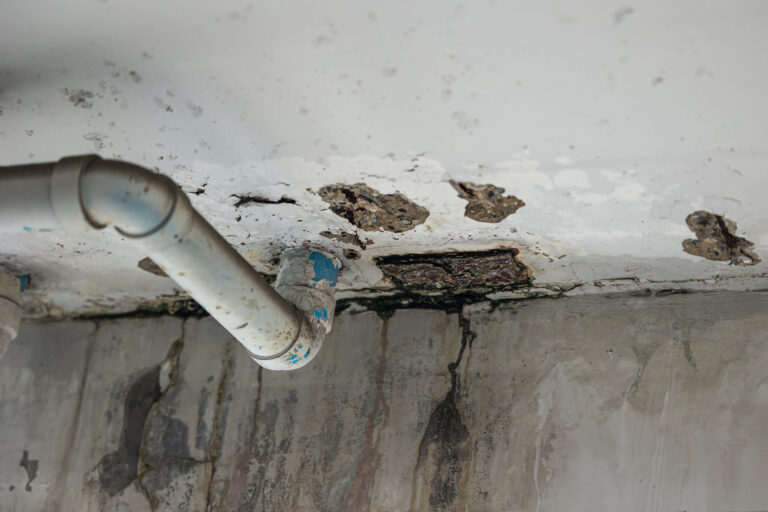
Leaks are among the most obvious signs you need to repipe your house, but they are not always easy to find. Some leaks are visible: water stains on ceilings, wet spots on walls, or puddles under sinks. Others hide inside walls and under slabs for months before they surface.
The Mayo Clinic and public health researchers have consistently linked prolonged water intrusion inside homes to mold growth, which can trigger respiratory issues, especially in children and older adults. If you are seeing recurring mold patches despite fixing individual leaks, the underlying pipe system likely has multiple failure points.
Pay attention to your water bill as well. A sudden, unexplained spike in monthly usage, without any change in household habits, is a strong signal of a hidden leak. The U.S. Geological Survey’s water use data estimates the average American household uses about 80-100 gallons per person per day. If your bill reflects significantly more, investigate immediately.
For homes with older sewer lines showing failure alongside supply pipe issues, pipe bursting los angeles is a trenchless method worth exploring for lateral line replacement without tearing up your yard.
Repiping Costs and What Influences the Final Price
One of the most common reasons homeowners delay repiping is uncertainty about cost. Getting a clear picture before calling a contractor helps you budget with confidence, and understanding repiping a house cost is crucial for making informed decisions, but here are the primary factors that move the price:
- Home size: A 1,200-square-foot home costs significantly less to repipe than a 3,000-square-foot property.
- Number of fixtures: More bathrooms, kitchens, and utility connections increase labor time.
- Pipe material chosen: Copper typically runs higher than PEX due to material costs.
- Wall access complexity: Homes with concrete slabs or tightly packed walls require more labor.
- Permit fees: In Los Angeles County, permits are required for full repipes and add to the total.
Most homeowners in the Los Angeles area pay between $8,000 and $15,000 for a full repipe, though smaller homes can come in lower. According to HomeAdvisor’s national cost data, the national average sits around $7,500, with significant variation by region and material.
Things to Know
- Galvanized pipes do not just rust on the outside. Interior corrosion narrows the pipe diameter over decades, which is why pressure often drops gradually rather than all at once.
- A single pinhole leak in copper pipe does not always require a full repipe, but multiple pinholes in different locations usually do.
- Repiping is generally considered a home improvement that increases resale value and may be worth disclosing to buyers as a recent upgrade.
- In California, all plumbing work above a certain dollar threshold requires a licensed contractor and a permit. Unlicensed work can void your homeowner’s insurance.
- Water hammer, that banging sound when you shut off a faucet quickly, can accelerate joint failure in older pipes over time.

Schedule Your Repipe Assessment With a Licensed Los Angeles Plumber
If any of these warning signs match what you are seeing at home, waiting will only increase your risk of a major water loss event. Expertise Plumbing & Rooter, located at 8885 Roslyndale Ave, Arleta, CA 91331, provides full repiping services los angeles for residential properties across the greater Los Angeles area. Their team is available 24 hours a day, seven days a week, so you are never left dealing with a plumbing emergency alone. Call (888) 807-7069 today and ask about scheduling a free pipe assessment so you know exactly where your system stands.

Frequently Asked Questions
Q: How long does a full house repipe take?
Most residential repipes take between two and five days depending on home size and pipe material.
A smaller single-story home with straightforward wall access may be finished in two days, while a two-story home with complex layouts can take longer. Your plumber should give you a written timeline before work begins.
Q: Will I need to leave my home during repiping?
You can usually stay in your home during a repipe, though water will be shut off during working hours.
Most crews restore water access at the end of each workday so your household can function normally in the evenings. Dust and drywall repair are the primary disruptions to expect.
Q: Does homeowner's insurance cover repiping?
Standard homeowner’s insurance does not typically cover repiping as a preventive measure, but it may cover sudden pipe damage.
If a pipe bursts and causes water damage, your policy may cover the resulting repairs. Preventive repiping is generally considered a maintenance expense rather than an insurable event.
Q: What is the best pipe material for a Los Angeles home?
PEX is widely used in Los Angeles repiping projects because it handles temperature swings well and is more flexible in tight spaces.
Copper remains a strong option for its longevity and proven track record. Your choice should factor in local water chemistry, budget, and contractor preference. Consulting a licensed plumber familiar with your area is the best starting point.
If you have a specific commercial plumbing need not listed here, please call us to discuss your requirements.
Q: How do I know if my house has polybutylene pipes?
Polybutylene pipes are typically gray and stamped with the code “PB2110” along the pipe surface.
They were commonly installed in U.S. homes between 1978 and 1995. If you are unsure, a licensed plumber can inspect your system and identify the material quickly without major disruption.
The Bottom Line on Signs You Need to Repipe Your House
Discolored water, dropping pressure, recurring leaks, and aging pipe materials are not problems that resolve themselves. Acting on the signs you need to repipe your house while the damage is still contained is the difference between a planned project and an emergency. Visit Expertise Plumbing & Rooter to learn more about their full range of services, and take the first step toward a safer, more reliable plumbing system in your home.