
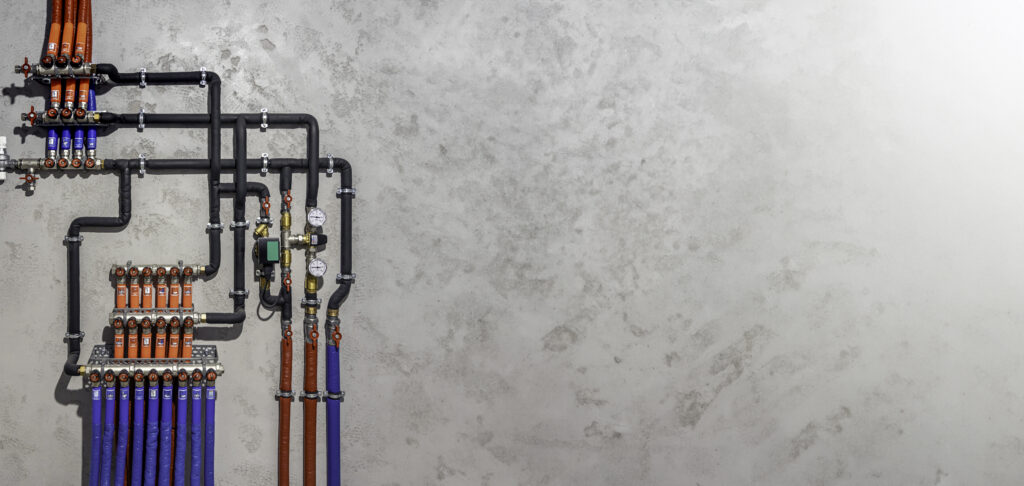
When it comes to repiping your home, PEX and copper are the two dominant pipe materials on the market today. PEX is flexible, affordable, and faster to install, while copper is durable, time-tested, and preferred in certain climates and code situations.
Key Takeaways
- PEX costs 25-40% less than copper on average, making it attractive for budget-conscious homeowners.
- Copper pipes have a proven lifespan of 50+ years, while PEX is rated for 25-50 years under normal conditions.
- PEX cannot be used outdoors or in direct sunlight because UV exposure degrades the material.
- Both materials are approved by most U.S. building codes, but local regulations in Los Angeles may influence your choice.
- The right material depends on your home’s age, water quality, budget, and local permitting requirements.
- A licensed plumber should always assess your specific situation before you commit to either option.
Why Homeowners in Los Angeles Are Replacing Their Pipes
Repiping is not a minor repair. It is a full replacement of the water supply lines running through your home, and it typically becomes necessary when pipes are corroded, leaking frequently, or simply aging out. In Los Angeles, many homes were built during the mid-20th century using galvanized steel, which is now well past its functional life expectancy.
According to the U.S. Environmental Protection Agency, aging water infrastructure contributes to lead contamination and water loss, both of which are serious concerns for homeowners. Replacing failing pipes with modern materials protects your water quality and property value at the same time.
If you have started noticing rust-colored water, low pressure at multiple fixtures, or repeated pinhole leaks, those are strong indicators that a full repipe is overdue. Before you move forward, understanding the difference in materials is essential.

PEX vs Copper Repiping: A Direct Comparison
Both PEX (cross-linked polyethylene) and copper have legitimate strengths. The best choice depends on your priorities, your home’s layout, and what your local code requires.
| Feature | PEX | Copper |
|---|---|---|
| Average cost per linear foot | $0.50 – $2.00 | $2.50 – $4.00 |
| Lifespan | 25-50 years | 50-70 years |
| Flexibility | High (bends around obstacles) | Low (requires fittings) |
| Freeze resistance | Better (expands slightly) | More prone to cracking |
| UV resistance | Poor (indoor use only) | Excellent |
| Bacteria resistance | Moderate | High (naturally antimicrobial) |
| Installation speed | Faster | Slower |
| Recyclable | No | Yes |
For a deeper breakdown of how these two materials stack up at the technical level, the resource on copper vs pex piping covers the details in practical terms worth reviewing before you get quotes.
The Case for PEX
PEX has surged in popularity over the last two decades. It is flexible enough to run through walls with fewer fittings, which reduces the number of potential leak points. Installation is significantly faster because the material bends around corners and through tight spaces without the soldering that copper demands.
For homeowners working with a tighter budget, PEX offers real savings, and understanding the repiping a house cost helps you plan your investment accordingly. The Mayo Clinic and other health bodies have not flagged PEX as a direct health hazard in normal residential plumbing use, though some concerns exist about chlorine degradation over very long periods, particularly in areas with heavily chlorinated water supplies.
PEX also handles freeze events better than copper. In a cold snap, copper pipes are more likely to crack under the pressure of expanding ice.
The Case for Copper
Copper has been the gold standard for residential plumbing in the United States for decades, and for good reason. It is naturally antimicrobial, which means it resists bacterial growth inside the pipe. The CDC recommends that homeowners pay attention to bacterial risks in water systems, and copper’s natural properties provide a passive layer of protection.
Copper is also 100% recyclable, which matters if sustainability is a priority for your household. In high-heat environments or areas with specific fire code requirements, copper’s tolerance for heat makes it the safer, more code-compliant choice.
The downside is cost. Copper materials and labor run noticeably higher than PEX, and the installation process is more labor-intensive.
What Does a Full Repipe Actually Cost?
Cost is often the deciding factor for most homeowners, and understanding the full scope of what you are paying for helps you evaluate quotes more accurately. For a detailed breakdown of what drives pricing, reviewing repiping a house cost gives you a realistic benchmark for Los Angeles-area projects.
As a general estimate:
- PEX repipe for a 1,500 sq ft home: $4,000 – $8,000
- Copper repipe for the same home: $8,000 – $16,000
These figures vary based on the number of fixtures, wall access, permit fees, and local labor rates. Los Angeles has higher labor costs than most U.S. markets, so expect your quotes to reflect that reality.
The National Association of Home Builders notes that plumbing upgrades, including repiping, consistently rank among the home improvements with strong returns on resale value, which is worth factoring into your decision.

Things to Know
- PEX requires a transition fitting wherever it connects to existing copper or threaded fittings, which adds minor cost.
- Los Angeles building permits are required for repiping projects, and repiping services los angeles providers will handle the permitting process for you.
- Hard water, which is common in Southern California, can accelerate copper corrosion over time, making PEX a practical alternative in some cases.
- Some older homes have cast iron drain lines that also need attention during a repipe project. Ask your plumber to inspect both supply and drain lines.
- Insurance companies may offer better rates after a documented repipe because it reduces the risk of water damage claims.
Book Your Repipe Assessment With a Trusted Los Angeles Plumber
Delaying a repipe when your pipes are failing is a risk that can lead to water damage, mold growth, and costly emergency repairs. Expertise Plumbing & Rooter, located at 8885 Roslyndale Ave, Arleta, CA 91331, serves homeowners throughout Los Angeles with licensed, professional repiping services available around the clock. Call (888) 807-7069 any time, because the team operates 24 hours a day to handle your plumbing needs on your schedule.
To explore the full range of services and see why Los Angeles homeowners trust this team, visit the repiping services los angeles page and schedule your assessment today.

Frequently Asked Questions
Q: Is PEX safe for drinking water in California?
Yes, PEX is approved for drinking water use in California and meets NSF/ANSI 61 certification standards.
The California Plumbing Code permits PEX for residential water supply lines. If you have concerns about water quality, a whole-house water filter can be added during the repiping process for extra protection.
Q: How long does a full repipe take to complete?
Most single-family home repipes in Los Angeles are completed within two to four days.
The timeline depends on the home’s size, the number of bathrooms, and how accessible the walls are. PEX projects often run slightly faster than copper because fewer joints and solder points are required.
Q: Can I mix PEX and copper in the same system?
Yes, PEX and copper can be connected using transition fittings, which are widely available and code-compliant.
This is common during partial upgrades or when running new lines to specific areas. A licensed plumber will ensure the connection is sealed and rated correctly for your water pressure.
Q: Does repiping require a permit in Los Angeles?
Yes, repiping in Los Angeles requires a building permit from the Department of Building and Safety.
Your plumber should handle the permit process. Never allow a contractor to skip this step, as unpermitted work can create issues when selling your home or filing an insurance claim.
The technology works on most standard sewer line configurations, though heavily collapsed sections — more common in earthquake-damaged areas like Northridge — may require partial excavation first. A video camera inspection will clarify which method is appropriate for your specific situation before any commitment is made.
If you have a specific commercial plumbing need not listed here, please call us to discuss your requirements.
Q: How do I know if my home needs a full repipe or just a repair?
If you are experiencing multiple leaks, consistently discolored water, or reduced pressure throughout the house, a full repipe is likely more cost-effective than repeated repairs.
A spot repair can work for isolated issues. If the underlying pipes are corroded or outdated throughout the system, repairs become a temporary fix that delays an inevitable larger expense.
Homes with mature trees — common throughout established Northridge neighborhoods — should lean toward annual service since root intrusion into aging clay sewer laterals is one of the most frequent causes of recurring clogs in this area. You can schedule drain cleaning service with our team any time at (888) 807-7069.
The Bottom Line on PEX vs Copper Repiping
Choosing between PEX and copper comes down to your budget, your home’s specific conditions, and how long you plan to stay in the property. PEX offers faster installation and lower cost, while copper offers proven longevity and natural antimicrobial properties. Neither is universally superior.
If you want guidance from licensed professionals who understand the specific demands of Los Angeles plumbing, the about us page gives you a clear picture of the experience behind Expertise Plumbing & Rooter. Call (888) 807-7069 today and get a straightforward assessment of what your home actually needs.