
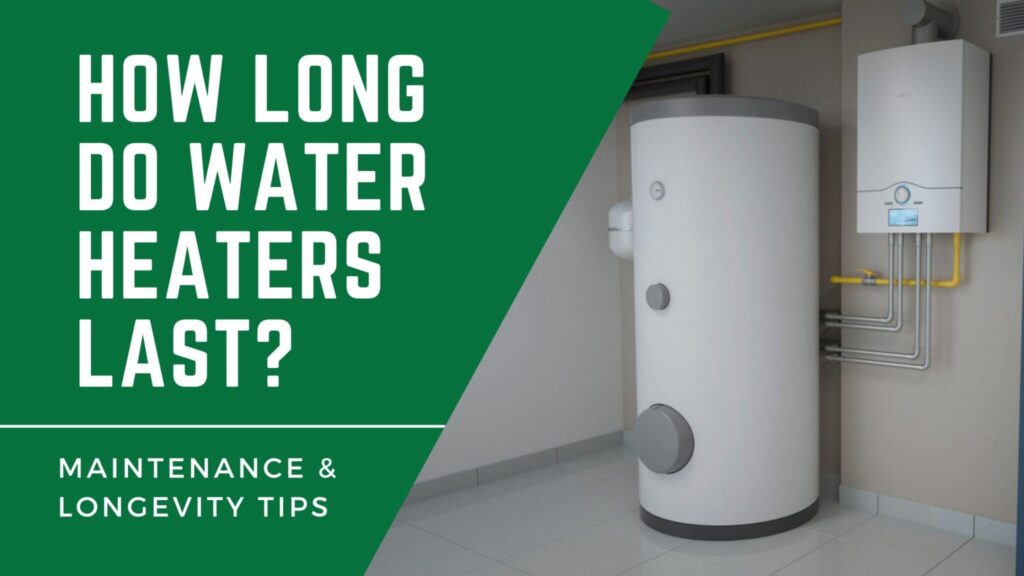
Most tank water heaters last between 8 and 12 years, while tankless models can reach 20 years or more with proper maintenance. Knowing the water heater lifespan when to replace thresholds can save you from a flooded utility room, sky-high energy bills, and cold showers at the worst possible time through resources like .
Key Takeaways
- Tank water heaters typically last 8-12 years; tankless units can last up to 20 years.
- The serial number on your unit encodes the manufacture date, which you can decode using the brand’s format.
- Rusty water, rumbling noises, and visible corrosion are the three strongest signals that replacement is overdue.
- Repairing a unit older than 10 years rarely makes financial sense when a new unit pays for itself in energy savings.
- Annual anode rod inspections can add 3-5 years to the life of a tank water heater.
- Replacement should be planned proactively, not reactively, to avoid emergency costs and water damage.
How Long a Water Heater Actually Lasts
The number printed on a warranty card rarely tells the whole story. Manufacturers set those figures based on ideal conditions: clean water supply, annual maintenance, and a temperate climate. Real-world usage is messier.
Tank vs. Tankless Lifespan at a Glance
| Type | Average Lifespan | Key Factor Affecting Longevity |
|---|---|---|
| Traditional gas tank | 8-12 years | Anode rod condition, sediment buildup |
| Traditional electric tank | 10-15 years | Element quality, water hardness |
| Tankless gas | 15-20 years | Scale buildup, burner maintenance |
| Tankless electric | 15-20 years | Element replacement frequency |
| Heat pump water heater | 10-15 years | Filter cleaning, ambient temperature |
Hard water is one of the biggest lifespan killers in the United States. Cities like Phoenix, Las Vegas, and Los Angeles rank among the hardest water markets in the country, which is why repiping services los angeles are sometimes necessary alongside water heater maintenance. Mineral scale builds up inside the tank and on heating elements, forcing the unit to work harder and shortening its service life by 2-4 years if you skip regular flushing.
The anode rod, a magnesium or aluminum rod suspended inside the tank, sacrifices itself to prevent the steel tank from rusting. When that rod corrodes completely, the tank itself starts corroding. Most manufacturers recommend inspecting the anode rod every 2-3 years and replacing it when it has worn down to less than half an inch in diameter. This single maintenance step is the most cost-effective way to extend tank life.
How to Find Out How Old Your Water Heater Is
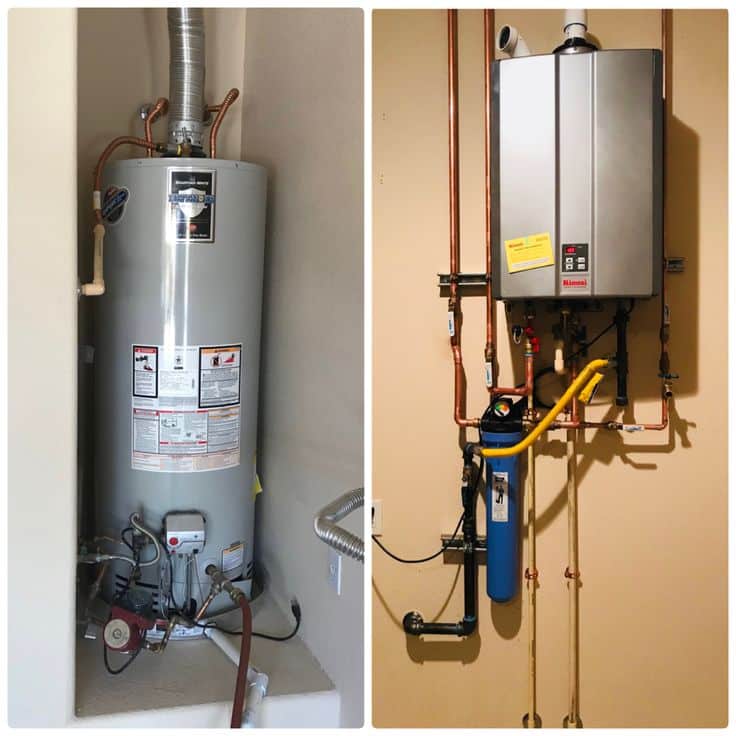
Before you can assess whether replacement makes sense, you need to know your unit’s age. The manufacture date is embedded in the serial number on the label affixed to the side of the tank.
Different brands encode the date differently:
- Rheem and Ruud: The first letter represents the month (A = January, B = February, etc.), and the next two digits represent the year. A serial starting with “F19” was made in June 2019.
- Bradford White: Uses a letter-based code where specific letters represent two-year periods. A “G” prefix, for example, indicates 2004-2005 production.
- A.O. Smith: The first four digits after the initial letter typically represent the year and week of manufacture.
If you cannot decode it yourself, the brand’s website or a licensed plumber can identify the age in minutes. Knowing the exact age lets you position your unit on the lifespan curve and make a data-driven replacement decision rather than a reactive one.
Warning Signs That Replacement Is the Right Move
Age alone does not always justify replacement. Conversely, some units should be replaced well before they hit the 10-year mark. The following warning signs are the clearest signals that you are approaching or past the point of no return.
Rusty or Discolored Hot Water
If your hot water runs orange, brown, or smells metallic, the tank interior is likely rusting. Run the cold water from the same tap. If the cold is clear and the hot is discolored, the problem is the tank, not the pipes. Rust inside a tank is structural degradation that cannot be reversed.
One important nuance: rusty water can also indicate corroded galvanized pipes in older homes, not just a failing tank. A plumber can help you distinguish between the two. In homes with aging pipe systems, repiping services los angeles may be needed alongside or instead of a tank replacement.
Rumbling, Banging, or Popping Sounds
Sediment accumulates at the bottom of the tank over years of use. As water heats, it forces its way through that hardened sediment layer, creating the rumbling or banging you hear. These sounds indicate the unit is working harder than it should and is likely nearing the end of its efficient service life. Flushing the tank annually prevents this, but once sediment has hardened and baked onto the tank floor, flushing alone will not fix it.
Water Pooling Around the Unit
Any water visible around the base of the tank is a serious red flag. Small leaks can originate from the pressure relief valve or fittings, both of which are repairable. But if the tank itself is leaking, the steel has likely cracked or corroded through, and replacement is the only safe option. Catching this early prevents major water damage, and if you notice moisture spreading beyond the unit, you may also need water leak repair los angeles to address any damage to surrounding walls or flooring before installing a new unit.
Inconsistent or Insufficient Hot Water
A water heater that used to supply 30 minutes of hot water and now runs out in 10 minutes is telling you something. Sediment displacement, a failing heating element, or a deteriorating dip tube can all reduce effective capacity. If repairs do not restore performance, the underlying issue is often age-related degradation that is not economically worth fixing.
Rising Energy Bills With No Other Explanation
As units age, efficiency drops. An electric water heater with a failing element or a gas unit with a deteriorating burner assembly consumes significantly more energy to heat the same volume of water. If your utility bills have crept up over 12-18 months and you cannot attribute the increase to rate changes or new appliances, the water heater could be the culprit. An energy audit or a technician inspection can confirm this quickly.

Repair vs. Replace: A Practical Cost Framework
The general rule used by most HVAC and plumbing professionals is the 50% rule: if the cost of a repair exceeds 50% of the cost of a new unit and the existing unit is more than half through its expected lifespan, replacement is almost always the better financial decision.
Here is a simplified cost comparison to put that in perspective:
Repair costs for common issues:
- Thermostat replacement: $150-$300
- Heating element replacement: $200-$400
- Anode rod replacement: $150-$250
- Pressure relief valve: $100-$200
- Full tank replacement (50-gallon gas): $800-$1,800 installed
A $350 heating element repair on a 4-year-old unit is sensible. The same repair on a 9-year-old unit with rust staining and rumbling noises is throwing money at a unit that will likely fail within 18 months anyway.
For homeowners and property managers considering an upgrade, water heater installation los angeles covers both standard and tankless options with professional sizing and code-compliant setup, which matters especially in California where Title 24 energy efficiency requirements apply to new installations.
What Type of Replacement Unit Makes Sense for Your Home
Once you have decided to replace, you have more options than ever before. The right choice depends on your household size, budget, available fuel source, and how long you plan to stay in the home.
Tank units are less expensive upfront ($400-$900 for the unit itself) and familiar to most plumbers and homeowners. They work well for households of 1-4 people with moderate hot water demand.
Tankless units cost more upfront ($600-$1,500 for the unit, plus potential gas line or electrical panel upgrades), but they deliver hot water on demand and can reduce water heating energy costs by 24-34% according to the U.S. Department of Energy. For households planning to stay in the home for 10 or more years, the math often favors tankless.
Heat pump water heaters use ambient air to heat water rather than generating heat directly, making them 2-3 times more energy efficient than conventional electric tanks. Federal tax credits under the Inflation Reduction Act currently offer up to $600 toward qualifying heat pump water heater installations.
For businesses and multi-unit properties, hot water demand is a different calculation entirely, and commercial plumbing los angeles professionals size commercial water heating systems based on peak demand loads, recovery rates, and code compliance, which is a significantly more complex process than residential installation.
Things to Know
- The serial number on your water heater encodes the manufacture date, but the decoding format varies by brand. Check the manufacturer’s website if you are unsure.
- Hard water cities like Los Angeles, Phoenix, and Las Vegas see significantly shorter tank lifespans without a water softener or regular tank flushing.
- California Title 24 energy efficiency standards affect which replacement units qualify for installation in residential buildings, so check compliance before purchasing.
- A pressure relief valve that keeps triggering is not a minor issue. It indicates excessive pressure or temperature inside the tank and should be evaluated immediately.
- A failing dip tube (the plastic tube that directs cold water to the bottom of the tank) can cause tepid water complaints that mimic a dying unit but are actually a cheap, repairable problem.
- Tankless water heaters require descaling every 1-2 years in hard water areas, a maintenance step many homeowners overlook after installation.

Ready to Schedule Your Water Heater Replacement?
Contact a licensed plumber for an in-home assessment of your current unit. Ask them to check the anode rod, inspect for sediment buildup, and give you a written estimate for both repair and replacement so you can compare the numbers side by side. If your unit is more than 8 years old and showing any of the warning signs listed above, get that estimate scheduled this week rather than waiting for a failure that could cause hundreds of dollars in water damage. You can also visit to explore service options and request a consultation with a qualified local plumber.
Frequently Asked Questions
Q: Can a water heater last 20 years?
Tank water heaters rarely reach 20 years, but tankless units can with consistent maintenance.
Tank units typically max out at 12-15 years even under ideal conditions. A tankless gas or electric unit, descaled annually and inspected regularly, can realistically reach the 20-year mark. The key variable is whether maintenance has been performed consistently throughout the unit’s life.
Q: How do I know if my water heater is about to fail?
The clearest signs are rusty hot water, water pooling at the base, and a unit older than 10 years showing reduced output.
If two or more of these symptoms appear simultaneously, failure is likely imminent. Do not wait for a full rupture. Schedule a professional inspection immediately to assess whether repair or replacement is the appropriate next step.
Q: Is it worth repairing a 10-year-old water heater?
In most cases, repairing a 10-year-old tank unit is not cost-effective unless the repair is minor and the unit is in otherwise good condition.
The 50% rule applies here: if the repair costs more than half the price of a new unit, replacement wins on both financial and practical grounds. A 10-year-old tank is already in the final phase of its expected service life, so even a successful repair buys limited additional time.
Q: What is the average cost to replace a water heater in the US?
The average total cost to replace a standard 50-gallon gas water heater ranges from $800 to $1,800 including labor.
Electric tank replacements typically fall between $700 and $1,500. Tankless units carry a higher upfront cost of $1,500 to $3,500 installed, though long-term energy savings can offset that premium over 7-10 years. Prices vary by region and local labor rates.
If you have a specific commercial plumbing need not listed here, please call us to discuss your requirements.
Q: Does homeowner's insurance cover water heater damage?
Standard homeowner’s insurance typically covers sudden water damage caused by a water heater failure but does not cover the replacement of the unit itself.
If a burst tank floods your utility room or damages drywall and flooring, your home’s dwelling coverage generally applies. The cost to replace the heater is treated as a maintenance expense, not an insured loss. Always review your specific policy terms and deductible thresholds.
The Bottom Line on Best Plumber Northridge CA
Choosing the best plumber Northridge CA has available comes down to three things: verified licensing, consistent reviews, and a contractor who actually understands what’s under a Northridge foundation. With the 1994 earthquake legacy still affecting underground infrastructure, aging galvanized pipe systems, and hard water accelerating wear on fixtures and water heaters, the demand for skilled, knowledgeable plumbing contractors here is genuine — and the stakes for hiring wrong are higher than in most communities.
Before your next plumbing issue turns into a crisis, research a contractor in your area, verify their CSLB license, read through their most recent reviews, and save their number. Expertise Plumbing & Rooter — based in Arleta, licensed since 1997, CSLB #1104324 — serves Northridge and the entire San Fernando Valley 24 hours a day, 7 days a week. Call (888) 807-7069 and a real person answers every time.