
Frozen pipes in Los Angeles may sound unlikely, but even Southern California’s mild climate can produce overnight temperatures cold enough to freeze exposed or poorly insulated plumbing. When water inside a pipe freezes, it expands with enough force to crack or burst the pipe entirely, potentially causing thousands of dollars in water damage before you even realize what happened.
Key Takeaways
- Los Angeles temperatures can dip below 32°F in inland valleys and hillside neighborhoods, making frozen pipes a real risk during cold snaps.
- Exposed pipes in garages, crawl spaces, and exterior walls are the most vulnerable spots in LA homes.
- Never use an open flame to thaw a frozen pipe; use a hair dryer, heating pad, or warm towels instead.
- A frozen pipe that has already cracked requires immediate professional attention to prevent flooding.
- Pipe insulation is inexpensive and one of the most effective preventive measures you can take.
- If you suspect a burst, shut off your main water supply immediately and call a licensed plumber.
Why Los Angeles Homes Are Vulnerable to Frozen Pipes
Most homeowners in LA don’t spend much time thinking about winter pipe protection, and that’s exactly the problem. Because extreme cold is uncommon here, local builders have historically used less pipe insulation than contractors in colder states like Minnesota or Colorado. That means when temperatures do drop, pipes that would be safely buried or insulated in Chicago are completely exposed in a Los Angeles garage or crawl space.
According to the National Weather Service, inland areas of Southern California, including the San Fernando Valley, Antelope Valley, and foothill communities, regularly see nighttime lows near or below 32°F during December, January, and February. Neighborhoods like Sylmar, Chatsworth, and Granada Hills are especially susceptible. Even areas closer to the coast can experience a rare cold snap that catches homeowners off guard.
Pipes most at risk include:
- Outdoor hose bibs and irrigation lines
- Pipes running through unheated garages or carports
- Pipes along exterior walls with little to no insulation
- Pipes beneath homes with vented crawl spaces
- Copper pipes, which conduct cold faster than plastic alternatives
Understanding where your home’s plumbing is most exposed is the first step in protecting it.
How to Identify a Frozen Pipe Before It Bursts
The earlier you catch a frozen pipe, the better your chances of avoiding a costly rupture. There are a few telltale signs to watch for during or after a cold night.
No water flow from one or more faucets. If you turn on a tap and nothing comes out, or just a trickle appears, a section of pipe may be frozen solid. This is especially common in faucets along exterior walls.
Visible frost on exposed pipes. If you can see the pipe (in a garage or under a sink near an exterior wall), check for frost or condensation forming on the outside of the pipe.
Unusual sounds when water runs. Gurgling or banging noises can indicate a partial blockage caused by ice inside the pipe.
Bulging or cracked pipe sections. If the pipe has already begun to expand under pressure, you may see physical deformation. At this point, the pipe may have already failed internally even if water hasn’t started leaking yet.
If you spot any of these warning signs, don’t wait. A frozen pipe can become a burst pipe within minutes once temperatures begin to rise and pressure builds.
Safe Ways to Thaw a Frozen Pipe at Home
If you’ve confirmed a pipe is frozen but it hasn’t burst yet, you may be able to thaw it safely on your own. The key is to use gentle, consistent heat and never rush the process.
What works:
- A hair dryer set to medium heat, moved slowly along the pipe
- Heating pads wrapped around the frozen section
- Warm (not boiling) towels applied directly to the pipe
- Space heaters placed near the pipe in an enclosed area like a garage
What to avoid:
- Open flames, including propane torches or lighters, which are a fire hazard and can damage the pipe
- Boiling water poured directly onto a cold pipe, which can cause thermal shock and cracking
- Leaving a heat source unattended near flammable materials
Start thawing from the faucet end and work your way back toward the frozen section. This allows water and steam to escape as the ice melts, which reduces internal pressure. Keep the faucet open during the process so you can monitor water flow returning.
For guidance on safe thawing methods, the American Red Cross provides a helpful resource on winter pipe protection that aligns with what licensed plumbers recommend.
If you can’t locate the frozen section, or if the pipe is inside a wall, stop and call a professional. Attempting to heat a wall without knowing exactly where the ice is can cause more damage than it prevents.
When the Damage Goes Beyond Thawing
Sometimes frozen pipes result in cracked or fully burst pipes, and no amount of DIY effort will fix the problem. Signs that you need a plumber immediately include:
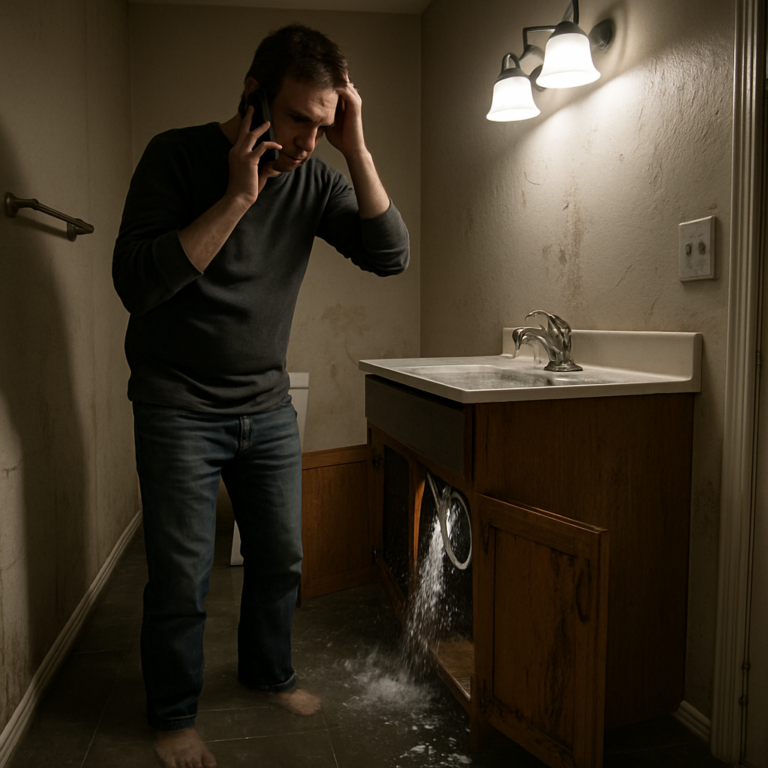
- Water spraying or pooling after temperatures rise
- Discolored water from a previously frozen faucet
- Water stains appearing on walls, ceilings, or floors
- A sudden drop in water pressure throughout the house
In these cases, shut off your main water valve right away. Then call an emergency plumber los angeles service that can respond around the clock. Expertise Plumbing & Rooter, located at 8885 Roslyndale Ave in Arleta, CA, is available 24 hours a day at (888) 807-7069 and serves homeowners across the greater Los Angeles area.
If a burst pipe has caused significant structural damage to your existing system, you may also need to look into repiping services los angeles to replace deteriorated or cracked lines throughout the home.
For particularly severe situations involving pipe failure underground or beneath a slab, pipe bursting los angeles is a trenchless technique that replaces old pipe without tearing up your yard or flooring.
The Insurance Information Institute notes that water damage and freezing is one of the most common sources of homeowners insurance claims in the U.S., so documenting all damage with photos before cleanup begins is always a smart move.
Things to Know
- Even a pipe with a small crack can release hundreds of gallons of water per hour once it thaws.
- Foam pipe insulation from a hardware store costs only a few dollars per linear foot and can prevent the problem entirely.
- Outdoor hose bibs should be drained and covered with insulated faucet covers before winter arrives.
- If your home was built before 1980, your pipes may already be at higher risk due to age-related deterioration combined with cold-weather stress.
- Leaving cabinet doors open under sinks along exterior walls allows indoor heat to reach the pipes during cold nights.
Protect Your Home Before the Next Cold Snap
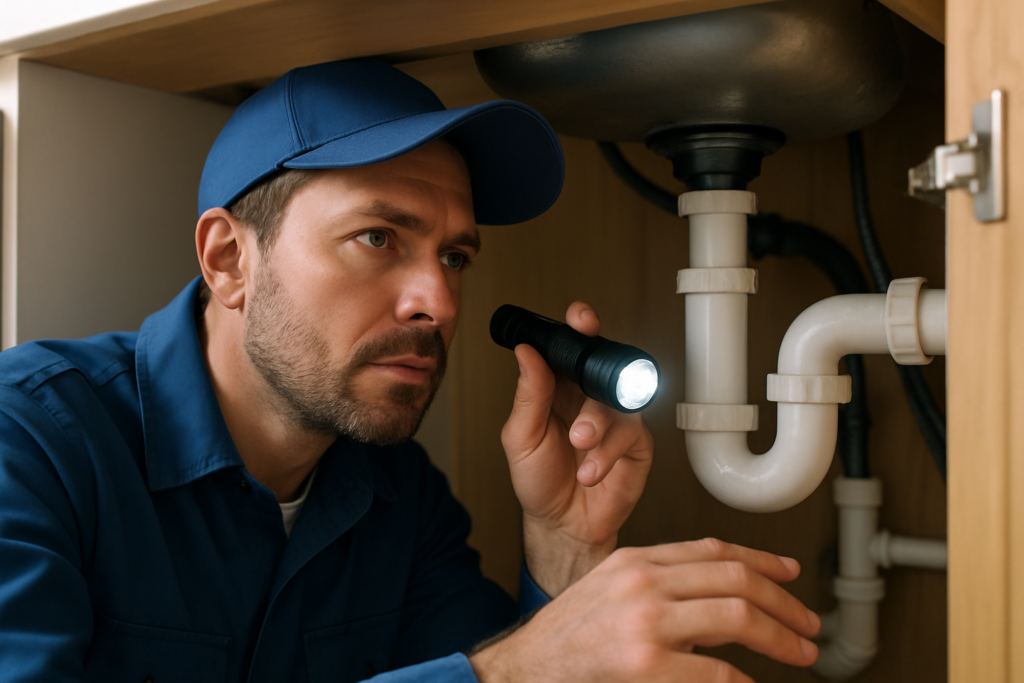
Preventing frozen pipes in Los Angeles starts with knowing where your home is vulnerable. Walk through your garage, check your crawl space access, and look at any pipes running along exterior walls. For a few dollars’ worth of foam insulation and a couple hours of time, you can significantly reduce your risk before temperatures drop.
You can also learn more about Expertise Plumbing & Rooter’s full range of services by visiting their for service details and coverage areas.
For a deeper look at cold-weather plumbing risks and regional guidance, the California Department of Water Resources offers seasonal preparedness information relevant to Southern California homeowners.
Call Expertise Plumbing & Rooter Before a Freeze Becomes a Flood
Don’t wait until a cold night turns into a plumbing emergency. Expertise Plumbing & Rooter is ready to help Los Angeles homeowners assess vulnerable pipes, handle emergency repairs, and restore full water service after a freeze. Their team is available 24 hours a day, 7 days a week, including holidays, so you’re never left without support when it matters most. Reach out through the contact us page or call (888) 807-7069 right now to speak with a licensed plumber.
Frequently Asked Questions
Q: Can pipes really freeze in Los Angeles?
Yes, pipes can and do freeze in Los Angeles, particularly in inland and hillside neighborhoods during winter cold snaps.
While LA’s climate is generally mild, overnight lows in areas like the San Fernando Valley can fall to or below 32°F. Homes with minimal pipe insulation are especially vulnerable during these brief but intense cold spells.
Q: What should I do first if I suspect a frozen pipe?
Turn off your main water supply valve immediately to prevent flooding if the pipe has cracked.
After shutting off the water, assess whether you can safely thaw the pipe yourself or need professional help. If you can’t locate the frozen section or see visible cracking, call a licensed plumber right away.
Q: How long does it take to thaw a frozen pipe?
Thawing a frozen pipe typically takes between 20 minutes and an hour, depending on the pipe’s size, location, and how deeply frozen it is.
Using a hair dryer or heating pad consistently along the frozen section speeds up the process. Never use open flame, as this creates a fire hazard and can damage the pipe further.
Q: Will homeowners insurance cover frozen pipe damage in California?
Most standard homeowners insurance policies cover sudden and accidental water damage from frozen pipes, but coverage depends on your specific policy terms.
Insurers may deny claims if they determine the homeowner failed to take reasonable precautions, such as maintaining adequate heat in the home. Always document damage with photos before beginning cleanup or repairs.
Q: How much does it cost to repair a burst pipe in Los Angeles?
Repair costs for a burst pipe in Los Angeles vary widely based on the pipe’s location, the extent of the damage, and whether water has affected surrounding materials.
Minor repairs on accessible pipes tend to cost significantly less than repairs requiring wall or slab access. Getting a professional assessment quickly limits both repair scope and total expense.
The Bottom Line on Frozen Pipes in Los Angeles
Frozen pipes in Los Angeles are a real risk that many homeowners overlook until it’s too late. By knowing which pipes in your home are most exposed, taking basic insulation steps before winter, and responding quickly when temperatures drop, you can avoid a damaging and expensive outcome. If you’re already dealing with a frozen or burst pipe, contact Expertise Plumbing & Rooter at (888) 807-7069 for immediate, around-the-clock assistance from a licensed professional.