
Water Pressure Too High Symptoms Every Homeowner Should Recognize
High water pressure is one of the most damaging and frequently overlooked plumbing problems in American homes. When your municipal supply delivers water above 80 PSI (the upper safe limit set by the Uniform Plumbing Code), your pipes, fixtures, and appliances absorb stress every single time you turn on a faucet.
Most households run between 40 and 60 PSI without issue. Push past 80 PSI consistently, and the physical wear compounds daily, quietly eating through washers, valve seats, supply lines, and water heater components until something fails in a way you can no longer ignore.
Who this is for: This article is written for homeowners and renters in single-family and multi-unit dwellings who are noticing unexplained leaks, strange pipe noises, or rapidly deteriorating fixtures and want to understand whether excessive pressure is the root cause. Not for: Property managers or commercial facility operators dealing with industrial-grade supply systems, where the variables and code requirements differ substantially from residential plumbing.
The Physical Signs You Can Hear and Feel
The first category of water pressure too high symptoms is sensory. You notice them without any tools.
Banging or hammering pipes. Water hammer is the percussive thud you hear when a valve closes abruptly and the pressurized water column has nowhere to go. It sounds like someone knocked on the wall behind your drywall. Many homeowners chalk it up to the house settling. It is not. Repeated water hammer stresses pipe joints and can crack solder connections over time. In practice, homes above 80 PSI experience this far more frequently than those running at 55 PSI.
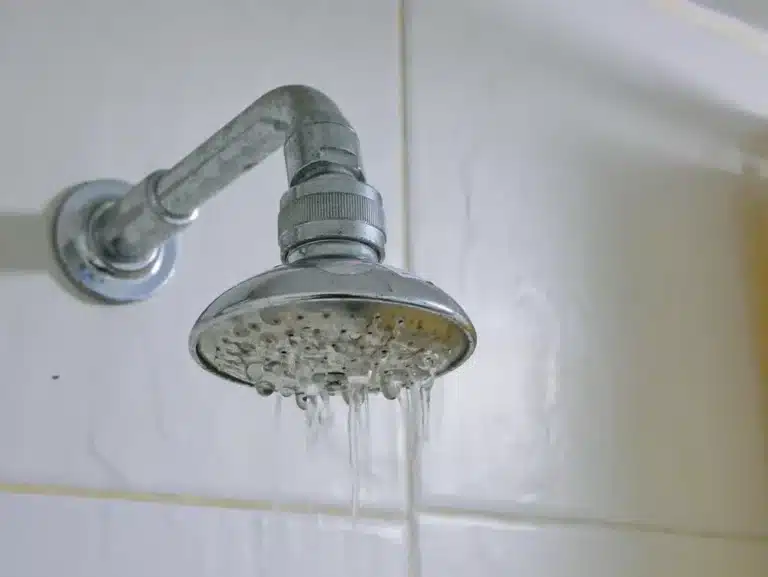
Splashing faucets. Turn on your kitchen or bathroom faucet at a normal position and watch what happens. If water spits out aggressively, sprays off the basin rim, or requires you to barely crack the handle open to get a usable stream, your inlet pressure is higher than the fixture was designed to handle. Most standard residential faucets are rated for 60 PSI.
Toilets that run longer than necessary. The fill valve in a standard toilet tank is calibrated to seat properly at moderate pressure. At elevated PSI, the valve can struggle to close fully, leaving your toilet running in a faint hiss for minutes after a flush. What usually trips people up here is blaming the flapper when the real culprit is the incoming pressure overwhelming the fill mechanism.
Appliance and Fixture Damage That Shows Up Over Months
The slower-moving water pressure too high symptoms are the expensive ones. They build quietly and tend to reveal themselves as a repair bill.
Washing machine hoses. Standard braided supply hoses for washing machines are rated to around 100 PSI, but sustained pressure above 80 PSI accelerates hose fatigue, particularly at the crimped ends. The Consumer Product Safety Commission has documented thousands of residential flooding incidents tied to supply hose failure. If your hoses are more than five years old and your home runs high pressure, replacement is not optional.
Water heater strain. Your water heater’s temperature and pressure relief (TPR) valve is designed to discharge when pressure inside the tank becomes dangerous. If the inlet pressure is already elevated, the TPR valve has less margin before it activates. The pattern seen in older tank units is premature TPR valve discharge and shortened tank lifespan, sometimes cutting expected service life from 12 years to under 8 years.
Dishwasher and refrigerator supply lines. The thin braided lines feeding your dishwasher and refrigerator ice maker are particularly vulnerable. A refrigerator ice maker line typically runs at only 1/4 inch in diameter. At sustained high pressure, micro-fractures at connection points develop over months, producing a slow drip behind the fridge that you may not catch until the floor is damaged.
| Fixture or Appliance | Typical PSI Rating | Risk Above 80 PSI |
|---|---|---|
| Standard residential faucet | 60 PSI | Spray-back, aerator wear |
| Toilet fill valve | 80 PSI | Continuous running, valve seat erosion |
| Washing machine hose | 100 PSI | Accelerated fatigue at crimp points |
| Water heater (TPR valve margin) | 150 PSI (relief point) | Shortened lifespan, premature TPR discharge |
| Refrigerator ice maker line | 120 PSI (rated) | Micro-fractures at fittings |
What Causes Residential Pressure to Spike
Pressure does not usually arrive at your home already elevated. Several system-level factors push it higher.
Municipal supply variability. In Los Angeles and surrounding areas, municipal delivery pressure can shift based on time of day, season, and proximity to pumping stations. Demand drops overnight, and pressure in the supply main climbs. Homes close to booster pump stations are especially exposed.
Pressure reducing valve (PRV) failure. Most homes built after 1985 have a PRV installed at the point where the main supply enters the house. A functioning PRV steps municipal pressure down to a safe residential level. When the PRV diaphragm deteriorates, it can stick partially open and allow pressure to creep above its set point without triggering an obvious fault. In practice, a failing PRV is the single most common mechanical explanation for the symptoms described in this article.
Thermal expansion in closed systems. If your water heater lacks an expansion tank and your PRV is functioning, thermal expansion from the heating cycle can spike localized pressure inside the home’s plumbing loop, particularly noticeable at the water heater’s supply connections.
How to Test Your Home's Water Pressure
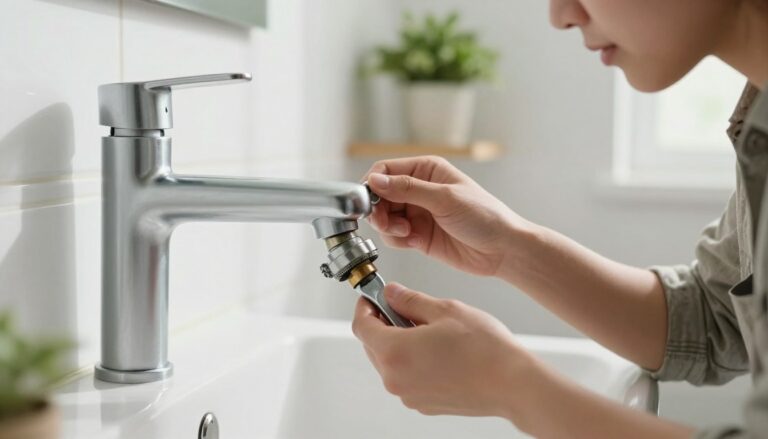
You do not need a plumber to take a first reading. A standard water pressure gauge, available at any hardware store for $10 to $20, threads onto any hose bib on your exterior wall.
Steps to get an accurate reading:
- Turn off all interior water fixtures (dishwasher, ice maker, all faucets).
- Attach the gauge to the exterior hose bib and thread it hand-tight.
- Open the bib fully and read the gauge dial.
- Take a reading in the early morning (when supply pressure is typically highest) and again mid-afternoon.
A reading consistently above 80 PSI confirms elevated pressure. A reading above 100 PSI is an urgent situation that requires immediate attention, not a deferred maintenance item.
If you want to check your PRV’s set point, look for the adjustment screw on the bell-shaped valve body near your main shutoff. You can compare your gauge reading to the valve’s rated setting, but adjusting the PRV yourself carries risk. An over-tightened PRV can restrict flow to unusably low levels, and an under-tightened one will not protect the system. For most homeowners, getting a professional assessment is the faster, safer path.
For additional context on common plumbing problems and their root causes, the Expertise Plumbing & Rooter blog covers a range of topics specific to Southern California homes and their plumbing challenges.
| Pressure Level (PSI) | Status | Recommended Action |
|---|---|---|
| Below 40 PSI | Too low | Check PRV setting, inspect for blockages |
| 40 to 60 PSI | Ideal range | No action needed |
| 61 to 80 PSI | Borderline | Monitor; test again in one month |
| 81 to 100 PSI | Elevated | Schedule PRV inspection and adjustment |
| Above 100 PSI | Urgent | Call a licensed plumber immediately |
Protecting Your Plumbing System Going Forward
Catching water pressure too high symptoms early is a matter of paying attention to the small signals your home already sends. Spitting faucets, running toilets, banging walls, and short-lived appliances are not random bad luck. They are a consistent pattern that points back to one measurable variable.
Test your pressure once a year, ideally in early spring before summer demand shifts municipal supply patterns. Replace your PRV every 7 to 12 years proactively, particularly in older Los Angeles-area homes where original valves may have been installed during construction and never serviced. Keep a log of appliance hose ages and swap them on schedule.
If you want to read further about maintaining your home’s plumbing infrastructure, Expertise Plumbing covers service areas, seasonal maintenance considerations, and emergency response options specific to the greater Los Angeles region.
The homeowners who avoid costly pressure-related damage are not lucky. They are the ones who treated a $15 gauge and 10 minutes of testing as a worthwhile annual habit.


Frequently Asked Questions
Q: How do I know if my water pressure is too high without a gauge?
The most reliable no-tool indicator is a faucet that spits or sprays aggressively at a normal handle position, but several other signs point to the same problem.
Listen for banging or knocking sounds inside your walls when you close a faucet quickly. Check whether your toilet keeps running for more than 30 seconds after a flush. Look at your water bill: elevated pressure increases overall consumption measurably, so an unexplained spike in usage can confirm what your ears and eyes are already telling you. That said, a $15 gauge from a hardware store removes all guesswork and takes less than five minutes to use.
Q: What PSI is considered dangerously high for a residential home?
Anything consistently above 80 PSI exceeds the upper limit set by the Uniform Plumbing Code, and readings above 100 PSI represent an urgent situation requiring immediate professional attention.
At 80 PSI, your fixtures and appliances are already absorbing more mechanical stress than they were designed for on a daily basis. At 100 PSI and above, supply hose failure, TPR valve discharge, and accelerated joint wear become real near-term risks rather than long-term concerns. The ideal residential range is 40 to 60 PSI. If your reading lands between 60 and 80 PSI, monitor it monthly rather than treating it as acceptable indefinitely.
Q: Can high water pressure damage a water heater?
Yes. Sustained high inlet pressure shortens water heater lifespan and causes the temperature and pressure relief valve to discharge prematurely, which is both a safety concern and a sign the system is under excess stress.
A water heater’s TPR valve is designed to release only when internal conditions become dangerous. When incoming pressure is already elevated, the margin before that threshold is crossed shrinks considerably. The pattern seen most often in older tank-style units running above 80 PSI is a TPR valve that weeps or drips, a corroded valve body from repeated partial discharges, and a tank that fails years ahead of its rated service life. Adding a properly sized thermal expansion tank is typically the fix, but it needs to be paired with correcting the inlet pressure itself.
Q: Will a pressure reducing valve fix all the symptoms?
A functioning PRV set between 50 and 60 PSI will resolve most water pressure too high symptoms, but a PRV alone does not address damage that has already occurred or secondary issues like water hammer caused by failed pipe supports.
The PRV is the right starting point. Once it is installed or adjusted correctly, you should see faucet spray calm down, toilet fill cycles normalize, and water hammer reduce significantly. The catch is that if your pipes already have weakened joints from years of stress, reduced pressure reduces ongoing damage but does not repair what is already compromised. A plumber should inspect supply lines and hose connections after a major pressure correction to confirm nothing is on the verge of failing.
Q: Is high water pressure covered by homeowner's insurance?
Damage caused by high water pressure is often covered under standard homeowner’s insurance policies if the resulting water damage was sudden and accidental, but coverage is frequently denied when the insurer determines the condition was a known, long-term maintenance issue.
This distinction matters practically. If a washing machine hose bursts and floods your laundry room, your insurer may cover remediation costs. But if the claims adjuster determines the hose showed visible wear and your pressure readings have been above safe limits for years, the claim can be partially or fully denied on the basis of neglect. Documenting your annual pressure readings, keeping PRV service records, and replacing supply hoses on schedule creates a paper trail that supports a claim. Consult your specific policy language and speak with your insurer before assuming coverage applies.
The Bottom Line on Water Pressure Too High Symptoms
The signals your plumbing sends when pressure is too high are consistent, readable, and almost always present long before a catastrophic failure occurs. Banging pipes, aggressive faucet spray, short-lived appliances, and toilets that run too long are not isolated annoyances. They form a pattern with a single measurable cause, and that cause has a straightforward fix.
Test your pressure with a gauge at least once a year, replace your PRV on a proactive schedule, and take appliance hose ages seriously rather than assuming they will hold indefinitely. If your readings consistently land above 80 PSI or you are already seeing multiple water pressure too high symptoms at once, the cost of a professional assessment is a fraction of what a supply line failure or flood remediation will run. Contact Expertise Plumbing & Rooter at (888) 807-7069, open 24 hours, or visit them at 8885 Roslyndale Ave, Arleta, CA 91331 to schedule a pressure inspection and protect your home before the next symptom becomes a repair bill.