
Hidden water leak signs are the small, easy-to-ignore details that quietly drain your wallet before a single drop of water ever appears on the floor. A concealed pipe leak inside a wall, beneath a slab, or behind a fixture can cause structural damage, mold growth, and a shocking spike in your water bill, all without any visible pooling or dripping.
That said, most leaks do leave clues. You just have to know what you are looking for.
Who this is for: This article is written for Los Angeles homeowners, landlords, and tenants who suspect a leak but have not seen obvious evidence of one. It covers the specific warning patterns that show up before a leak becomes a catastrophe. Not for: Anyone already dealing with a burst pipe or active flooding; that situation requires an immediate call to a 24-hour plumber, not a diagnostic article.
Why Concealed Leaks Are More Damaging Than Obvious Ones
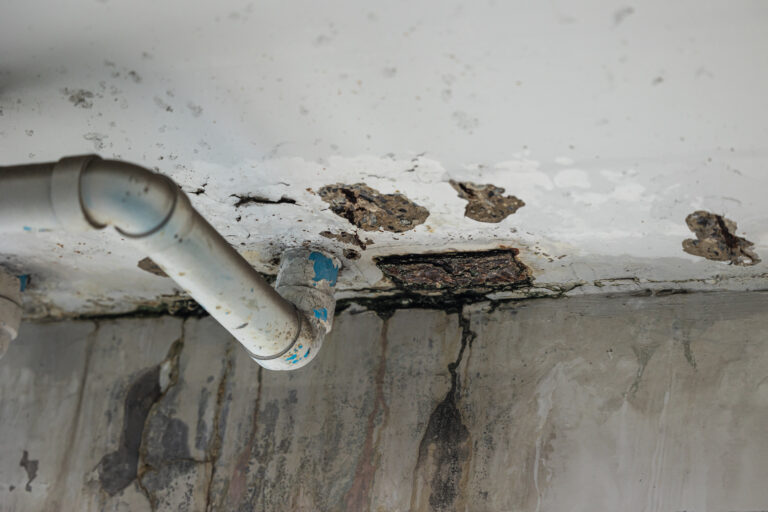
A dripping faucet is annoying but transparent. A pinhole leak inside a wall cavity? That one runs quietly for weeks, sometimes months, while mold colonies establish themselves in the drywall and wooden framing softens from constant moisture exposure.
Los Angeles homes face a specific vulnerability here. Many properties in the San Fernando Valley and surrounding neighborhoods were built in the post-war construction boom of the 1950s and 1960s. The galvanized steel pipes from that era corrode from the inside out. By the time corrosion breaks through to the exterior of the pipe, the surrounding material has already absorbed significant moisture. The leak you eventually see is not the beginning of the problem. It is the end of a long process.
What usually trips people up is assuming that no visible water means no active leak, which is why it’s crucial to check the resources available to LA homeowners. In practice, the most expensive repairs tend to come from leaks that were invisible the longest.
Slab Leaks: The Costliest Hidden Threat in Southern California
Slab leaks deserve their own section because they combine all the worst elements of a hidden leak: they are genuinely invisible, they directly threaten your foundation, and repair costs vary dramatically based on how long the leak ran before detection.
The slab leak repair cost in the Los Angeles area typically depends on pipe accessibility, the method used (spot repair versus full repipe), and how much slab must be cut. A spot repair on a freshly detected slab leak will cost significantly less than a repair that also requires mold remediation and foundation patching after months of undetected damage.
In practice, the homeowners who end up with the lowest repair bills are the ones who acted on the warm floor spot or the unusual water bill spike before the leak caused secondary damage. The catch is that slab leaks rarely produce dramatic early symptoms. You may feel that warm floor for two weeks and assume it is a quirk of your radiant heat, when in fact there is no radiant heat in the house at all.
The Most Reliable Hidden Water Leak Signs to Watch For
| Warning Sign | Most Likely Location | Urgency Level |
|---|---|---|
| Bill spike ($30 to $80+) | Supply line or irrigation | High, check within a week |
| Warm floor spot | Beneath slab (hot water line) | Critical, call same day |
| Musty smell, no visible mold | Inside wall or subfloor | High, mold may be active |
| Pressure drop at multiple fixtures | Main supply line or branch | High, check within 48 hours |
| Meter moves after shutoff test | Anywhere in the system | Critical, call same day |
| Single-fixture pressure drop | Clogged aerator or local leak | Moderate, check within a week |
What to Do When You Suspect a Hidden Leak
Suspecting a leak and confirming one are two different steps. Confirmation usually requires professional equipment (acoustic detection, thermal imaging, or pressure testing) because the symptoms listed above can occasionally overlap with non-leak causes. A musty smell, for instance, could be a failed shower caulk rather than a pipe leak inside the wall.
Here is a practical sequence:
- Perform the meter test described above.
- Compare the last four months of water bills for an upward trend.
- Walk the perimeter of the house and check the foundation for wet soil patches that persist more than 48 hours after rain.
- Check under every sink cabinet and around the base of every toilet for soft flooring or mineral staining.
- If two or more indicators align, call a licensed plumber for a professional leak detection appointment.
For Los Angeles homeowners who want more context on water system issues specific to this region, the Expertise Plumbing blog covers topics ranging from slab diagnostics to fixture maintenance in language that matches what local plumbers actually encounter in the field.
The trade-off with waiting even a few days to schedule that appointment is real. Mold begins establishing itself within 24 to 48 hours of persistent moisture exposure, according to the EPA’s guidelines on indoor mold and moisture. Once mold is inside a wall cavity, remediation adds a separate contractor and a separate cost to your project.
| Action Step | When to Do It | Cost Range (estimate) |
|---|---|---|
| Meter test | Immediately, no cost | $0 |
| Review four months of water bills | Same day | $0 |
| Visual inspection under sinks | Same day | $0 |
| Professional leak detection | Within 48 hours of two+ signs | $150 to $400 |
| Acoustic or thermal scan | When leak location is unknown | Included in most detection fees |
| Slab repair (spot method) | As soon as location is confirmed | Varies by damage extent |
How Expertise Plumbing Approaches Hidden Leak Detection in LA
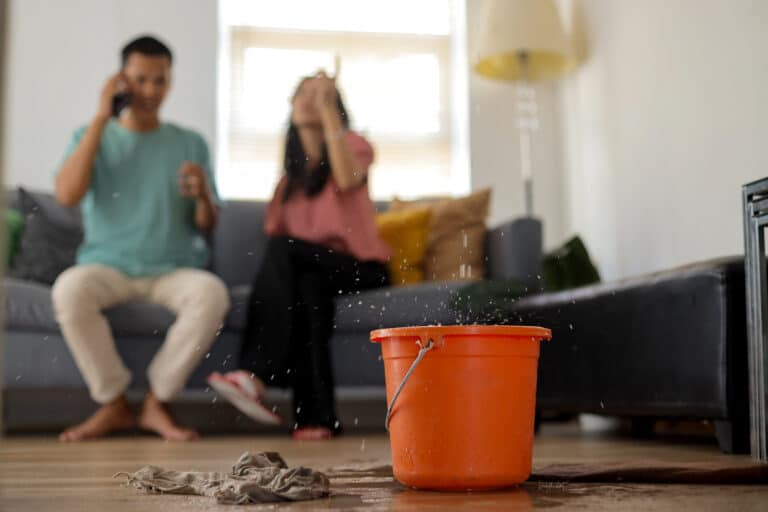
Expertise Plumbing & Rooter serves the Los Angeles area 24 hours a day from their location in Arleta. The pattern the team sees consistently in San Fernando Valley calls is that homeowners have already noticed one or two warning signs weeks before they call, but assumed the signs would resolve on their own.
They rarely do. Pipe corrosion does not reverse. A compromised fitting does not self-seal. The delay between noticing hidden water leak signs and calling for a professional inspection is where the difference between a manageable repair and a major restoration project is decided.
Expertise Plumbing uses non-invasive detection methods before any wall or slab is opened, which protects both your home’s finishes and your budget. If you are in the Los Angeles area and two or more of the warning signs in this article apply to your situation, call (888) 807-7069 to schedule a same-day assessment.


Frequently Asked Questions
Q: Can a hidden water leak cause mold even if I never see any standing water?
Yes. Mold only needs sustained moisture, not pooling water, to grow inside wall cavities or beneath flooring.
The EPA notes that mold can begin developing within 24 to 48 hours of consistent moisture exposure. A slow pipe leak inside a wall keeps the surrounding drywall and wood framing damp enough to sustain mold colonies indefinitely, and you may only notice it through a musty odor or an unexplained allergy flare-up long before any visible staining appears on your walls.
Q: How do I know if my high water bill is from a leak or just normal seasonal use?
Pull your last four months of bills and look for a spike that does not align with any change in your household routine, like filling a pool, hosting guests, or running the irrigation more often.
A single elevated bill can have several causes, but a bill that climbs steadily over two to three months with no behavioral change in the household is a strong indicator of a leak somewhere in the supply system. Run the meter shutoff test described in this article. If the meter moves after 30 minutes with all fixtures off, you have confirmed water is escaping the system.
Q: What is the difference between a slab leak and a regular pipe leak?
A slab leak is a pipe leak that occurs inside or directly beneath the concrete foundation of a home, while a regular pipe leak happens inside walls, ceilings, or exposed plumbing.
Slab leaks are harder to detect and more expensive to repair because the concrete must be accessed to reach the damaged pipe. They also pose a greater structural risk because the escaping water can erode the soil beneath the foundation unevenly, leading to differential settling and cracking. In Los Angeles, older homes with copper or galvanized steel pipes running beneath the slab are particularly vulnerable to this type of failure.
Q: Should I turn off my water main if I suspect a hidden leak?
Not necessarily as a first step, but if the meter test confirms active water loss and you cannot reach a plumber immediately, shutting off the main buys you time without making the situation worse.
The main shutoff valve in most Los Angeles properties sits near the curb or at the side of the house. Closing it stops all water flow through the system, which limits additional damage while you wait for a licensed plumber to arrive. The trade-off is that you lose access to water for the entire household until the valve is reopened, so coordinate with everyone in the home before closing it.
Q: How much does professional leak detection cost in Los Angeles?
Most licensed plumbers in the Los Angeles area charge between $150 and $400 for a professional leak detection appointment, depending on the methods used and the complexity of the property.
Acoustic detection and thermal imaging are the two most common non-invasive techniques, and both are typically included in a single detection fee rather than billed separately. The real cost consideration is not the detection fee itself but what happens when detection is delayed. A leak found early, before it reaches the mold or foundation damage stage, consistently results in a far lower total repair bill than one discovered after weeks or months of undetected hidden water leak signs.
The Bottom Line on Hidden Water Leak Signs
Catching a leak early is almost always cheaper, faster, and less disruptive than repairing the secondary damage it leaves behind. The warning signs covered here, from warm spots on your slab floor to subtle pressure drops across multiple fixtures, are genuinely detectable without any special equipment. The only requirement is that you take them seriously when you notice them rather than waiting to see if they resolve on their own.
If two or more of these indicators apply to your home right now, the practical next step is straightforward. Run the meter test, review your recent water bills, and call a licensed plumber for a professional detection appointment if the results point toward a leak. Expertise Plumbing & Rooter is available 24 hours a day at (888) 807-7069 and serves homeowners throughout the Los Angeles area, including the San Fernando Valley. The sooner a confirmed leak is located, the more of your home and your budget you protect.