
California plumbing code requirements establish the minimum standards for how plumbing systems must be designed, installed, and maintained across the state. Whether you are remodeling a bathroom, replacing a water heater, or tackling a sewer line repair, these rules apply directly to your project.
Key Takeaways
- California follows the California Plumbing Code (CPC), which is based on the Uniform Plumbing Code but includes state-specific amendments.
- Most plumbing work beyond simple fixture replacements requires a permit from your local building department.
- Water efficiency standards in California are stricter than federal minimums, affecting toilets, faucets, and showerheads.
- Licensed plumbers must hold a valid C-36 license issued by the California Contractors State License Board (CSLB).
- Violations can result in fines, mandatory removal of non-compliant work, and complications when selling your home.
- Hiring a licensed professional protects you legally and financially.
What the California Plumbing Code Actually Covers
The California Plumbing Code (CPC) is adopted and maintained by the California Building Standards Commission. It is built on the Uniform Plumbing Code published by the International Association of Plumbing and Mechanical Officials (IAPMO), but California layers on significant state-specific amendments that address everything from earthquake-resistant water heater strapping to aggressive water efficiency mandates. These amendments address everything from earthquake-resistant water heater strapping to aggressive water efficiency mandates.
The code is organized into chapters covering:
- Drainage systems: Pipe sizing, slope requirements, cleanout placement, and venting configurations.
- Water supply systems: Pressure standards, pipe materials, cross-connection controls, and backflow prevention.
- Fixture standards: Approved fixture types, installation clearances, and accessibility requirements under the Americans with Disabilities Act.
- Water heaters: Seismic strapping, temperature and pressure relief valves, and approved fuel connections.
- Gas piping: Although often governed separately, gas line work for water heaters and ranges falls under plumbing code jurisdiction in many California jurisdictions.
Local jurisdictions like the City of Los Angeles can adopt additional amendments on top of the state code, so what applies in Arleta may differ slightly from requirements in San Diego or Fresno. Always verify with your local building department before starting any project.
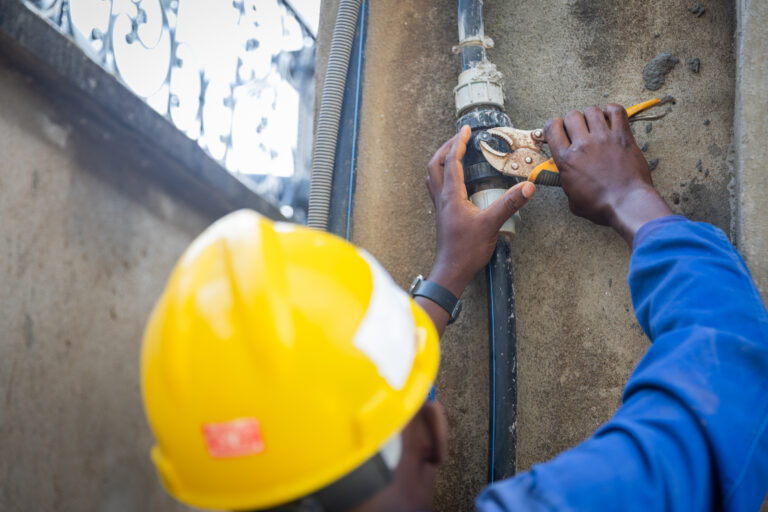
Permits: When You Need One and What Happens Without It
One of the most commonly misunderstood plumbing code requirements California enforces is the permit process. Many homeowners assume small jobs do not require permits. That assumption can be costly.
You generally need a permit for:
- New plumbing installations
- Replacing or relocating water lines or drain lines
- Installing or replacing a water heater
- Adding a bathroom, laundry room, or kitchen fixture
- Sewer line replacement or major repair
You typically do NOT need a permit for:
- Replacing a faucet, showerhead, or toilet with a like-for-like fixture
- Clearing a clogged drain
- Repairing a leaking pipe joint without altering the line
Without a permit where one is required, you risk fines from the local building department, mandatory demolition of walls to expose unpermitted work, and serious problems at the time of a home sale when buyers request disclosure of unpermitted improvements. The California Contractors State License Board (CSLB) also warns that homeowners who hire unlicensed contractors bear personal liability if something goes wrong.
Water Efficiency Standards: California Goes Further Than Federal Law
California’s water efficiency rules are among the strictest in the country, and plumbing services that protect your home business plumbing code requirements California enforces around fixtures reflect this directly. The California Energy Commission and the California Building Standards Commission have set appliance and fixture efficiency thresholds that exceed federal baseline standards under the Energy Policy Act.
Here is a quick comparison of what California law requires versus federal minimums:
| Fixture | Federal Maximum | California Maximum |
|---|---|---|
| Toilet (per flush) | 1.6 gallons | 1.28 gallons |
| Lavatory faucet | 2.2 gpm | 1.2 gpm |
| Showerhead | 2.5 gpm | 1.8 gpm |
| Kitchen faucet | 2.2 gpm | 1.8 gpm |
gpm = gallons per minute
These standards apply to new construction and replacement fixtures. If you are renovating a bathroom in Los Angeles, the fixtures you purchase at a hardware store must carry documentation confirming they meet California’s threshold. Non-compliant fixtures purchased online or from out-of-state retailers are a common and expensive mistake.
Pipe Materials: What California Allows and What It Bans
Not every pipe material on the market is approved under the CPC. California has specific rules about which materials can be used for which applications.
Approved for water supply lines:
- Copper (most widely used)
- CPVC (chlorinated polyvinyl chloride)
- PEX (cross-linked polyethylene, subject to listing requirements)
- Galvanized steel (existing systems only; rarely used in new work)
Approved for drain, waste, and vent (DWV) systems:
- ABS plastic
- Cast iron
- PVC
Not approved:
- Lead pipe for supply lines (banned under the Safe Drinking Water Act and California law)
- Polybutylene (recalled nationally due to failure rates)
If your home was built before 1985, have a licensed plumber inspect your supply lines. Galvanized and lead pipes are still found in older Los Angeles-area homes and carry real health and safety risks.
Hiring a Licensed Plumber in California: What to Verify
California requires plumbers performing work that goes beyond basic repairs to hold a C-36 Plumbing Contractor license issued by the CSLB. Before hiring anyone, verify their license at the CSLB website and confirm they carry general liability insurance and workers’ compensation coverage.
A licensed contractor working on your behalf pulls permits, schedules inspections, and takes on legal responsibility for code compliance. Expertise Plumbing & Rooter, based at 8885 Roslyndale Ave in Arleta, CA 91331, serves homeowners throughout the Los Angeles area with fully licensed and insured plumbing professionals who understand what it takes to navigate the regulatory landscape in a way that provides emergency plumber los angeles services around the clock. You can read more on our about us page to understand the background and qualifications our team brings to every job. The team operates 24 hours a day and can be reached at (888) 807-7069 for both scheduled work and urgent situations.
If a pipe bursts at 2 a.m. or a sewer line backs up on a holiday weekend, having access to an emergency plumber who knows local code is essential. Code-compliant emergency repairs prevent the secondary headache of having to redo work that failed inspection.
Things to Know
- California’s seismic strapping requirement for water heaters is not optional. It is code in all California jurisdictions and inspectors check for it.
- Some California counties require a licensed plumber to pull permits even if the homeowner wants to do the work themselves. Check with your local building department first.
- “Rough-in” inspections happen before walls are closed. If you skip this step, an inspector may require you to open walls at your own expense.
- The Mayo Clinic notes that lead in drinking water is a serious health concern, making pipe material compliance a health issue, not just a legal one.
- Water heater temperature must be set to at least 120°F to prevent bacterial growth, but California code also requires pressure relief valves rated for the unit’s BTU output.
Book Your Code-Compliant Plumbing Inspection Today
Do not wait for a failed inspection or a buyer’s home inspector to flag a code violation in your property. Expertise Plumbing & Rooter offers thorough plumbing assessments for homeowners throughout Los Angeles, and our licensed team knows exactly what local inspectors look for, so contact us online to schedule your evaluation today or call (888) 807-7069.
Frequently Asked Questions
Q: Do I need a permit to replace a water heater in California?
Yes, a permit is required to replace a water heater in California in most jurisdictions.
The replacement must meet current CPC standards for seismic strapping, temperature and pressure relief valves, and clearance distances. A licensed plumber can pull the permit on your behalf and schedule the required inspection.
Q: Can a homeowner do their own plumbing work in California?
Homeowners can legally perform plumbing work on their own primary residence in California, but permits are still required for most jobs.
Local jurisdictions vary on this, and some require licensed contractors for certain work. Always check with your city or county building department before starting.
Q: What is the minimum slope required for drain pipes in California?
The CPC requires a minimum slope of 1/4 inch per foot for drain lines up to 3 inches in diameter.
Larger pipes may use a 1/8 inch per foot slope under specific conditions. Insufficient slope causes slow draining and recurring blockages.
Q: How long does a plumbing permit take to get in Los Angeles?
Permit timelines in Los Angeles vary, but straightforward residential permits are often issued within a few business days through the LA Department of Building and Safety.
Complex projects or those requiring plan review can take longer. Your licensed contractor will typically manage this process for you.
Q: What happens if I sell a house with unpermitted plumbing work in California?
California law requires sellers to disclose known unpermitted work, which can reduce property value or kill a sale entirely.
Buyers’ lenders and inspectors routinely flag unpermitted improvements. Sellers may need to retroactively permit and pass inspection, or offer a price reduction to cover the buyer’s risk.
The Bottom Line on Plumbing Code Requirements California Enforces
Plumbing code requirements California maintains exist to protect your health, your property, and your neighbors. From water efficiency benchmarks to pipe material restrictions and seismic safety rules, compliance is not bureaucratic red tape; it is practical protection. The cost of cutting corners almost always exceeds the cost of doing the job right the first time.
Your next step is simple: if you have any doubt about whether your plumbing meets current California code, call Expertise Plumbing & Rooter at (888) 807-7069. Our licensed team at Expertise Plumbing is available around the clock to assess your system and bring everything up to standard.