
Preventing clogged drains starts with understanding what causes blockages and changing a few everyday habits. With the right routine, you can protect your plumbing, avoid expensive repairs, and keep water flowing smoothly through every pipe in your home.
Key Takeaways
- Hair, grease, soap scum, and food particles are the most common causes of drain blockages in American homes.
- Simple tools like drain screens and strainers stop the majority of debris before it ever enters your pipes.
- Flushing drains with hot water regularly slows the buildup of soap residue and light grease.
- Never pour cooking oil or fats down any drain, including the kitchen sink.
- Routine professional maintenance catches developing blockages before they become full clogs.
- If a clog is already forming, acting early is always cheaper than waiting for a full backup.
Kitchen and bathroom drains take a beating every single day. Knowing which materials cause the most damage and which habits to build around them puts you well ahead of most homeowners when it comes to long-term pipe health.
What Actually Blocks Your Drains
Before you can stop clogs from forming, you need to know what you are dealing with. The main offenders inside American homes are:
- Hair and soap scum: Bathroom drains collect hair every time someone showers. Hair tangles around pipe walls and traps soap residue, building up into dense mats over time.
- Cooking grease and fats: Grease poured down a kitchen drain cools, solidifies, and sticks to pipe walls. Over weeks and months, the coating thickens until water can barely pass through.
- Food scraps: Even with a garbage disposal, small particles of starch, coffee grounds, and fibrous vegetables slip through and accumulate inside drain lines.
- Mineral deposits: In areas with hard water, calcium and magnesium deposits form inside pipes and slowly reduce their internal diameter. Los Angeles sits in a region with moderately hard tap water, which makes this concern particularly relevant for local homeowners who may benefit from sewer repair los angeles services.
- Wet wipes and hygiene products: Items labeled “flushable” rarely break down the way toilet paper does. The U.S. Environmental Protection Agency warns that non-dispersible wipes are one of the leading causes of sewer blockages nationwide.
Understanding these causes gives you a clear starting point for building a prevention routine.

Daily and Weekly Habits That Keep Drains Clear
The most effective strategy for how to prevent clogged drains is consistency. A few minutes each week will save you hours of frustration and hundreds of dollars in service calls.
Install drain screens and strainers everywhere. A mesh screen over every shower, tub, and kitchen drain is the single highest-return investment you can make. These devices catch hair, food, and debris before it enters the pipe. Empty them after every use.
Never pour fats, oils, or grease down any sink. Let cooking grease cool in a container, then dispose of it in your trash. The American Chemical Society explains that fats form fatty acid chains when they contact calcium in pipe walls, creating stubborn deposits known as “fatbergs” in municipal sewer systems that professionals at know how to address.
Flush kitchen drains with hot water after cooking. Run hot water for 30 to 60 seconds after washing dishes. It won’t dissolve grease already hardened inside the pipe, but it helps carry lighter residue further down the line before it can settle.
Use a baking soda and vinegar flush monthly. Pour half a cup of baking soda down the drain, follow it with half a cup of white vinegar, wait 15 minutes, then rinse with hot water. This mild chemical reaction helps loosen light buildup without damaging your pipes the way commercial drain cleaners can.
Brush hair before showering. Removing loose hair with a brush before stepping into the shower reduces the amount that ends up in your drain by a significant margin. It is one of the simplest habits with one of the most noticeable results.
Tools Worth Having at Home
You don’t need a professional toolkit to handle basic drain maintenance. A few affordable items make a real difference.
| Tool | Best Use | Approximate Cost |
|---|---|---|
| Mesh drain strainer | Catching hair and food debris | $5-$15 |
| Drain snake (manual) | Clearing shallow clogs in sink or tub | $20-$40 |
| Silicone hair catcher | Shower and tub drain protection | $8-$18 |
| Enzyme drain cleaner | Monthly maintenance, not emergencies | $10-$25 |
| Plunger (cup style) | Dislodging sink and tub blockages | $10-$20 |
Enzyme-based drain cleaners are worth highlighting separately. Unlike caustic chemical products, enzyme cleaners use biological agents to break down organic material inside the pipe. According to information from the National Institutes of Health, harsh chemical drain cleaners can corrode older pipes over time, particularly those made from PVC or cast iron. Enzyme alternatives are gentler and safe for regular use.
When Prevention Isn’t Enough
Even the most disciplined homeowner will eventually face a stubborn blockage. Knowing when to call a professional instead of reaching for another drain solution saves you from making the problem worse.
Signs that your clog needs professional attention include:
- Water backing up into multiple fixtures at once, which may indicate a main line blockage.
- A gurgling sound coming from drains or toilets when another fixture is in use.
- Persistent slow draining despite repeated home treatment.
- Foul odors rising from drains that don’t go away after cleaning.
If you’re in Los Angeles and notice any of these warning signs, reaching out to a drain cleaning service los angeles provider early prevents a minor issue from becoming a major sewer problem. For deeper line blockages, hydro jetting los angeles uses high-pressure water to scour pipe walls clean, removing buildup that a snake can’t touch.
If your main sewer line is affected, you may also need sewer repair los angeles to address root intrusion, pipe damage, or collapse. The Mayo Clinic and other health organizations have noted that sewer backups create serious sanitation hazards inside the home, so acting quickly is important for your family’s health.
Things to Know
- Garbage disposals don’t make kitchen drains immune to clogs. Fibrous vegetables, potato peels, and coffee grounds should always go in the trash.
- Cold water should run during and after garbage disposal use to help carry waste down the line.
- Chemical drain cleaners provide short-term relief but can widen small cracks in older pipes over time.
- Tree roots are a major but overlooked cause of outdoor drain and sewer line blockages in residential neighborhoods.
- Even a drain that appears to be flowing normally can have significant buildup inside the pipe. Annual inspections catch this before symptoms appear.
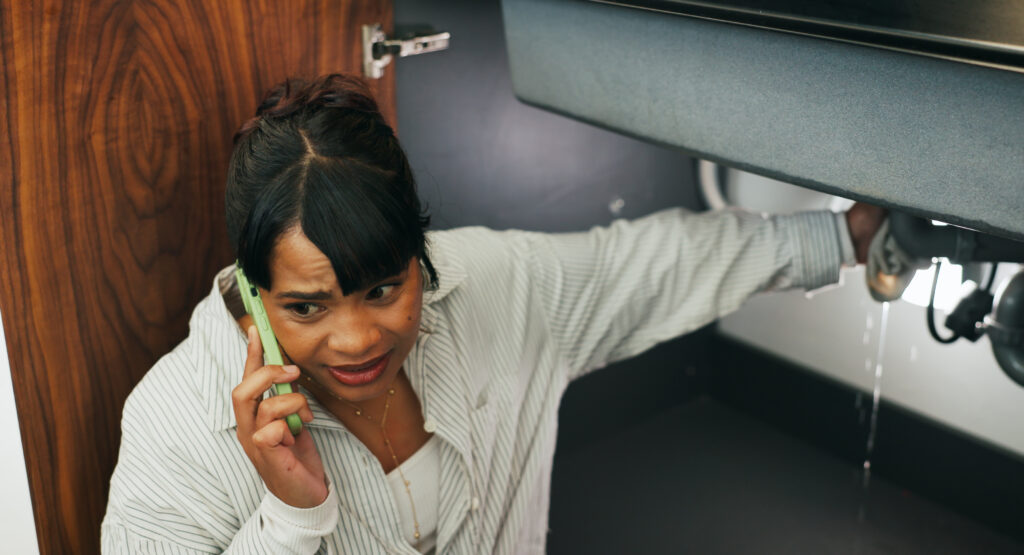
Stop Drain Emergencies Before They Start With Expertise Plumbing
When a clog escalates into an emergency, you need a team available around the clock. Expertise Plumbing & Rooter serves Los Angeles and surrounding neighborhoods 24 hours a day, every day of the year. Their technicians handle everything from routine drain maintenance to full sewer line repair, so you always have someone to call when home remedies aren’t enough.
Call Expertise Plumbing & Rooter at (888) 807-7069 or visit their office at 8885 Roslyndale Ave, Arleta, CA 91331. If your situation can’t wait, an emergency plumber los angeles from their team is ready to respond immediately.
Frequently Asked Questions
Q: How often should I clean my drains to prevent clogs?
A light maintenance flush once a week and a deeper enzyme treatment once a month is a solid routine for most households.
Run hot water after every use and use a baking soda and vinegar rinse monthly. If you have a larger household or cook frequently, increasing the frequency helps. Consistent small efforts beat infrequent intensive cleaning every time.
Q: Is it safe to use chemical drain cleaners regularly?
Regular use of caustic chemical cleaners is not recommended because they can degrade pipe materials over time.
Enzyme-based cleaners are a safer alternative for routine maintenance. Reserve chemical cleaners for occasional emergency use only, and never mix different products inside a drain.
Q: Can a garbage disposal cause clogged drains?
Yes, a garbage disposal can contribute to clogs if the wrong materials are put through it.
Starchy foods, fibrous vegetables, and large food scraps can accumulate in the drain line even after passing through the disposal blades. Always run cold water before, during, and after use to flush material completely through the pipe.
Q: What is the most common cause of clogged drains in bathrooms?
Hair combined with soap scum is the leading cause of bathroom drain blockages in most U.S. homes.
The two materials bind together inside the pipe, forming a dense plug that water cannot pass through. Installing a hair catcher and clearing it after every shower eliminates most bathroom clogs before they start.
Q: When should I call a plumber instead of trying to fix a clog myself?
Call a plumber when multiple drains are slow, when backups appear in more than one fixture, or when home remedies have failed twice.
These signs often point to a blockage in the main sewer line rather than an individual drain, which requires professional equipment to resolve safely. Waiting makes the backup worse and increases repair costs.
The Bottom Line on How to Prevent Clogged Drains
How to prevent clogged drains comes down to three things: physical barriers, consistent habits, and knowing when to bring in a professional. Drain screens, smart disposal practices, and monthly maintenance flushes handle the vast majority of clogs before they form.
When your pipes need more than a DIY fix, Expertise Plumbing & Rooter is available 24 hours a day to handle everything from routine cleaning to emergency repairs across the Los Angeles area. Take action before the next slow drain turns into a flooded kitchen or backed-up bathroom.