
Backflow prevention in Los Angeles is a legal requirement for most residential and commercial properties connected to the public water supply. When water pressure drops or reverses, contaminated water can flow backward into clean drinking lines, creating serious health hazards.
Key Takeaways
- Los Angeles requires backflow prevention assemblies on many property types, including homes with irrigation systems.
- Certified annual testing is mandatory for most backflow devices under LADWP and state regulations.
- Failing to comply can result in water service shutoff or fines.
- A licensed plumber must install, repair, and certify your backflow prevention assembly.
- Both residential and commercial properties face different device requirements depending on their water use.
Backflow is not a minor inconvenience. It is a genuine public health issue that the Los Angeles Department of Water and Power (LADWP) takes seriously. Whether you own a single-family home with a sprinkler system or manage a multi-unit commercial building, understanding your obligations around backflow devices will save you from fines, service interruptions, and health liability through .
Why Backflow Is a Serious Risk in Los Angeles
Los Angeles draws its water from multiple sources, including the Metropolitan Water District of Southern California, which means the municipal supply is well managed but still vulnerable at the point of connection to private property.
Backflow happens in two main scenarios. The first is back-siphonage, where a sudden drop in water pressure pulls water backward through the pipes. This can occur during a water main break, heavy firefighting activity, or a large sudden demand on the system. The second is back-pressure, where pressure on the private side of the connection exceeds the supply pressure, pushing water back toward the main.
Without a properly functioning backflow prevention assembly, irrigation water treated with fertilizers, pesticides, or herbicides can enter the drinking supply. In commercial settings, chemicals, medical waste, or industrial fluids can contaminate the line, and specialized sewer repair los angeles work may be needed to address contamination pathways. The consequences range from illness to legal liability.
Properties especially at risk include those with:
- Irrigation or sprinkler systems
- Swimming pools or hot tubs
- Boilers or fire suppression systems
- Medical or dental offices
- Car washes or food service facilities
What Los Angeles Regulations Actually Require
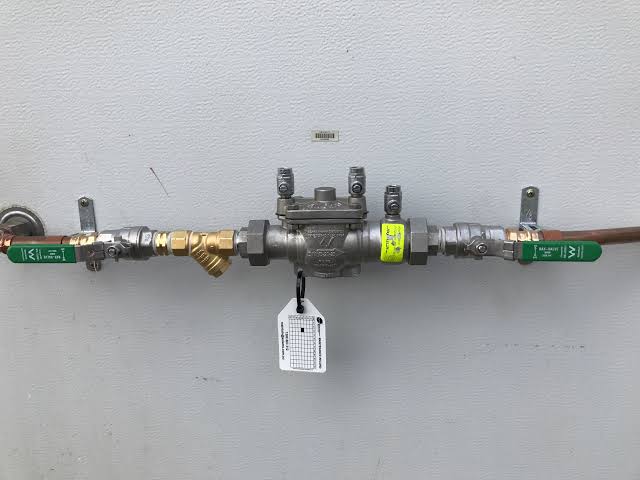
The California Department of Public Health cross-connection control program sets the baseline, and LADWP enforces local compliance. Under these rules, you are required to install a testable backflow prevention assembly if your property has a cross-connection hazard. That includes almost any property with an outdoor water source.
The type of device required depends on the hazard level:
| Hazard Level | Common Property Type | Required Device |
|---|---|---|
| Low hazard | Single-family home, no irrigation | Double check valve (DCV) |
| Moderate hazard | Home with sprinkler system | Pressure vacuum breaker (PVB) |
| High hazard | Commercial, medical, industrial | Reduced pressure principle (RPZ) assembly |
| Severe hazard | Chemical handling, fire suppression | Air gap or specialized RPZ |
After installation, annual testing by a certified backflow tester is required. You must keep records and submit test reports to LADWP on schedule. If your device fails a test, it must be repaired or replaced immediately. Ignoring this can trigger a water service shutoff.
Installation, Testing, and Repair: What the Process Looks Like
Installing a backflow prevention assembly is not a DIY project. California requires the work to be performed by a licensed plumber, and the device must be tested upon installation by a certified tester registered with your local water authority.
Here is what you can expect during a standard backflow prevention service visit:
- Assessment: A plumber inspects your water lines, identifies cross-connection points, and determines the appropriate device type.
- Permit and approval: Installation typically requires a permit from the city.
- Installation: The device is installed at the point of connection, usually near the water meter.
- Initial test: A certified tester verifies the device is functioning correctly and submits the report to LADWP.
- Annual retesting: Each year, you schedule a retest to maintain compliance.
If a test reveals a failure, common causes include worn seals, sediment buildup, or freeze damage (less common in Los Angeles but not impossible during cold snaps). Repairs should be completed promptly to restore coverage.
Expertise Plumbing & Rooter, based at 8885 Roslyndale Ave, Arleta, CA 91331, handles the full scope of backflow prevention services throughout the Los Angeles area. Their team is available 24 hours a day and can be reached at (888) 807-7069. For property owners who also need related infrastructure work, sewer repair los angeles is another core service they provide alongside backflow work.
Costs and Common Mistakes to Avoid
Backflow prevention costs vary depending on device type, property complexity, and whether existing piping needs modification. An RPZ assembly for a commercial property will cost considerably more than a PVB for a residential irrigation line.
Common mistakes property owners make include:
- Missing annual test deadlines: LADWP sends notices, but missing them still puts you at risk.
- Hiring uncertified testers: The tester must be registered with your water purveyor, not just any plumber.
- Installing the wrong device type: A device rated for low hazard will not protect you in a high-hazard scenario.
- Neglecting repairs: A cracked or corroded assembly offers no protection.
If you are dealing with related underground infrastructure concerns, pipe bursting los angeles services can address deteriorating supply lines that may be contributing to pressure irregularities around your backflow assembly.
For property owners facing any sudden plumbing emergency, having an emergency plumber los angeles available around the clock is essential, especially when a backflow device fails and water service must be protected immediately.
The EPA’s cross-connection control manual is a useful reference if you want to understand the engineering basis behind backflow regulations. For clinical context on waterborne illness risks, the CDC’s waterborne disease resources explain why contamination prevention matters.
Things to Know
- LADWP can shut off your water service if your backflow device fails a test and is not repaired within a required timeframe.
- Not all licensed plumbers are certified backflow testers; those two roles require separate credentials.
- If you rent out property, landlord responsibilities include maintaining backflow compliance on any shared or outdoor water systems.
- Backflow preventers can freeze in unusually cold weather; insulating them protects both function and compliance.
- The Mayo Clinic’s guidance on waterborne illness underscores why contamination prevention in residential water lines is a genuine health priority, not just a regulatory formality.
Schedule Your Backflow Inspection With a Trusted Los Angeles Plumber
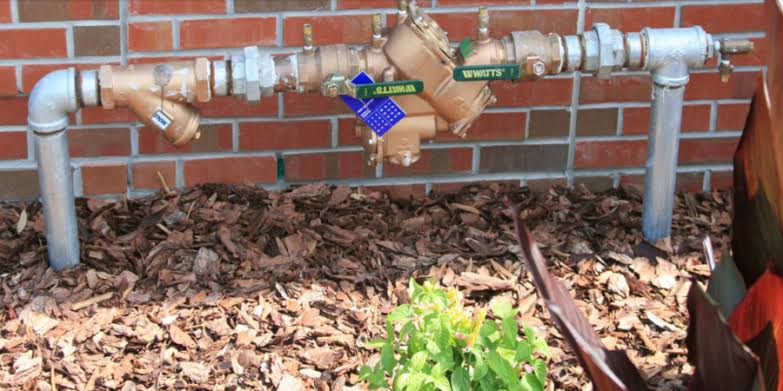
If your property is due for a backflow test or you are unsure whether your existing assembly meets current LADWP standards, do not wait for a notice or a failed inspection. Non-compliance puts your health, your tenants, and your water access at risk.
Expertise Plumbing & Rooter is available 24 hours a day to assess, install, test, and repair backflow prevention assemblies throughout Los Angeles. Call (888) 807-7069 or visit their about us page to learn more about their certifications and service area. You can also browse their website to explore their full range of plumbing solutions before you call.
Frequently Asked Questions
Q: How often does a backflow prevention device need to be tested in Los Angeles?
Most backflow prevention assemblies in Los Angeles must be tested annually by a certified tester.
LADWP requires annual test reports for regulated devices. If you miss the deadline, you risk a compliance notice and potential service interruption. Keep a calendar reminder so you are never caught off guard.
Q: Who is responsible for backflow prevention on a rental property?
The property owner is responsible for maintaining backflow compliance, not the tenant.
Landlords must ensure devices are installed where required, tested annually, and repaired promptly after any failed test. Tenants should notify landlords if they notice water quality issues, but legal responsibility lies with the owner.
Q: What happens if my backflow preventer fails a test?
A failed test means your device is not functioning properly and must be repaired or replaced immediately.
You typically have a short window to complete repairs before LADWP takes enforcement action. A licensed plumber should assess the device and submit a passing retest report to close out the compliance issue.
Q: Do I need a backflow preventer if I have a home sprinkler system?
Yes, any property with an irrigation or sprinkler system connected to the municipal supply requires a backflow prevention assembly in Los Angeles.
Irrigation lines are one of the most common cross-connection points because they come into contact with soil, fertilizers, and pesticides. A pressure vacuum breaker is typically the minimum required device for residential irrigation use.
Q: Can I install a backflow preventer myself to save money?
No, California law requires a licensed plumber to install backflow prevention assemblies, and the device must be tested by a certified professional upon installation.
DIY installation will not satisfy LADWP compliance requirements and could leave you liable if a contamination event occurs. Professional installation ensures the correct device is used and properly tested from day one.
The Bottom Line on Backflow Prevention in Los Angeles
Backflow prevention in Los Angeles is not optional and not complicated when you work with the right professionals. Your obligations depend on your property type, water use, and connection to the municipal supply, but nearly every property with an outdoor water source needs a compliant assembly in place.
Take action now by confirming your device type, checking your last test date, and scheduling service with a licensed plumber who knows the LADWP compliance process inside and out. Call Expertise Plumbing & Rooter at (888) 807-7069 to set up your assessment today.