
A running toilet is almost always caused by one of three components: a worn flapper, a misadjusted float, or a faulty fill valve. Most of these problems are straightforward to diagnose at home and can be fixed in under an hour with basic tools.
Key Takeaways
- The flapper is the most common culprit behind a constantly running toilet, and replacement flappers typically cost under $10 at any hardware store.
- A toilet that runs intermittently (phantom flushing) usually signals a slow leak past a damaged flapper seal.
- Float height controls how much water fills the tank; setting it too high causes overflow into the overflow tube.
- Ignoring a running toilet can waste hundreds of gallons of water per day, significantly raising your monthly water bill.
- When multiple components fail at once, or the toilet is aging, a full professional repair may be more cost-effective than piecemeal fixes.
A running toilet is one of the most common household plumbing complaints in the United States. It is also one of the most wasteful. According to the U.S. Environmental Protection Agency, a single leaking toilet can waste up to 200 gallons of water per day. That adds up fast on your utility bill and creates unnecessary strain on municipal water systems.
What Is Actually Happening Inside Your Toilet Tank
Before you can fix the problem, it helps to understand what your toilet tank does. When you flush, the flapper lifts and releases water from the tank into the bowl. As the tank empties, the float drops and signals the fill valve to refill the tank. Once the water level reaches the set height, the float rises and shuts off the fill valve.
When any part of this sequence breaks down, water keeps flowing. The toilet does not know to stop. The sound you hear — that constant trickle or hiss — is water escaping either into the bowl or down the overflow tube.
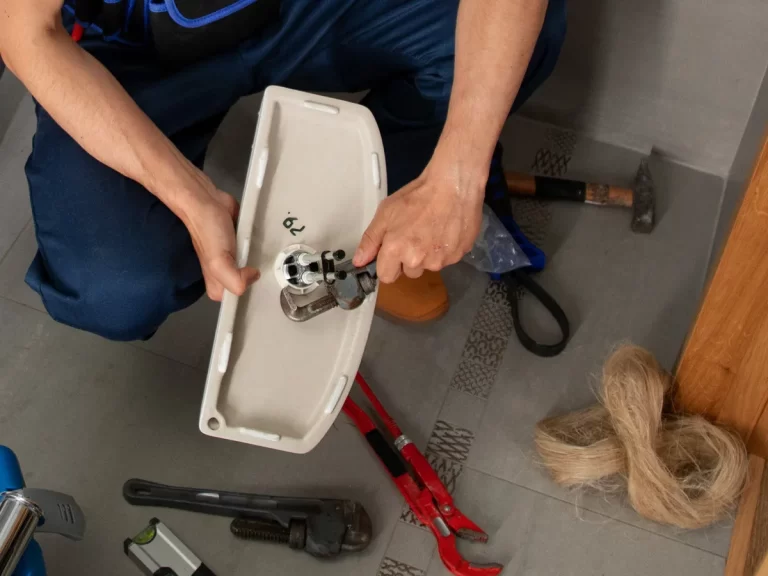
The Most Common Running Toilet Causes and Fixes
Worn or Warped Flapper
The flapper is a rubber seal at the bottom of the tank. Over time, it degrades, warps, or accumulates mineral buildup, and it no longer seats properly against the flush valve seat. Water slowly leaks into the bowl, and the fill valve continuously refills the tank to compensate.
How to test it: Put a few drops of food coloring into the tank. Wait 10-15 minutes without flushing. If color appears in the bowl, your flapper is leaking.
How to fix it: Turn off the water supply valve behind the toilet, flush to empty the tank, unhook the old flapper from the overflow tube ears, and snap on a new one. Match the flapper to your toilet brand; a universal flapper works in most cases but always check compatibility. The Mayo Clinic’s general guidance on water sanitation aside, the practical fix here is mechanical, not chemical.
Float Set Too High
The float controls the water level inside the tank. If it is adjusted too high, water rises above the overflow tube and drains continuously into the bowl. You will often hear a constant trickle even when the tank appears full.
How to fix it: Look for the water fill line marked inside your tank. The water level should sit about one inch below the top of the overflow tube. On a ball-float system, bend the float arm slightly downward. On a cup-float system, pinch the clip and slide it down the fill valve shaft. Test by flushing and observing where the water stops.
Faulty Fill Valve
The fill valve (also called a ballcock on older toilets) is what refills the tank after each flush. When it wears out internally, it may not shut off completely. You will hear a persistent hiss even after the tank is full.
How to fix it: Fill valve replacement kits are available at hardware stores for roughly $10-$20. Shut off the water supply, flush the tank, disconnect the supply line, unscrew the locknut under the tank, and pull out the old valve. Install the new one per the manufacturer’s instructions and adjust the height before reconnecting.
If you are unsure which part to replace, a professional toilet repair los angeles service can diagnose and fix the issue quickly, especially for older or non-standard toilet models.
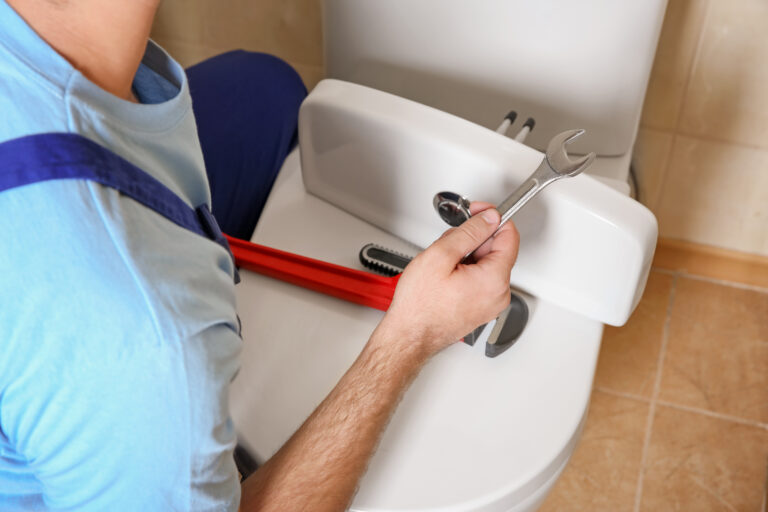
Broken Flush Handle or Chain
Sometimes the chain connecting the flush handle to the flapper is too short or tangled. This holds the flapper slightly open and lets water trickle through constantly. Other times the handle sticks in the down position after flushing.
How to fix it: Open the tank and inspect the chain. It should have about half an inch of slack. If it is too short, reattach it to a lower hole on the handle arm. If the handle sticks, tighten or replace the handle nut inside the tank (note: it is reverse-threaded on many toilets, so turn clockwise to loosen).
Cracked Overflow Tube
If the overflow tube itself is cracked or sits at the wrong height, water may drain into it before the tank reaches a proper fill level. This is less common but happens in older toilets.
How to fix it: The overflow tube is part of the flush valve assembly. Replacing it usually means replacing the entire flush valve, which is a moderate DIY task. If you are not comfortable with it, calling a plumber is the smarter move.
Things to Know
- Phantom flushing (the toilet runs briefly every hour or so without being used) almost always points to a leaking flapper, not a pressure problem.
- Hard water in parts of California and the Southwest accelerates mineral buildup on flapper seats, causing premature seal failure.
- Never use bleach tablets in the tank long-term. They degrade rubber flappers quickly and create more running toilet problems over time.
- If your toilet is more than 15-20 years old, replacing the entire flush mechanism as a unit is often more reliable than fixing individual parts.
- A running toilet can be a symptom of broader plumbing pressure issues, and professional services like hydro jetting los angeles or a drain cleaning service los angeles can rule out blockages affecting your whole system.
| Problem | Likely Cause | DIY Fix | Avg. Part Cost |
|---|---|---|---|
| Constant trickle | Worn flapper | Replace flapper | $5-$12 |
| Hissing after fill | Failed fill valve | Replace fill valve | $10-$20 |
| Water over overflow tube | Float set too high | Adjust float height | $0 |
| Phantom flushing | Slow flapper leak | Food coloring test, replace flapper | $5-$12 |
| Persistent running post-fix | Cracked flush valve | Replace flush valve assembly | $15-$30 |
For significant line issues discovered during diagnosis, pipe bursting los angeles is one option for upgrading older infrastructure without full excavation.
The EPA’s WaterSense program offers additional resources on leak detection and water conservation at home.
For more professional guidance and local plumbing resources, you can visit to learn about available services in your area.
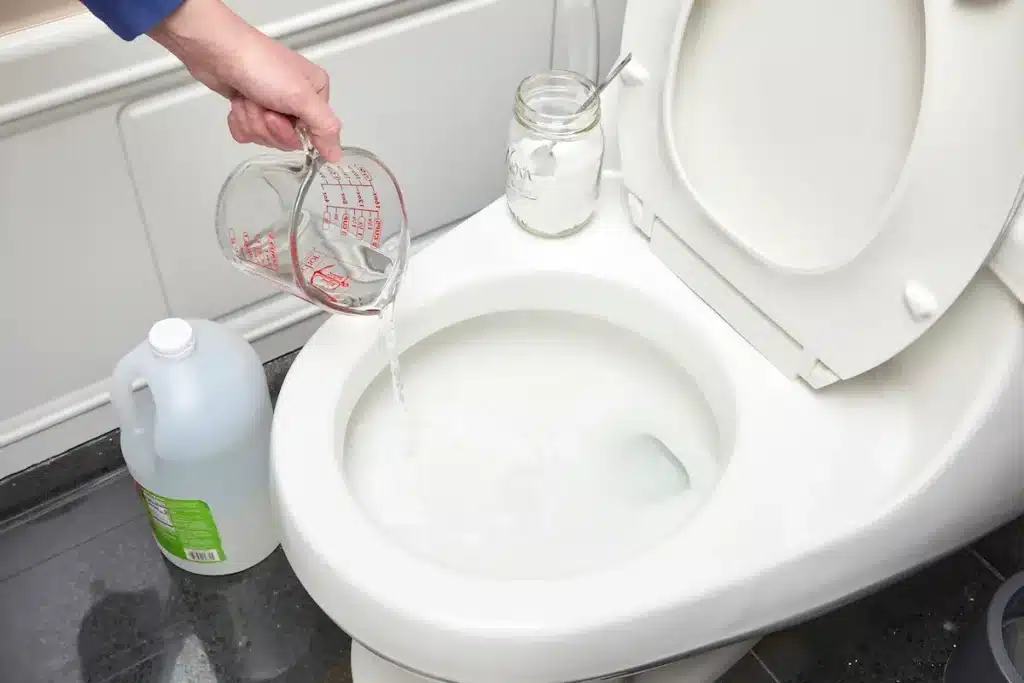
Stop Wasting Water and Money on a Broken Toilet
If your toilet has been running for days or your DIY fix did not hold, it is time to call a professional before the water waste compounds further. Expertise Plumbing & Rooter, located at 8885 Roslyndale Ave in Arleta, CA 91331, provides expert toilet repair and full plumbing diagnostics across the Los Angeles area, 24 hours a day. Call (888) 807-7069 right now to schedule a same-day inspection and get the fix done correctly the first time.
Frequently Asked Questions
Q: Why does my toilet keep running even after I jiggle the handle?
Jiggling the handle temporarily reseats a flapper that is not properly sealing, but it does not fix the underlying problem.
If jiggling provides temporary relief, your flapper is worn and no longer creating a tight seal on its own. Replacing the flapper is a permanent fix that costs under $10 and takes about 10 minutes.
Q: Can a running toilet increase my water bill significantly?
Yes. A running toilet can waste over 100 gallons per day depending on the severity of the leak, which shows up clearly on your monthly bill.
Even a slow phantom flush running several times per hour adds up to thousands of gallons monthly. Fixing it promptly is one of the most cost-effective home maintenance steps you can take.
Q: Is it safe to keep using a toilet that is running?
The toilet is generally safe to use, but the continuous water waste makes it expensive and environmentally irresponsible to ignore.
There is no health risk from a running toilet, but delayed repairs allow rubber components to degrade further. What starts as a $10 flapper fix can become a full flush valve replacement if left alone.
Q: How do I know if it is the flapper or the fill valve causing the running?
Perform a dye test first: if color enters the bowl without flushing, the flapper is the problem. If the tank hisses after it is full, suspect the fill valve.
You can also listen carefully. A bubbling or trickling sound from the bowl suggests flapper failure, while a hissing sound from the top of the tank usually points to the fill valve.
Q: Should I fix a running toilet myself or call a plumber?
Most running toilet repairs are DIY-friendly if the issue is a flapper, float, or chain. Call a plumber if the flush valve assembly is cracked or if repairs keep failing.
Older toilets with non-standard parts or chronic issues after multiple fixes are best handled by a licensed plumber who can assess whether replacement makes more financial sense than repeated repairs.
The Bottom Line on Running Toilet Causes and Fixes
Running toilet causes and fixes are well within reach for most homeowners. A worn flapper, a high float, or a failing fill valve covers the vast majority of cases, and parts are cheap and widely available. The key is diagnosing correctly before buying parts.
If you have worked through the DIY steps and the toilet keeps running, or if you simply want the job done right the first time, contact Expertise Plumbing & Rooter at (888) 807-7069. Their team is available around the clock across Los Angeles and surrounding communities.