
Water leaks are one of the most common and costly home issues in the United States, with the EPA estimating that household leaks waste nearly 1 trillion gallons of water annually. Knowing how to find a water leak in house settings early can save you thousands of dollars in repairs and prevent serious structural damage.
Key Takeaways
- A sudden spike in your water bill is often the first sign of a hidden leak.
- You can use your water meter to confirm whether a leak is actively occurring before calling a plumber.
- Not all leaks are visible — many hide inside walls, under slabs, or beneath flooring.
- Slab leaks are particularly destructive and require professional detection equipment.
- Catching a leak early reduces repair costs significantly and protects your home’s foundation.
- A licensed plumber with leak detection tools can locate leaks without unnecessary demolition.
What Your Water Bill Is Trying to Tell You
One of the clearest early warnings of a hidden leak is an unexplained jump in your monthly water bill. If your usage habits haven’t changed but your bill climbed by $30 or more in a single month, that gap deserves attention.
According to the U.S. Geological Survey’s water use data, the average American household uses about 80-100 gallons of water per person per day. If your bill suggests usage well above that baseline without explanation, a leak is likely the culprit.
Start by pulling your last three months of bills and looking for a pattern. A slow, steady increase points to a gradual leak, like a dripping supply line inside a wall. A sudden spike might mean a pipe has failed or a toilet seal has given out entirely.

How to Use Your Water Meter to Detect a Leak
Your water meter is one of the most reliable free tools you have for confirming a leak. Here’s how to run a simple meter test at home:
- Turn off all water-using appliances and fixtures in your house, including ice makers and irrigation systems.
- Locate your water meter, usually near the curb or sidewalk in a covered box.
- Write down the current meter reading or take a photo.
- Do not use any water for at least two hours, preferably overnight.
- Check the meter again. If the numbers changed, you have an active leak somewhere in your system.
Many modern meters also include a low-flow indicator, a small triangle or dial that spins when even tiny amounts of water are moving. If that indicator is spinning while all fixtures are off, that’s a strong confirmation.
Common Places Leaks Hide Inside Your Home
Once you’ve confirmed a leak, the next step is narrowing down the location. Leaks can develop in predictable spots, and checking each one systematically saves time.
Toilets: A running toilet can waste up to 200 gallons per day, according to Water.org’s household water data. Add a few drops of food coloring to the tank and wait 15 minutes without flushing. If color appears in the bowl, the flapper seal is leaking.
Under sinks: Check cabinet floors beneath bathroom and kitchen sinks for water stains, soft spots, or mold. Even a slow drip from a supply line connection will leave evidence over time.
Water heater: Look for pooling water or rust streaks around the base. A failing pressure relief valve is a common source of leaks in water heaters over 8 years old.
Walls and ceilings: Discoloration, bubbling paint, or soft drywall can all indicate a pipe leaking behind the surface. Mayo Clinic’s guidance on mold and health notes that moisture inside walls accelerates mold growth, which creates its own health risks beyond the structural damage.
Irrigation and outdoor lines: Walk your yard after a dry spell and look for unusually green patches or soggy ground. These can point to a broken underground irrigation line.
Slab Leaks: The Leak You Cannot See or Hear
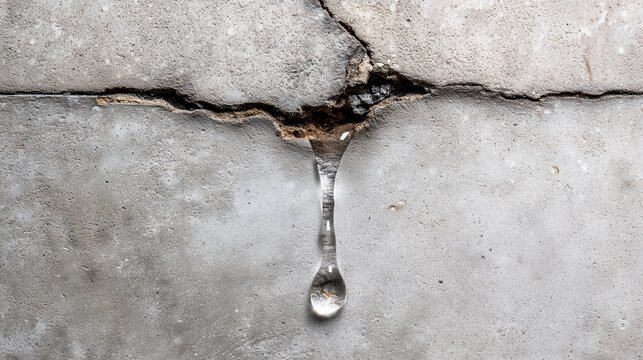
Slab leaks are particularly serious because they occur beneath the concrete foundation of your home. They’re common in Southern California due to the region’s soil movement and older copper pipe infrastructure. If you notice warm spots on your floor, the sound of running water when all fixtures are off, or visible cracks forming in your walls or flooring, those are warning signs worth taking seriously. You can read more about the signs of a slab leak to understand exactly what to look for before the damage spreads.
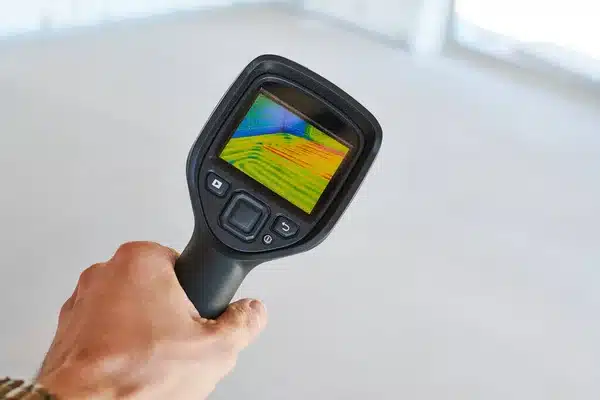
Slab leak detection requires equipment like electronic listening devices, infrared cameras, and pressure testing tools. Attempting to locate one without professional help often leads to unnecessary cutting or jackhammering. For a detailed breakdown of what the process involves and what it costs, this resource on slab leak repair in los angeles costs detection and repair methods explained covers it thoroughly.
Things to Know
- Water damage is the second most common homeowner insurance claim in the U.S., according to the Insurance Information Institute.
- Not every leak shows up as visible water. A slow leak inside a wall can go undetected for months while causing rot and mold.
- Turning off the main shut-off valve is the first thing to do if you suspect a major pipe failure.
- High water pressure above 80 psi can accelerate wear on fittings and contribute to leaks over time.
- If you live in an older home with galvanized or polybutylene pipes, leaks are more likely and harder to predict.
Comparing DIY Detection vs. Professional Leak Detection
| Method | Best For | Cost | Limitations |
|---|---|---|---|
| Water meter test | Confirming a leak exists | Free | Won’t tell you the location |
| Food coloring test | Toilet leaks | Free | Toilets only |
| Visual inspection | Exposed pipes, under sinks | Free | Misses hidden leaks |
| Infrared camera scan | Walls, ceilings, floors | $200-$500 | Requires a licensed technician |
| Electronic listening device | Slab and underground leaks | $300-$600 | Requires professional equipment |
| Pressure testing | Whole-system diagnosis | $150-$400 | Needs professional interpretation |
Ready to Stop a Leak Before It Destroys Your Home?
If your meter test confirmed a leak and your visual inspection turned up nothing obvious, it’s time to bring in a licensed plumber. Expertise Plumbing & Rooter, based at 8885 Roslyndale Ave, Arleta, CA 91331, provides 24-hour service across Los Angeles and specializes in locating leaks that homeowners simply cannot find on their own. Call them directly at (888) 807-7069 to schedule an inspection. Their team uses professional-grade detection equipment so you’re not paying for guesswork. Learn more about their team and approach on their about us page.
For full-service repair after detection, their water leak repair los angeles service covers everything from pipe patches to full line replacements, and their water leak detection los angeles specialists use non-invasive methods to pinpoint problems fast.

Frequently Asked Questions
Q: How do I know if I have a water leak in my house without visible water?
Run the water meter test with all fixtures off — if the numbers move, you have a leak.
Check for secondary signs like a higher water bill, the sound of running water in walls, musty smells, or warm spots on the floor. These often appear before any visible moisture does.
Q: Can a leaking pipe inside a wall fix itself?
No. Pipe leaks do not seal on their own and will worsen over time.
Even a pinhole leak under constant pressure will gradually erode the surrounding material. Ignoring it increases the risk of mold, rot, and eventual pipe failure.
Q: How much does it cost to find a water leak professionally in Los Angeles?
Professional leak detection in Los Angeles typically runs between $150 and $600 depending on the method and location.
Slab leak detection at the higher end requires specialized equipment. Some plumbing companies apply the detection fee toward the repair cost if you hire them for both.
Q: Is a slow drip really worth fixing right away?
Yes — a faucet dripping once per second wastes over 3,000 gallons of water per year.
Beyond the water waste, continuous moisture around fixtures accelerates rust, mold, and wood rot. A $10 washer replacement now prevents a $500 cabinet repair later.
If you have a specific commercial plumbing need not listed here, please call us to discuss your requirements.
Q: What should I do immediately if I find a major leak?
Turn off the main water shut-off valve right away to stop the flow.
Then call a licensed plumber as quickly as possible. In the meantime, move valuables away from the affected area and document the damage with photos for your insurance claim.
The Bottom Line on How to Find a Water Leak in House Settings
The process of how to find a water leak in house environments starts with your water bill, moves through a meter test, and then works through a systematic inspection of the most common failure points. DIY methods work well for surface-level leaks, but anything inside walls, under slabs, or underground requires professional tools and training.
If you’re in the Los Angeles area, don’t wait until a small leak becomes a foundation problem. Contact Expertise Plumbing & Rooter at (888) 807-7069 any time of day or night and get a professional set of eyes on the problem before the damage compounds.