
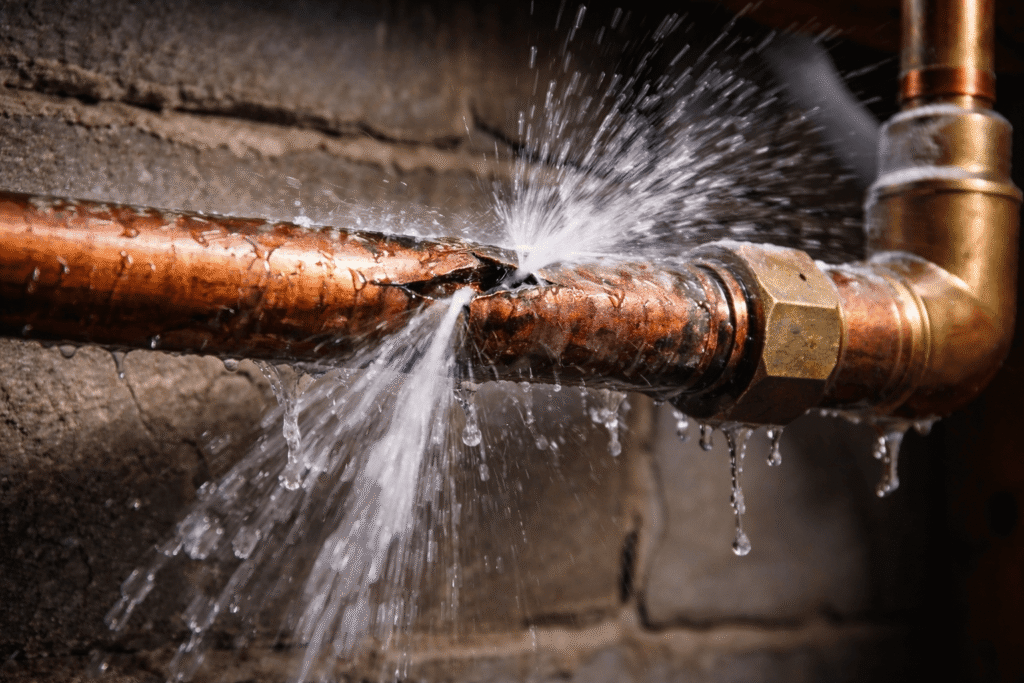
Slab leaks happen when water pipes running beneath your home’s concrete foundation crack, corrode, or burst, allowing water to seep into the slab itself. Recognizing the signs of a slab leak early can be the difference between a straightforward repair and a five-figure restoration project.
Key Takeaways
- A sudden spike in your water bill without a change in usage is one of the earliest and most reliable warning signs of a slab leak.
- Hot spots on your floor, damp carpet, and the sound of running water with all fixtures off are physical indicators that demand immediate attention.
- Slab leaks can compromise your home’s structural integrity if left unaddressed, leading to foundation shifts and mold growth.
- Older homes in the San Fernando Valley and greater Los Angeles area are especially vulnerable due to aging copper and galvanized pipe systems.
- The longer a slab leak goes undetected, the more expensive the repair becomes, making early detection your best financial protection.
- Calling a licensed plumber at the first sign of trouble is far less costly than waiting until visible damage surfaces.
Why Slab Leaks Are So Dangerous and Easy to Miss
Slab leaks are uniquely deceptive. Unlike a burst pipe under your sink or a dripping faucet, the damage happens entirely out of sight, buried beneath several inches of concrete. By the time water works its way up through the slab and into your living space, the leak may have been active for weeks or even months.
The real danger is structural. Water that saturates the soil beneath your foundation causes it to shift and settle unevenly. Over time, this leads to cracks in your walls and floors, warped door frames, and in serious cases, major foundation displacement. Mold is another serious threat. Persistent moisture beneath and inside your home creates ideal conditions for mold growth, which poses real health risks to your household.
In the Los Angeles area, older homes built in the 1950s through 1980s are especially at risk. Many of these properties still have their original copper or galvanized steel pipes running under the slab, and issues with water leak repair los angeles services become critical when decades of soil movement, seismic activity, and chemical reactions with the water supply cause these pipes to weaken and eventually fail. If your home falls into this category and you haven’t had your plumbing inspected recently, it’s worth scheduling an assessment before a problem develops.

The Physical Signs of a Slab Leak Inside Your Home
Knowing what to look for puts you in control. Here are the most common physical warning signs that something may be happening beneath your foundation:
Unexplained hot spots on the floor If you walk across your hardwood, tile, or laminate floor and notice one area feels noticeably warmer than the rest, this is a classic indicator of a hot water line leak beneath the slab. The warm water escaping from the pipe heats the concrete directly above it.
Damp or wet flooring without an obvious source Carpeting that feels consistently moist, or tile that shows water around the grout lines without any recent spills or cleaning, points toward moisture migrating upward through the concrete. If you’ve ruled out a leaking appliance or condensation, the problem is likely below.
The sound of running water when everything is off Stand in a quiet room, turn off all appliances and fixtures, and listen. A faint hissing or running water sound that persists is a strong indicator of an active leak somewhere in your plumbing system, and if it’s not coming from the walls or ceiling, the slab is the next place to investigate.
Cracks in your walls or flooring Slab leaks cause the ground beneath your foundation to shift. When the foundation moves unevenly, stress cracks appear in your drywall, tile, or concrete flooring. New cracks appearing without a clear cause deserve professional attention, particularly if they’re accompanied by other signs on this list.
Mold or mildew odor If your home has a musty smell concentrated near the floor, especially in areas without visible moisture sources, this can indicate water accumulating below your living space. Mold can establish itself within 24 to 48 hours of consistent moisture exposure.
Baseboards that are warped or discolored Baseboards sit at floor level and absorb moisture that travels up through the slab. Warping, bubbling paint, or dark staining near your baseboards is worth investigating as a potential sign of prolonged moisture exposure from below.
Utility and Meter-Based Warning Signs
Sometimes the most telling signs of a slab leak don’t show up in your home at all. They show up on your water bill.
A spike in your monthly water bill If your household routines haven’t changed but your water bill has jumped by $30, $50, or more in a single month, water is going somewhere it shouldn’t. A slab leak can waste hundreds of gallons per day depending on the severity, and that waste shows up directly in your utility costs.
Your water meter keeps moving when all fixtures are off This is one of the most reliable DIY checks you can perform. Shut off every faucet, appliance, and irrigation system in your home. Go to your water meter and watch the dial or digital display. If it continues to move, water is actively leaking somewhere in your plumbing system. Combine this with no visible leaks inside your home and you have a strong case for a slab leak.
Low water pressure throughout the home A significant reduction in water pressure across multiple fixtures, not just one, suggests that water is escaping the system before it reaches your taps. While low pressure has other possible causes, in combination with other signs listed here, it adds weight to the diagnosis.
If you suspect a leak is already underway, reaching out to a professional for water leak repair los angeles is the right next step to contain the damage and get an accurate assessment.

Things to Know
- Slab leaks on hot water lines are detected faster because the escaping water heats the floor above, creating a noticeable warm spot.
- Cold water line slab leaks are harder to catch because there’s no temperature clue, and issues like those handled by drain cleaning service los angeles services often go unnoticed longer, causing more damage.
- A slab leak is not always caused by old pipes. Poor installation, high water pressure, and soil corrosion can cause failures in relatively new systems.
- Earthquake activity in the Los Angeles area is a documented factor in slab leak frequency, as seismic shifts stress pipes running beneath the foundation.
- Homeowners insurance policies vary significantly in slab leak coverage. Some policies cover only the water damage, not the cost of accessing the pipe through the concrete.
- Getting multiple estimates is smart, but don’t delay beyond a day or two once you suspect a slab leak. Every hour of inaction adds to potential structural and mold damage.
Ready to Stop a Slab Leak From Destroying Your Foundation?
If you’ve noticed any of the warning signs described above, your next step is clear: contact Expertise Plumbing and Rooter at (888) 807-7069 today. Don’t wait for water stains to spread, cracks to widen, or your water bill to climb further before you act. Schedule a professional leak detection inspection and know exactly what’s happening beneath your floor before the situation escalates.
Contact Us!
888-807-7069

What Happens During a Professional Slab Leak Inspection
When you call a licensed plumber about a suspected slab leak, the diagnostic process involves more than just visual inspection. Experienced plumbers use specialized tools to pinpoint the exact location of the leak without tearing up your entire floor.
Electronic leak detection equipment uses acoustic sensors to listen for the sound signature of water escaping under pressure. Ground microphones and thermal imaging cameras can identify heat patterns and moisture concentrations through the concrete. This allows a skilled plumber to mark the leak location precisely, minimizing the amount of concrete that needs to be opened.
Depending on what the inspection reveals, repair options typically include:
- Spot repair: Opening the concrete directly above the leak, cutting out the damaged section of pipe, and replacing it. Best for isolated leaks in accessible locations.
- Pipe rerouting: Running a new pipe through the walls or ceiling to bypass the damaged underground section entirely. This avoids breaking concrete but requires more installation work.
- Pipe lining: Inserting an epoxy liner inside the existing pipe to seal the leak from the inside. Works well for certain pipe sizes and materials.
- Full repipe: Replacing the entire plumbing system beneath and within the home. Necessary when pipes are extensively corroded or when multiple leaks are present.
If the damage is widespread, you may want to look into repiping services los angeles as a long-term solution that eliminates the risk of future slab leaks altogether. For cases where damaged underground pipes need to be replaced without major excavation, pipe bursting los angeles is a minimally invasive method worth asking about.
And while a slab leak is the primary concern, it’s worth noting that debris buildup in drain lines can add pressure and stress to your system over time, so scheduling a drain cleaning service los angeles as part of routine maintenance helps keep the entire plumbing system functioning properly.
Frequently Asked Questions
Q: How do I know if I have a slab leak and not a different type of plumbing problem?
The most reliable way to distinguish a slab leak is to combine multiple indicators: warm floor spots, a moving water meter with fixtures off, and no visible leaks inside walls or ceilings.
A licensed plumber can confirm the diagnosis using acoustic leak detection and thermal imaging. These tools remove the guesswork and pinpoint the leak’s location without unnecessary demolition. If your meter is moving and no other source is found, a slab leak is the likely culprit.
Q: How much does it cost to repair a slab leak in Los Angeles?
Repair costs in Los Angeles typically range from $500 to $4,000 or more depending on the leak’s location, the method of repair, and the extent of concrete removal required.
Spot repairs are generally less expensive, while full reroutes or repipes carry higher costs. Your homeowners insurance policy may cover a portion of the damage-related repairs, though the cost of accessing the pipe through concrete is often excluded. Always get a written estimate before work begins.
Q: Can a slab leak fix itself over time?
No. A slab leak will not resolve on its own and will consistently worsen over time as water pressure continues to escape through the damaged section of pipe.
The longer the leak remains active, the more saturated the surrounding soil becomes, increasing the risk of foundation movement and mold growth. Ignoring a slab leak in hopes it stabilizes is one of the most costly mistakes a homeowner can make.
Q: How long does a slab leak repair take?
A straightforward spot repair can be completed in one day, while a full pipe reroute or repipe may take two to four days depending on the home’s size and complexity.
The detection phase typically takes one to two hours using professional equipment. Concrete cutting and drying time add to the overall timeline, but an experienced plumber will give you a realistic schedule before work begins.
Q: Are older homes in the San Fernando Valley more prone to slab leaks?
Yes. Homes built before 1985 in the San Fernando Valley often still have original copper or galvanized steel pipes, which are significantly more prone to corrosion and failure after decades of use.
Soil movement from seismic activity, combined with the chemical composition of the local water supply, accelerates pipe degradation in these older systems. If your home was built before 1985 and hasn’t had a plumbing inspection recently, proactive evaluation is a smart investment.
How Expertise Plumbing and Rooter Handles Slab Leaks in Los Angeles
Expertise Plumbing and Rooter has been serving homeowners in the San Fernando Valley and greater Los Angeles area since 1997. Founded by JC Garcia, a licensed master plumber with 29 years in the trade and CSLB License #1104324, the company brings deep experience to slab leak detection and repair.
Master plumber Carlos Aguilar, who brings 21 years of hands-on experience to every job, is bilingual in English and Spanish, making communication seamless for a wider range of homeowners throughout communities like Sylmar, Van Nuys, Northridge, Arleta, Glendale, and Burbank.
The team is fully licensed, bonded, and insured, and they handle everything from initial leak detection through final repair or repipe. If you’re dealing with a situation that can’t wait, contacting an emergency plumber los angeles gives you access to urgent response when water is actively threatening your home’s structure.
The Bottom Line on Signs of a Slab Leak
The signs of a slab leak are there if you know what to look for: unexplained warm spots on your floor, a water bill that keeps climbing, the faint sound of running water in a silent house, and cracks appearing in walls and flooring without explanation. None of these signs should be brushed off.
Expertise Plumbing and Rooter has helped Los Angeles homeowners protect their foundations and their budgets since 1997. Call (888) 807-7069 or visit expertiseplumbing.com to schedule your leak detection inspection. The sooner you know what’s happening below your floor, the sooner you can stop it.