
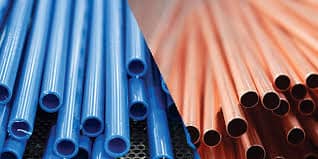
When comparing drain pipe materials plastic vs metal, plastic pipes are generally better for most modern residential installations due to their lower cost, corrosion resistance, and ease of installation. Metal pipes, however, remain the preferred choice in high-heat environments, commercial settings, and older homes where compatibility with existing systems matters.
Key Takeaways
- PVC and ABS plastic pipes dominate modern residential drain systems because they are affordable, lightweight, and resistant to corrosion.
- Cast iron and galvanized steel remain relevant for commercial buildings, high-heat applications, and noise-sensitive environments.
- Plastic pipes typically cost 30-50% less than comparable metal options when factoring in both materials and labor.
- The “right” material depends on your pipe’s location, your local building codes, and whether you are replacing an existing system or starting fresh.
- Mixing plastic and metal in one system is possible but requires the correct fittings to prevent leaks and code violations.
- A licensed plumber should evaluate your specific situation before you commit to any drain pipe material.
Why the Material You Choose for Drain Pipes Actually Matters
Most homeowners don’t think much about what their drain pipes are made of until something goes wrong. That is a mistake. The material running inside your walls and beneath your floors affects how long your system lasts, how much it costs to maintain, how much noise it makes, and whether it will pass a local inspection.
In Los Angeles, for instance, older homes in areas like Arleta, Van Nuys, and Reseda often have a mix of cast iron and galvanized steel from the mid-20th century. These systems are reaching the end of their lifespan, and homeowners are frequently deciding whether to replace them with the same metal or switch to modern plastic. Getting that decision right saves thousands of dollars over the long term.
According to the Environmental Protection Agency’s WaterSense program, plumbing system efficiency starts with properly maintained infrastructure, which includes the pipes themselves at.
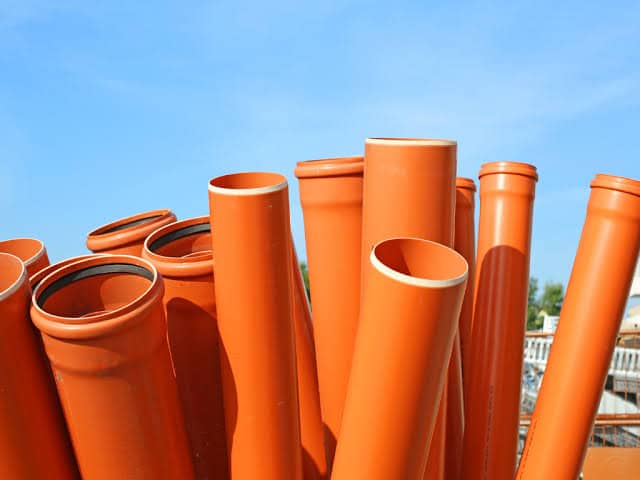
Plastic Drain Pipes: What You Get and Where They Fall Short
Plastic has become the standard for residential drain systems across the United States. The two most common types are PVC (polyvinyl chloride) and ABS (acrylonitrile butadiene styrene).
PVC is white or cream-colored, widely available, and approved by most building codes nationwide. It handles temperatures up to about 140°F and resists most household chemicals. ABS is black, slightly more impact-resistant, and preferred in some western states including California, though local codes vary.
Advantages of plastic drain pipes:
- Lower material cost (PVC pipe runs roughly $0.50-$5.00 per linear foot depending on diameter)
- Lightweight and fast to install, reducing labor costs significantly
- Smooth interior surface resists buildup and keeps water flowing freely
- Will not corrode, rust, or react with most household drain chemicals
- Easier to cut and modify during repairs
Drawbacks of plastic:
- More noise during water flow compared to cast iron
- Can warp or soften near continuous high-heat sources
- UV exposure degrades plastic over time if used in exposed outdoor areas
- Shorter lifespan than cast iron in some heavy-use commercial settings
If you are dealing with recurring clogs or slow drains in a home with plastic pipes, the issue is often buildup rather than pipe failure, and a professional drain cleaning service los angeles can clear the line without damaging the pipe walls.
Metal Drain Pipes: Where They Still Win
Metal drain pipes, primarily cast iron and galvanized steel, were the backbone of American plumbing from the early 1900s through the 1970s. They are heavier, more expensive, and harder to install, but they bring real advantages in specific scenarios.
Cast iron is exceptionally durable, with a lifespan of 75-100 years under normal conditions according to plumbing research cited by the University of Illinois. It significantly dampens sound, which matters in multi-story buildings, hotels, and apartments where drain noise travels between floors. Galvanized steel was common in older homes but is now largely phased out because it corrodes from the inside over time, restricting flow and eventually leaking.
Advantages of metal drain pipes:
- Cast iron can last generations with minimal maintenance
- Superior noise dampening in multi-story or attached buildings
- Handles high heat without warping
- Heavy wall construction resists physical damage
Drawbacks of metal:
- Significantly higher material and installation costs
- Cast iron is heavy, requiring more labor and structural consideration
- Galvanized steel corrodes internally, restricting water flow over time
- Harder to modify or repair compared to plastic
| Feature | PVC Plastic | ABS Plastic | Cast Iron | Galvanized Steel |
|---|---|---|---|---|
| Avg. Cost per Linear Foot | $0.50-$3 | $1-$4 | $3-$12 | $2-$8 |
| Lifespan (years) | 25-40 | 25-40 | 75-100 | 20-50 |
| Corrosion Resistance | Excellent | Excellent | Moderate | Poor |
| Noise Dampening | Low | Low | High | Medium |
| Installation Difficulty | Easy | Easy | Hard | Moderate |
| Best For | Residential drains | Residential/West US | Commercial, multi-story | Replacement of existing |

How Local Codes and Your Home’s Age Affect the Decision
Building codes in California, enforced by the California Plumbing Code, specify which materials are approved for different applications. Most jurisdictions in Los Angeles County accept both PVC and ABS for residential drain systems, but your local building department has the final say. The California Department of Housing and Community Development oversees many of these standards at the state level.
If you own a home built before 1980, there is a strong chance your drain system uses cast iron or galvanized steel. When that system starts failing, which it will, you face a choice. Replacing the entire system with modern plastic is often more cost-effective over a 20-year horizon than spot-patching aging metal pipes. Full system replacement, also called repiping, involves removing old pipe sections throughout the home and installing new material, and for homeowners in Los Angeles considering this option, exploring repiping services los angeles can clarify what the process involves and what it costs in your area.
According to the Mayo Clinic’s guidance on household environmental health, corroded or deteriorating pipes can affect water quality, which is another reason to address aging metal drain infrastructure promptly.
Things to Know
- Mixing PVC and ABS in the same drain system is not recommended and may violate local codes. If you need to connect the two, use a special transition cement.
- Cast iron pipes can crack rather than leak when they fail, which sometimes makes the failure harder to detect early.
- The noise difference between plastic and cast iron is noticeable: a second-story bathroom draining through plastic pipes into a first-floor ceiling can be clearly audible.
- Plastic pipes expand slightly with temperature changes, so they need support hangers spaced correctly to prevent sagging over time.
- In seismically active areas like Los Angeles, flexible couplings at connections help drain systems absorb movement without cracking.

Ready to Replace or Upgrade Your Drain System?
Contact Expertise Plumbing & Rooter at (888) 807-7069 to schedule a pipe assessment. Their team is available 24 hours a day, seven days a week, serving homeowners across Los Angeles from their location at 8885 Roslyndale Ave, Arleta, CA 91331. You can also browse their full service offerings at to understand what options are available for your specific home. One conversation with a licensed plumber gives you a clear picture of what material suits your system and what a replacement realistically costs.

Frequently Asked Questions
Q: Can I replace cast iron drain pipes with PVC yourself?
Replacing cast iron with PVC is possible as a DIY project for small sections, but most homeowners should hire a licensed plumber for anything beyond minor repairs.
Cast iron is heavy and difficult to cut without the right tools, and improper connections can cause leaks inside walls. In California, permitted plumbing work typically requires a licensed contractor.
Q: How long do PVC drain pipes actually last?
PVC drain pipes typically last between 25 and 40 years under normal residential use conditions.
Factors like water chemistry, temperature fluctuations, and how well the pipes were originally installed all affect actual lifespan. Well-installed PVC in a temperate climate like Southern California often performs toward the higher end of that range.
Q: Is plastic or metal better for second-floor bathroom drains?
Cast iron is technically better for noise control on second-floor drains, but PVC is far more common in modern homes because of its lower cost.
If noise is a serious concern, ask your plumber about wrapping PVC pipes with acoustic insulation as a middle-ground solution that keeps costs reasonable.
Q: What is the most common drain pipe material in Los Angeles homes built after 2000?
ABS plastic is the most common drain pipe material in post-2000 Los Angeles residential construction.
California’s plumbing code and local preferences favored ABS for many years, though PVC is also fully accepted and increasingly common as supply and pricing shifted.
If you have a specific commercial plumbing need not listed here, please call us to discuss your requirements.
Q: Do metal drain pipes affect water quality?
Corroded galvanized steel drain pipes can affect water quality by introducing rust and mineral deposits into the water passing through them.
Cast iron is generally safer in this regard because it corrodes more slowly. If you have old galvanized drain pipes, having them inspected by a plumber is a practical precaution, especially in homes with young children.
The Bottom Line on Drain Pipe Materials Plastic vs Metal
Choosing between drain pipe materials plastic vs metal comes down to your budget, your building type, and the specific demands of each section of your plumbing system. For most homeowners in Los Angeles, ABS or PVC plastic is the practical and cost-effective default. For multi-story buildings, commercial properties, or situations where noise control is critical, cast iron still has a legitimate case.
The key is getting a professional assessment before making any commitment. A licensed plumber can inspect your existing system, identify what materials are already in place, and recommend the most durable and code-compliant solution for your specific home.