
A toilet running constantly silent leak is one of the most expensive plumbing problems you can have because it wastes water invisibly, without any obvious dripping or pooling. In most cases, the culprit is a faulty flapper, worn fill valve, or compromised float mechanism, all of which are diagnosable within minutes using simple household methods.
Key Takeaways
- A silent toilet leak can waste between 30 and 500 gallons of water per day, adding $200 or more to your annual water bill.
- The dye test is the fastest way to confirm a silent leak without any tools or plumbing experience.
- Most silent leaks trace back to three components: the flapper, the fill valve, and the float.
- Ignoring a silent leak long enough can cause toilet base rot, subfloor damage, and mold growth.
- Many silent leaks are DIY-fixable for under $20 in parts, but persistent issues warrant professional inspection.
- Los Angeles homeowners should check for leaks regularly, especially in homes with older toilets installed before 1994.
Why a Silent Toilet Leak Is Worse Than a Visible One
A dripping faucet gets your attention fast. A silent toilet leak? It can run for months without you ever noticing. That is precisely what makes it so damaging, both to your water bill and to the structural integrity of your bathroom.
The U.S. Environmental Protection Agency (EPA) estimates that the average American household wastes about 10,000 gallons of water per year from leaks, and toilets account for the largest share. A single leaking toilet can waste up to 200 gallons per day, roughly equivalent to running a full bathtub four times over.
In Los Angeles, where water rates are among the highest in the country, that kind of waste translates directly into inflated utility bills. The Los Angeles Department of Water and Power charges tiered rates, meaning the more water you use, the higher the per-gallon cost climbs. A toilet running constantly silent leak during Tier 3 billing could cost you an extra $30 to $60 per month.
Beyond the bill, the water that invisibly escapes through your tank doesn’t always stay where you expect. Over time, moisture migrates into grout lines, the toilet base seal, and even the subfloor beneath. The result can be warped flooring, soft wood rot, and mold colonies that require far more than a plumber to fix.
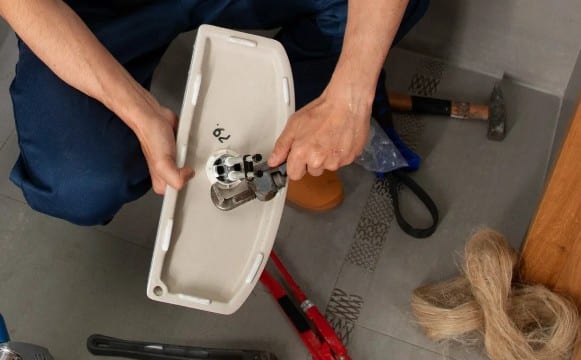
The Three Most Common Causes of a Silent Toilet Leak
Understanding what causes the leak is step one. There are three primary components that fail most often, and each produces a slightly different type of silent leak.
1. A Worn or Warped Flapper
The flapper is the rubber seal at the bottom of the tank that holds water until you flush. Over time, rubber degrades, warps, or accumulates mineral deposits, especially in areas with hard water like Southern California. When the flapper doesn’t seal properly, water trickles continuously from the tank into the bowl, a classic toilet running constantly silent leak scenario.
Signs of a failing flapper include:
- A faint hissing sound when the toilet isn’t in use
- Your toilet randomly “ghost flushing” to refill the tank
- Visible discoloration or cracking on the rubber flapper itself
Replacement flappers cost between $5 and $15 at any hardware store and take about 10 minutes to swap out.
2. A Faulty Fill Valve
The fill valve controls water flow from the supply line into the tank after each flush. If the fill valve seal wears out or the valve itself becomes clogged with sediment, water can continuously trickle in even after the tank is technically full. This excess water then runs directly into the overflow tube and down into the bowl, silently.
You can usually hear this as a very faint, constant hissing. A fill valve replacement kit typically costs $10 to $25.
3. A Misadjusted or Broken Float
The float tells the fill valve when the water has reached the correct level and to stop refilling. If the float is set too high, sits incorrectly, or cracks and fills with water, the tank overfills and water spills continuously into the overflow tube. This is a quiet, constant drain that many homeowners mistake for normal toilet behavior.
According to Mayo Clinic’s guidance on household mold prevention, small, persistent moisture sources are among the leading causes of indoor mold growth. A misadjusted float, seemingly minor, can quietly create the conditions for a serious mold problem over the span of weeks.
How to Diagnose a Silent Toilet Leak in 5 Minutes
You don’t need any tools for the most reliable test. Here’s how to confirm your toilet has a leak:
The Dye Test:
- Remove the toilet tank lid and set it aside safely.
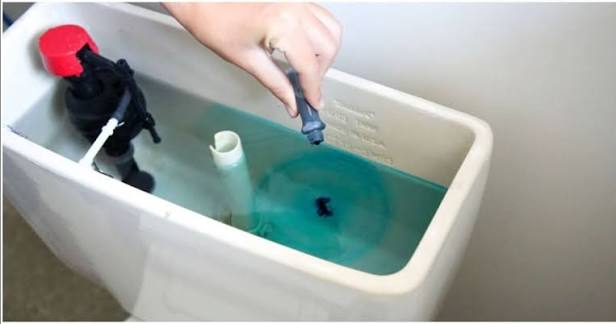
- Add 10 to 15 drops of food coloring (blue or green works best) into the tank water.
- Do NOT flush. Wait 15 to 20 minutes.
- Check the toilet bowl. If color appears in the bowl without flushing, you have a confirmed silent leak.
The Pencil Line Test:
- Shut off the water supply valve behind the toilet.
- Mark the current water level on the inside of the tank with a pencil.
- Wait 20 to 30 minutes without flushing.
- If the water level drops below your pencil line, water is escaping through the flapper.
Both tests are recommended by WaterSense, the EPA’s water-efficiency program, as quick household diagnostics before calling a plumber.
DIY Fixes vs. When You Need a Pro
Most toilet running constantly silent leak issues are solvable without professional help, as long as the problem stays within the tank components. Here is a quick comparison to help you decide which path to take:
Problem DIY Difficulty Avg. Part Cost When to Call a Pro Worn flapper Easy $5-$15 If leak persists after replacement Faulty fill valve Moderate $10-$25 If water pressure issues exist Misadjusted float Easy $0-$10 Rarely needed Cracked tank or bowl Not DIY $100+ Always Damaged toilet base seal Moderate $10-$20 If subfloor damage suspected Supply line failure Easy to Moderate $10-$30 If leak continues at shutoff valve If you’ve replaced the flapper and fill valve and the toilet still runs, the issue may be structural. A cracked tank, a compromised wax ring, or a failing shutoff valve are all situations where DIY approaches can create more problems than they solve. In those cases, reaching out for toilet repair los angeles from a licensed plumber is the right call.
Hidden Consequences You Might Not Expect
A silent toilet leak doesn’t stay contained to the toilet. Here are the downstream effects that catch homeowners off guard.
Subfloor and Structural Damage
Water that seeps from a failing wax ring or cracked base can saturate the subfloor over weeks and months. In Los Angeles homes built before 1970, subfloor materials were often wood-based and highly susceptible to rot. Catching this early with proper water leak repair los angeles can save thousands of dollars compared to a full bathroom floor replacement.
Sewer Line Impact
An overlooked long-term consequence involves your sewer lines. Toilets that run continuously can shift sediment accumulation patterns and stress joints in older clay or cast-iron sewer pipes, particularly in homes built in the mid-20th century. If you start noticing slow drains elsewhere in the house alongside your running toilet, it may be worth scheduling a sewer inspection. Sewer repair los angeles professionals can use camera inspection to assess pipe condition without opening your walls or yard.
Mold and Air Quality
According to CDC guidance on mold in homes, mold can begin growing within 24 to 48 hours of moisture exposure. A toilet that silently leaks at the base for weeks creates persistent humidity that is nearly ideal for mold growth behind baseboards and under flooring.
Things to Know
- Toilets installed before 1994 use 3.5 to 7 gallons per flush compared to the 1.6-gallon standard today. Older toilets are also more prone to silent leaks due to aged parts.
- Mineral buildup from hard water, common in the San Fernando Valley and greater Los Angeles area, accelerates flapper wear significantly.
- Replacing your flapper every two to three years proactively is far cheaper than paying for the water wasted by a failing one.
- Ghost flushing, where the toilet randomly refills on its own, is almost always a sign of a silent leak already in progress.
- Some toilets have dual-flush mechanisms that require specialized flapper replacements. Using a standard flapper on a dual-flush toilet will likely cause immediate leaking.
- The wax ring seal beneath your toilet should be replaced any time a toilet is removed and reinstalled, even if it looks intact.Trenchless and Sewer Considerations for Persistent Plumbing Problems
If your household has multiple plumbing issues occurring at the same time as a running toilet, such as slow drains, gurgling pipes, or sewage odors, the root cause might lie deeper in the system. In Los Angeles, many homes still rely on older sewer lateral lines that are decades past their expected lifespan.
Fortunately, homeowners in the area don’t always need to tear up landscaping or hardscaping to fix these issues. Trenchless sewer repair los angeles uses pipe-lining or pipe-bursting technology to rehabilitate damaged sewer lines from access points at either end, preserving your yard and driveway. This approach is particularly relevant for properties in Arleta, Northridge, Van Nuys, and surrounding neighborhoods in the San Fernando Valley.
The American Society of Civil Engineers consistently rates the United States’ water and sewer infrastructure as below acceptable standards, which means the pipes serving your neighborhood may be contributing to backpressure and drainage issues that affect your home’s internal plumbing.
Trenchless and Sewer Considerations for Persistent Plumbing Problems
If your household has multiple plumbing issues occurring at the same time as a running toilet, such as slow drains, gurgling pipes, or sewage odors, the root cause might lie deeper in the system. In Los Angeles, many homes still rely on older sewer lateral lines that are decades past their expected lifespan.
Fortunately, homeowners in the area don’t always need to tear up landscaping or hardscaping to fix these issues. Trenchless sewer repair los angeles uses pipe-lining or pipe-bursting technology to rehabilitate damaged sewer lines from access points at either end, preserving your yard and driveway. This approach is particularly relevant for properties in Arleta, Northridge, Van Nuys, and surrounding neighborhoods in the San Fernando Valley.
The American Society of Civil Engineers consistently rates the United States’ water and sewer infrastructure as below acceptable standards, which means the pipes serving your neighborhood may be contributing to backpressure and drainage issues that affect your home’s internal plumbing.
Ready to Stop That Silent Drain on Your Wallet?
The single most effective next step you can take right now is the dye test. It takes 20 minutes, costs nothing, and gives you a definitive answer. If food coloring appears in your bowl, start with a flapper replacement. If that doesn’t resolve the issue after 24 hours, the fill valve is your next suspect.
If you’re in the Los Angeles area and the DIY fixes haven’t stopped the leak, or if you’re dealing with a cracked tank, damaged base, or suspect sewer involvement, contact Expertise Plumbing & Rooter at (888) 807-7069. They’re located at 8885 Roslyndale Ave, Arleta, CA 91331, and operate 24 hours a day. For urgent situations where water is actively damaging your property, calling an emergency plumber los angeles immediately is the right decision, not something to put off until morning.
Frequently Asked Questions
Q: How do I know if my toilet is silently leaking and not just refilling normally?
The dye test is the most reliable way to confirm a silent leak: add food coloring to the tank, wait 15 minutes, and check if color appears in the bowl without flushing.
If color transfers to the bowl, water is passing through the flapper or overflow tube continuously. Normal tank refilling only occurs after a flush and stops within about 90 seconds.
Q: Can a silent toilet leak increase my water bill noticeably?
Yes, a toilet running constantly silent leak can add $20 to $70 or more to your monthly water bill depending on the severity and your local water rates.
In Los Angeles, the tiered pricing structure means higher usage is billed at steeper per-gallon rates, so the cost escalates quickly with an undetected continuous leak.
Q: Is it safe to keep using a toilet that has a silent leak?
Using the toilet is generally safe in the short term, but the leak should be repaired as soon as possible to prevent water waste, higher bills, and structural damage.
Extended neglect can lead to subfloor rot, mold growth, and potential damage to sewer connections beneath the toilet.
Q: How often should I replace a toilet flapper to prevent silent leaks?
Most plumbing professionals recommend replacing your toilet flapper every two to three years as a preventive measure, even if no leak is apparent.
In areas with hard water like Los Angeles, mineral deposits can degrade rubber components faster, so annual inspection is advisable.
If you have a specific commercial plumbing need not listed here, please call us to discuss your requirements.
Q: When does a silent toilet leak require a plumber instead of DIY repair?
You should call a licensed plumber when the leak persists after replacing the flapper and fill valve, or when you notice water around the toilet base, soft flooring, or foul odors.
These symptoms indicate deeper issues such as a failed wax ring, cracked porcelain, or compromised sewer connections that require professional tools and expertise to resolve safely.
The Bottom Line on Best Plumber Northridge CA
A silent toilet leak is one of those problems that rewards the homeowner who acts early and punishes the one who waits. The fix is often a $10 part and a few minutes of time. The cost of ignoring it can run into the hundreds of dollars on your water bill, not counting potential floor and mold remediation expenses.
Run the dye test today, check your components methodically, and replace what needs replacing. If you’re in Los Angeles and the problem runs deeper than the tank, Expertise Plumbing & Rooter is reachable around the clock at (888) 807-7069 and serves the entire greater Los Angeles area from their location in Arleta. For additional guidance on NIH resources for indoor air quality and mold prevention, these can help you assess whether a long-running silent leak has already created secondary health concerns in your home.